
Independent domination
Independent candidates and the ruling PTI dominated the provincial elections held for the first time in the seven tribal districts and six Frontier Regions recently merged with Khyber Pakhtunkhwa. Official results show six seats going to independents, five to the PTI, three to the JUI-F and once each to the Awami National Party and Jamaat-e-Islami. One seat in North Waziristan went to a candidate affiliated with the PTM. The results are significant given that they provide an indication of people’s political convictions and thinking in the former tribal areas. Prior to the polls, there were predictions that a large number of people would come forward to cast their first ever votes for the provincial assembly. The 26 percent turnout, however, suggests otherwise.
The number of independent candidates is significant because according to election rules any elected member who declares affiliation with a party within three days of the publication of the official results will count as a member of that party when it comes to deciding the four reserved seats for women and minorities under the proportional representational system. The PTI has also announced it will be taking action against members who contested as independents. These candidates, reflecting displeasure with the official ticket allocation by the party, divided up the PTI vote in some constituencies. The success of independent candidate Shafiq Afridi and his close relative Bilawal Afridi in PK 105 Khyber I and PK 106 Khyber II suggested strong support for the role Shafiq Afridi had played in strongly recommending the merger of the tribal districts into KP. The area is a tradition stronghold for the JUI-F and the PTI, which also benefits from the fact that it is the ruling party in the province. This pattern has been seen consistently in Pakistan with voters hoping rulers will be better able to solve their issues.
Initial analysis suggests that many of those who voted were younger people, excited by the prospect of being involved in the mainstream of Pakistan’s politics. However, there was no clear support for any single party, with voting falling along traditional lines. Candidates who held influence in their areas on the basis of their personal standing tended to do well. This is also something the major political parties will need to think about. They need an agenda that convinces people to cast their votes in favour of these parties and demonstrate confidence in their ability to deliver on their promises. The fact that around 18 percent of women turned out to vote was encouraging given that in these areas political groups have in the past reached agreements barring women from casting ballots. What is more significant for the future is what these elections will bring to the former Fata areas in terms of much needed development work and how people will be served by the candidates they have voted in.





-
 Melissa Jon Hart Explains Rare Reason Behind Not Revisting Old Roles
 -
 Meghan Markle Eyeing On ‘Queen’ As Ultimate Goal
 -
 Japan Elects Takaichi As First Woman Prime Minister After Sweeping Vote
 -
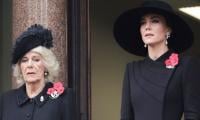 Kate Middleton Insists She Would Never Undermine Queen Camilla
 -
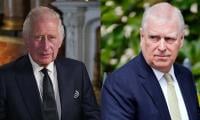 King Charles 'terrified' Andrew's Scandal Will End His Reign
 -
 Winter Olympics 2026: Lindsey Vonn’s Olympic Comeback Ends In Devastating Downhill Crash
 -
 Adrien Brody Opens Up About His Football Fandom Amid '2026 Super Bowl'
 -
 Barbra Streisand's Obsession With Cloning Revealed
 -
 What Did Olivia Colman Tell Her Husband About Her Gender?
 -
 'We Were Deceived': Noam Chomsky's Wife Regrets Epstein Association
 -
 Patriots' WAGs Slam Cardi B Amid Plans For Super Bowl Party: She Is 'attention-seeker'
 -
 Martha Stewart On Surviving Rigorous Times Amid Upcoming Memoir Release
 -
 Prince Harry Seen As Crucial To Monarchy’s Future Amid Andrew, Fergie Scandal
 -
 Chris Robinson Spills The Beans On His, Kate Hudson's Son's Career Ambitions
 -
 18-month Old On Life-saving Medication Returned To ICE Detention
 -
 Major Hollywood Stars Descend On 2026 Super Bowl's Exclusive Party