
No system
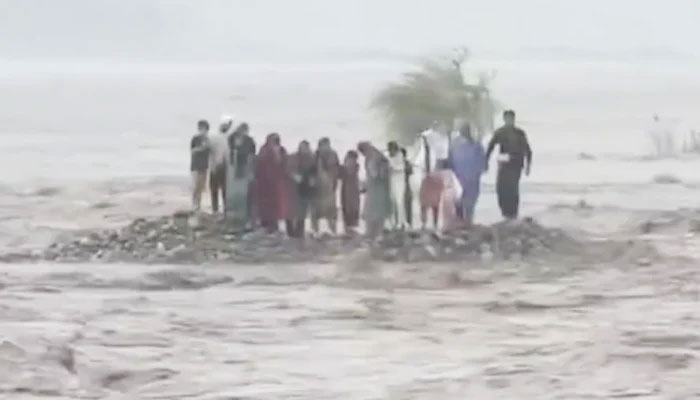
On a grim June night in 2025, a flash flood ravaged the serene valley of Swat. Among the dozens of lives lost were 14 members of the same family swept away as they waited for rescue that never arrived. Their cries were drowned not only by the roaring waters but also by the deafening silence of an absent system. Pakistan is no stranger to natural disasters, yet it continues to act as if each one is a shocking anomaly. Earthquakes, floods, landslides, tsunamis and monsoons are not new, but our national response remains unchanged: chaotic, delayed, tragically unprepared.
Pakistan sits at the crossroads of multiple ecological vulnerabilities. The northern regions lie in a seismically active zone; the Indus River Basin is prone to floods; the coastal belt faces cyclones and tsunamis; and landslides occur regularly in mountainous terrain. Climate change has only increased these threats, making monsoon rains more turbulent and glacial melts more dangerous.
According to the Global Climate Risk Index, Pakistan ranks among the top ten countries most affected by climate-related catastrophes. Yet, there is no comprehensive, adaptive national disaster management system to cope with these recurring crises. In developed nations, disasters are treated as systems failures that must not be repeated. In Pakistan, they are treated like fate. Every year, monsoon rains hit the country with predictable force, yet local governments scramble to drain roads, relocate families, and fix broken embankments. There is no permanent infrastructure to anticipate the disaster only temporary panic to survive it.
The 2010 super floods affected 20 million people. The 2005 earthquake killed over 80,000. The 2022 monsoon floods displaced more than 30 million people and caused over 1,700 deaths, making it one of the deadliest in Pakistan’s history. Entire towns and villages, especially in Sindh and Balochistan, were submerged for weeks. The disaster destroyed over two million homes, damaged 13,000 kilometers of roads, and left one-third of the country underwater. Despite the scale of devastation and a global outpouring of aid, structural reforms never followed.
In 2023, the story repeated. Heavy monsoon rains triggered flash floods in Khyber Pakhtunkhwa and Balochistan, resulting in over 180 reported deaths and the destruction of thousands of homes and acres of farmland. Relief efforts were once again delayed, sporadic, and heavily reliant on the military rather than local governance systems.
Between April 12 and 28, 2024, relentless rains once again drowned large swaths of Pakistan, turning roads into rivers and homes into ruins. At least 117 people lost their lives, and 139 others were injured. KP recorded 63 deaths, while Punjab and Balochistan reported 21 and 15 fatalities respectively.
Entire villages were cut off as floods damaged more than 5,800 homes, 464 schools, and killed nearly 700 livestock. UN satellite data revealed those 9,000 square kilometers of land were submerged, affecting approximately 1.5 million people. Despite forecasts and warnings, emergency response was slow, and districts had to declare flood emergencies only after significant damage had already occurred.
However, disaster struck again in Swat. Eighteen members of a single family perished, swept away by torrents they could see coming but couldn’t escape from. Despite advance warnings, no rescue reached them in time. The mountains that attract tourists year-round became the site of another tragedy not because of nature, but because of negligence.
This wasn’t a natural tragedy alone. It was a political and institutional one.
While the government is mainly responsible for disaster planning, people also need to stay alert and careful, especially in areas where floods, landslides, or sudden weather changes are common. It is often said that families should not travel together to risky tourist spots during the rainy season or bad weather. The recent Swat tragedy is a painful reminder. Traveling with the whole family during dangerous weather may turn a short trip into a lifelong loss.
In a country with poor rescue services and no proper warning systems, people must be extra careful, check weather updates, follow travel warnings, and avoid dangerous areas. Staying alive is not only about systems, but also about wise choices.
Pakistan does have the NDMA at the federal level and Provincial Disaster Management Authorities (PDMAs) in each province. Yet these institutions remain passive until disaster strikes. Their funding is inconsistent, coordination with local governments is weak, and their presence in remote or vulnerable areas is minimal.
What’s missing is a functioning ecosystem of preparedness: Early warning systems that reach rural communities. Rescue and evacuation drills conducted before monsoon season. Modern equipment, emergency boats, and mobile clinics. Trained personnel on the ground, ready to respond. Urban planning that prevents construction in high-risk zones. Clear command structures linking federal, provincial, and district responses.
Without these, disaster response becomes a scramble instead of a system.
Japan is one of the most earthquake-prone nations in the world, yet it has one of the lowest disaster mortality rates. Bangladesh, once synonymous with cyclone devastation, now saves thousands of lives every year through efficient early warning and shelter systems.
Pakistan, however, continues to treat every flood as a surprise, every landslide as an exception, and every earthquake as destiny. This fatalism, combined with poor governance and corruption, ensures that even the best forecasting cannot prevent loss when institutions are weak.
A ‘system-generated’ country has protocols that kick in before the crisis begins. It has emergency stockpiles, national databases of vulnerable populations and schools that teach disaster response as part of the curriculum. In contrast, Pakistan relies on ad hoc measures, delayed interventions and post-tragedy sympathy.
Each year, the cost is measured not only in rupees but in ruined lives, shattered homes and destroyed futures.
The 2022 floods should have been a national awakening. The 2023 flood deaths should have triggered reform. The April 2024 deluge should have led to urgent system-building. The June 2025 Swat tragedy should have never happened. But the pattern remains unchanged: tragedy, blame, charity, forget.
Disaster resilience is not about luck; it is about leadership, legislation and long-term planning. Until Pakistan becomes a system-generated country, disasters will keep arriving with brutal certainty and we will keep losing lives that could have been saved.
The writer is a freelance contributor.


