
Americans worry conflict with Iran could escalate, poll finds
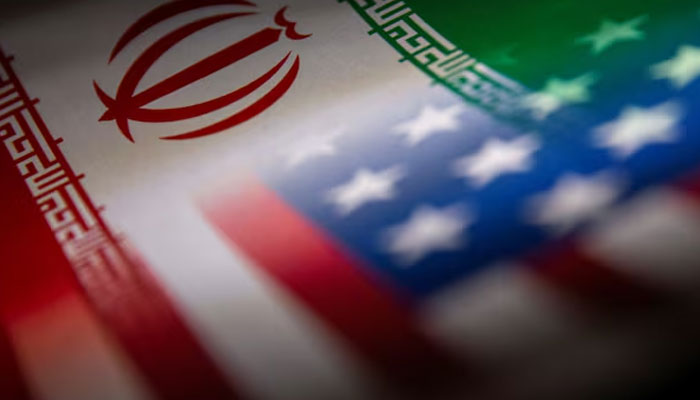
WASHINGTON: Americans are anxious over a brewing conflict between the US and Iran and worry the violence could escalate after President Donald Trump ordered the bombing of Iranian nuclear facilities, according to a Reuters/Ipsos poll that closed on Monday.
Some 79 per cent of Americans surveyed said they worried “that Iran may target US civilians in response to the US airstrikes.” The three-day poll, which began after the US airstrikes and ended early Monday before Iran launched missiles at a US air base in Qatar, showed Americans were similarly concerned about their country’s military personnel stationed in the Middle East. Some 84 per cent said they worried in general about the growing conflict.
The poll, which surveyed 1,139 US adults nationwide, underscored deep divisions in America over what Washington should do next and highlighted the political risks faced by Trump, whose presidential approval rating fell to 41 per cent, the lowest level of his current term in office that began in January.
Some 36 per cent of respondents - including 13 per cent of Democrats and 69 per cent of Republicans - said they supported the strikes, which took place just two days ago. The poll had a 3 percentage point margin of error and the public’s view of the conflict could evolve in the days and weeks ahead.
Only 32 per cent of people in the survey said they supported continued US airstrikes, compared to 49 per cent who said they were opposed. However, within Trump’s Republican Party, 62 per cent backed further strikes and 22 per cent were opposed. Republicans were more deeply divided when asked if they supported an immediate end to US involvement in the conflict with Iran, with 42 per cent saying Washington should end its involvement now and 40 per cent opposed to the idea.
Trump ordered the US military to bomb Iran’s nuclear sites on Saturday, a dramatic and risky shift in foreign policy following repeated pledges by Trump to avoid military interventions in major foreign wars. Trump has built his political brand around a pledge to put “America first,” and his election campaigns last year and ahead of his first term in office both stressed opposition to US involvement in foreign wars.







-
 Halsey's Fiance Avan Jogia Shares Rare Update On Wedding Planning
 -
 Instagram Head Adam Mosseri Says Users Cannot Be Clinically Addicted To App
 -
 James Van Der Beek Was Working On THIS Secret Project Before Death
 -
 Las Vegas Father Shoots Daughter's Boyfriend, Then Calls Police Himself
 -
 'Hunger Games' Star Jena Malone Shocks Fans With Huge Announcement
 -
 Ex-OpenAI Researcher Quits Over ChatGPT Ads
 -
 Prince William Criticized Over Indirect Epstein Connection
 -
 'Finding Her Edge' Creator Explains Likeness Between Show And Jane Austin Novel
 -
 Margot Robbie Delivers Sweet Message Ahead Of Valentine's Day
 -
 How AI Boyfriends Are Winning Hearts In China: Details Might Surprise You
 -
 Blake Lively Mocked Over 'dragons' After Latest Court Appearance
 -
 Gmail For Android Now Lets Users Create Labels On Mobile
 -
 Emma Slater Reveals Final Moments With James Van Der Beek Before His Death
 -
 Princess Kate Makes Surprise Visit To Support Mental Health Initiative
 -
 Reese Witherspoon Sparks Nostalgia With 'Green Sisters' Tribute To Jennifer Aniston
 -
 Royal Family Faces Fresh Crisis While Andrew's Controversy Refuses To Die