
FY26 budget may exert minor adverse effect on banks: analysts
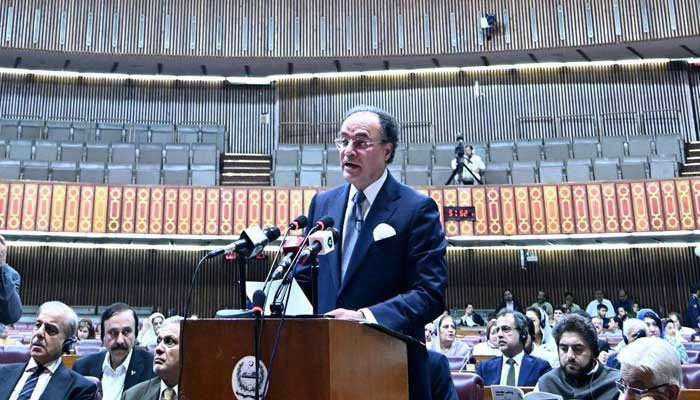
KARACHI: The Pakistani government on Tuesday unveiled its budget for the next fiscal year starting in July, aimed at boosting economic growth while reducing the fiscal deficit and expanding the tax base. However, analysts say that the measures included in the budget may have mildly negative implications for banks.
The government has proposed to increase the tax on interest income from 15 per cent to 20 per cent. The withholding tax on cash withdrawals exceeding Rs50,000 will increase from 0.6 per cent to 0.8 per cent for non-tax filers.
For a country with a very low savings rate, the removal of the Rs5 million bracket and the increase in withholding tax on profits is a retrogressive step. This change will particularly affect salaried employees, whom the government intends to support, but could negatively impact bank deposits.
“The budget has a mildly negative impact on banks, as the government’s move to raise the tax rate on interest income from debt to 20 per cent and increase the tax on cash withdrawals for non-filers may adversely affect deposit growth,” said Awais Ashraf, director of research at AKD Securities Limited.
“However, initiatives aimed at digitalisation and formalisation of the economy are expected to benefit the banking sector over the long term,” Awais said.“The gradual reduction in the banking sector's income tax rate to 43 per cent is a positive development for the industry,” he added.
According to central bank data, banking sector deposits rose to Rs32.316 trillion in April, up from Rs31.626 trillion in the previous month.The government has proposed adding Section 114C to the finance bill, which will impose restrictions on economic transactions for non-tax filers. These limitations include restrictions on purchasing securities above a certain threshold, buying vehicles over 850cc, and opening bank accounts, except for Asan accounts.
Mustafa Mustansir, head of research at Taurus Securities, said that a key proposal in the fiscal year 2026 budget targets non-filers. Any financial transactions they conduct, such as opening bank accounts or purchasing property and vehicles, will require them to declare their tax records, including their wealth statement and income tax return.
“In my opinion, this is a positive measure announced by the government as it aims to address tax evasion due to non-declaration and mis-declaration in the economy. It will significantly help to expand the tax base and contribute to achieving the IMF’s tax-to-GDP target,” Mustansir added.


