
India central bank delivers sharp rate cut as growth and inflation fall, reports BBC
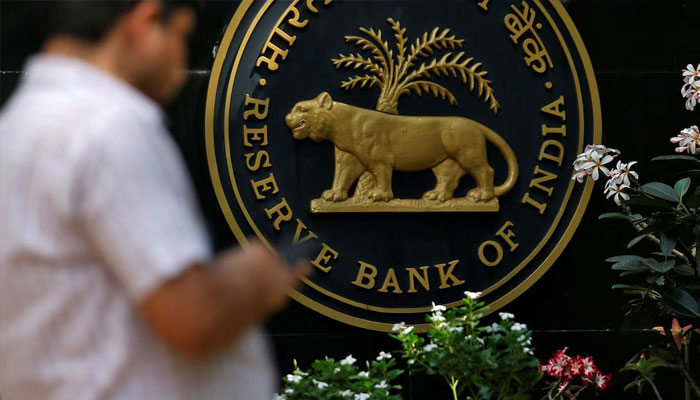
India’s central bank has lowered interest rates by a deeper-than-expected half a per cent -- the third cut in a row amid falling inflation and lower growth in Asia's third largest economy, according to foreign media outlet ‘BBC’.It also increased the amount of liquidity -- or supply of money -- available in the system.
The repo rate -- the level at which the central bank lends money to commercial banks, influencing borrowing costs for home and car loans -- now stands at 5.5 per cent, the lowest in three years.
Explaining the rationale for the cut, RBI governor Sanjay Malhotra said growth is “lower than our aspirations” and the bank felt it was “imperative to stimulate domestic consumption and investment” amid rising global uncertainties.
The rate cut comes on the back of two previous reductions in April and February.Data released last week showed that India’s economy grew by 6.5 per cent in the previous financial year ending March, the BBC report said.
The country remains the world’s fastest expanding major economy, although growth has sharply dropped from the 9.2 per cent high recorded in financial year 2023-24.
Meanwhile, retail prices in India have slowed faster than expected to 3.16 per cent in April -- the lowest in six years -- and below the RBI’s 4.0 per cent target, driven down by falling food prices.
RBI has now forecast lower inflation than earlier projected for the year ahead.But the central bank has changed its monetary policy stance from “accommodative” to “neutral”, indicating that further rate cuts will depend on how India's growth-inflation dynamic evolves.
However, fuller granaries due to a better-than-expected monsoon, weaker prices of commodities like oil -- of which India is a net importer -- as well as a strong currency are likely to help keep India's inflation in check in the months ahead, allowing the RBI to keep rates low.
Lower borrowing costs could have a positive growth impact due to improved purchasing power for households, lower input costs for companies and lower debt servicing costs for the government.
They will also help homebuyers and a struggling real estate sector.“This effectively lowers the cost of borrowing, making home loan EMIs [mortgage payments] easier on the pocket and thereby directly improving affordability for buyers. This can potentially boost demand in the Indian real estate sector, especially in affordable and mid-income segments. Affordable housing faced the sharpest pandemic fallout, with sales and new launches shrinking in the top seven cities,” Anuj Puri, chairman of ANAROCK Group, said.Indian markets rallied sharply post the rate cut announcement.







-
 Melania Trump Appears With Humanoid Robot At White House
 -
 ‘Addictive By Design’: Meta, YouTube Found Liable In Historic Verdict
 -
 Bruce Willis' Mom Marlene Makes Another Family Amid Son's Battle With Dementia
 -
 Roblox Safety Warning For Parents: Developer Says Kids Need 24/7 Monitoring
 -
 Chelsea Handler Explains Why She Dates Younger Men
 -
 Chappell Roan's Security Guard Takes 'full Responsibility' For His Interaction With Jorginho's Daughter?
 -
 Rosalía Cuts Concert Short Over Sudden Illness, Fans Shocked
 -
 'Buffy' Star Nicholas Brendon's Death Case Takes Massive Turn
 -
 FKA Twigs Takes Legal Stand Against Ex Shia LaBeouf
 -
 ‘Progressive’ Kate Middleton Snubs Outdated Royal Etiquette
 -
 Kylie Kelce Explains Why She Avoids Raising Kids With 'silver Spoon'
 -
 Meghan Markle Is Above Royal Family ‘empty Threats,’ Says Insider
 -
 Anne Hathaway Opens Up About 'defeated' Feeling As Working Mom
 -
 Shamed Andrew Should Testify In Epstein Case As ‘act Of Service’
 -
 What Really Happened Before Nicholas Brendon Was Found Dead At Home?
 -
 Sarah Ferguson Branded ‘most Famous Missing Person’ In UK Right Now