
PBF calls for GST exemption on local cotton, yarn to avert textile industry collapse
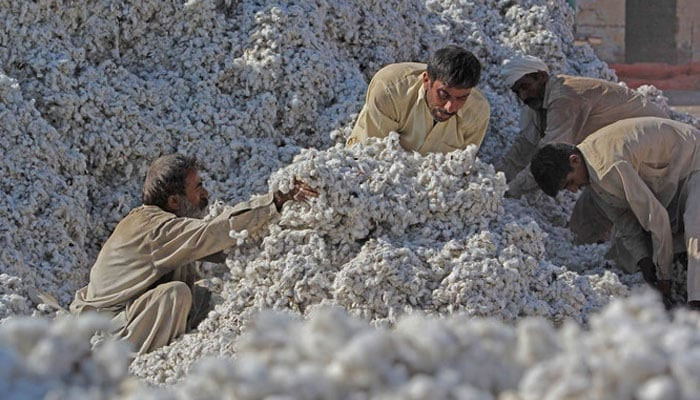
KARACHI: The Pakistan Business Forum (PBF) has urged the federal government to exempt locally produced cotton, cottonseed, yarn and fabric from the 18 per cent general sales tax (GST) in the upcoming Budget 2025-26, warning that failure to do so could push the country’s textile industry towards complete collapse.
PBF South Punjab Chairperson Malik Talat Suhail, emphasised that the Export Finance Scheme (EFS) -- introduced to phase out subsidies and promote exports -- has instead proved detrimental to the textile sector. Under EFS, imported raw materials are exempt from both sales tax and customs duty, while local inputs remain taxed at 18 per cent.
Although this tax is technically refundable, in practice only 60-70 per cent of refunds are disbursed. The refund process is marred by delays, manual processing and high compliance costs -- issues that disproportionately affect small and medium-sized enterprises (SMEs).
This imbalance has led many exporters to favour imported inputs, causing significant damage to local suppliers. Consequently, Pakistan’s import of cotton, yarn and greige fabric rose by $1.5 billion in FY2025, increasing from $2.19 billion to $3.64 billion. In contrast, textile exports grew by only $1.4 billion, with net textile exports projected to decline from $14 billion to $13.6 billion. Over 120 spinning mills and more than 800 ginning factories have closed down, while loom workers in Faisalabad continue to stage protests. SMEs are especially vulnerable, as they are subject to multiple taxes at each production stage and have limited access to the cheaper imported alternatives available to larger firms.
This situation has severely strained the country’s foreign exchange reserves, especially as the number of commercial import licences has tripled -- from 800 to 2,400. Meanwhile, domestic cotton production has plummeted to a historic low of just five million bales, with further declines expected. With little government support and falling demand, many farmers are abandoning cotton cultivation in favour of more water-intensive crops, exacerbating pressure on national water resources.
The PBF also warned that the collapse of the cotton economy is depriving rural communities of $2-3 billion in income, with female cotton-pickers among the hardest hit. “Pakistan is currently the only country imposing an 18 per cent sales tax on cottonseed and cotton feed, pushing farmer income below the cost of production and hitting the poorest segments of society the hardest.” Rising unemployment and falling rural earnings are further worsening the economic crisis.The forum stressed that if current policies are not revised, Pakistan could lose $4-6 billion in potential foreign exchange earnings.







-
 Dua Lipa Wishes Her 'always And Forever' Callum Turner Happy Birthday
 -
 Police Dressed As Money Heist, Captain America Raid Mobile Theft At Carnival
 -
 Winter Olympics 2026: Top Contenders Poised To Win Gold In Women’s Figure Skating
 -
 Inside The Moment King Charles Put Prince William In His Place For Speaking Against Andrew
 -
 Will AI Take Your Job After Graduation? Here’s What Research Really Says
 -
 California Cop Accused Of Using Bogus 911 Calls To Reach Ex-partner
 -
 AI Film School Trains Hollywood's Next Generation Of Filmmakers
 -
 Royal Expert Claims Meghan Markle Is 'running Out Of Friends'
 -
 Bruno Mars' Valentine's Day Surprise Labelled 'classy Promo Move'
 -
 Ed Sheeran Shares His Trick Of Turning Bad Memories Into Happy Ones
 -
 Teyana Taylor Reflects On Her Friendship With Julia Roberts
 -
 Bright Green Comet C/2024 E1 Nears Closest Approach Before Leaving Solar System
 -
 Meghan Markle Warns Prince Harry As Royal Family Lands In 'biggest Crises' Since Death Of Princess Diana
 -
 Elon Musk Weighs Parenthood Against AI Boom, Sparking Public Debate
 -
 'Elderly' Nanny Arrested By ICE Outside Employer's Home, Freed After Judge's Order
 -
 Keke Palmer On Managing Growing Career With 2-year-old Son: 'It's A Lot'