
Apparel sector calls for PM’s urgent intervention on tariff barriers
PRGMEA and PHMA say global buyers now demand certified, high-performance materials that are simply not available in Pakistan
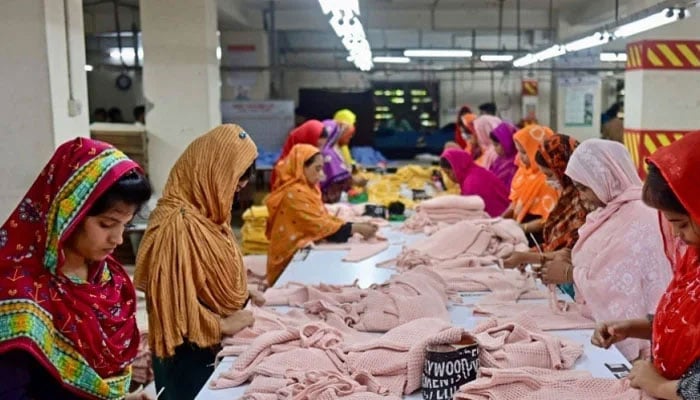
LAHORE: The Apparel sector, which contributes over $9 billion in export revenue, has warned that the country’s value-added textile industry faces serious setbacks due to continued tariff barriers and restrictive policies that are obstructing supply chains.
In a joint letter to the Prime Minister seeking timely intervening, the Pakistan Readymade Garments Manufacturers and Exporters Association (PRGMEA) and the Pakistan Hosiery Manufacturers & Exporters Association (PHMA) stated that the global buyers now demand certified, high-performance materials that are simply not available in Pakistan. Yet, import of such essential raw materials remains hindered by duties and outdated regulations.
PRGMEA Regional Chairman Dr. Ayyazuddin and PHMA Zonal Chairman Abdul Hameed jointly sought a direct and an immediate meeting with the prime minister ahead of the budget, warning that without urgent intervention, Pakistan could lose out on the global shift in sourcing patterns that has opened fresh opportunities for new exporters.
They emphasised that Pakistan still relies heavily on cotton-based exports — primarily denim and fleece — while nearly 80 percent of global apparel trade has moved towards synthetic and functional textiles. “We cannot expand or diversify if we don’t have access to the right raw materials,” the letter stated.
“We are being penalised for importing items that aren’t even produced locally.”
It was pointed out that man-made fibres, technical yarns, performance fabrics, and critical trims -- many categorised under HS Chapters 54, 55, and 96 — are subject to duties despite not being manufactured in the country. “Keeping tariffs on non-available raw materials is equivalent to taxing exports before they even happen,” it added.
Former PRGMEA chairmen Ijaz Khokhar and Sajid Saleem Minhas backing the joint demand highlighted that SMEs are particularly vulnerable due to rigid policies and lack of flexibility in global compliance. “We’ve sent a detailed letter to the Prime Minister Shehbaz Sharif and commerce ministry outlining how certain recent policy changes, like the shortening of the Export Facilitation Scheme (EFS) input period from 60 to just 9 months, are unrealistic for the apparel sector,” Khokar said.
PRGMEA ex-chairmen Ijaz Khokhar added that the letter, addressed to the PM as well as the Commerce Minister Jam Kamal, strongly criticises the abrupt shift in EFS timelines. He argued that value-added exporters often operate under just-in-time and never-out-of-stock business models, requiring longer input cycles to fulfill diverse orders. He said that the current restrictions will disrupt operations and increase compliance burdens for exporters.
Sajid Saleem Minhas said that the local spinning industry has not evolved to meet the requirements of today’s global fashion market. “Since we don’t produce the materials our buyers demand, we should at least allow their duty-free import. Otherwise, we are locking ourselves out of high-growth product categories,” he said.
The PRGMEA and PHMA members also called for restoration of the Final Tax Regime (FTR) for exporters, stating that the shift to the Normal Tax Regime has led to complex audits and disrupted business continuity. “We need simplicity and certainty, not additional paperwork and scrutiny,” the statement noted.
Khokhar also raised concern over the lack of government push on trade diplomacy, particularly with the United States, where Pakistani textiles face an average import tariff of 29 percent, compared to lower rates for competitors such as Bangladesh and Vietnam.
The letter suggests Pakistan negotiate preferential terms or targeted tariff relief with the U.S., especially for eco-friendly and sustainable products that align with global ESG compliance. Refund delays were also highlighted as a chronic problem. Exporters are facing severe liquidity shortages due to delayed disbursement of DLTL, DDT, sales tax, and withholding tax refunds. The industry has requested an automated and time-bound mechanism for refund processing to ease working capital constraints.
Additionally, both associations emphasised the need for a strong national marketing campaign for “Made in Pakistan” garments. They urged the Ministry of Commerce to initiate global trade outreach through embassies, digital platforms, and targeted B2B events to increase visibility and improve brand image.
He said that this sector has the potential to double its exports in five years and added that “we need the government to first remove these structural roadblocks”.
Sajid Minhas said that Pakistan’s value-added textile sector is one of the largest employers and a key contributor to national exports. The country cannot afford to lose this opportunity. “We request the prime minister to meet us urgently and help align policy with global market realities.”







-
 'Buffy' Star Nicholas Brendon's Death Case Takes Massive Turn
 -
 FKA Twigs Takes Legal Stand Against Ex Shia LaBeouf
 -
 ‘Progressive’ Kate Middleton Snubs Outdated Royal Etiquette
 -
 Kylie Kelce Explains Why She Avoids Raising Kids With 'silver Spoon'
 -
 Meghan Markle Is Above Royal Family ‘empty Threats,’ Says Insider
 -
 Anne Hathaway Opens Up About 'defeated' Feeling As Working Mom
 -
 Shamed Andrew Should Testify In Epstein Case As ‘act Of Service’
 -
 What Really Happened Before Nicholas Brendon Was Found Dead At Home?
 -
 Sarah Ferguson Branded ‘most Famous Missing Person’ In UK Right Now
 -
 Why King Charles Does Not Need A Driving License? Expert Reveals
 -
 Did Graham Norton Really Sign NDAs For Taylor Swift’s Wedding?
 -
 ‘Polite’ King Charles Treats Staff Better Than ‘boorish’ Andrew
 -
 Princess Beatrice's Husband Raises Eyebrows With Deleted Instagram Post
 -
 Dua Lipa 'snubs' Priyanka Chopra
 -
 Will Taylor Frankie Paul Still Get Her 'Bachelorette' Salary?
 -
 'Harry Potter' Returns: First Glimpse Of HBO's New Series