
Workshop on food systems education held
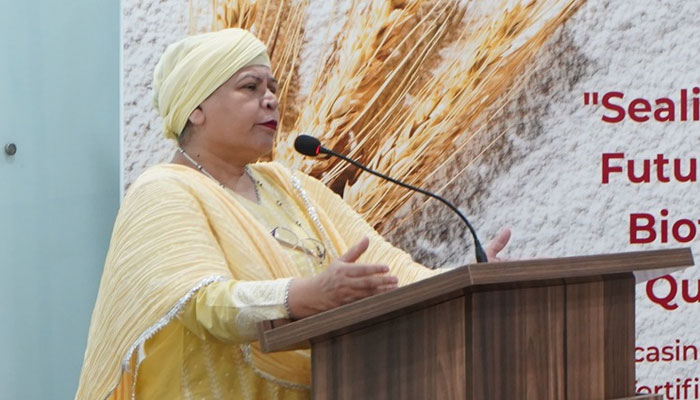
Islamabad: The Global Alliance for Improved Nutrition (GAIN), in collaboration with leading academic institutions, a two-day capacity building workshop on food systems courses for university faculty concluded on May 30, at a hotel, says a press release.
The workshop brought together over 40 faculty members from 10 universities across Lahore and Faisalabad, demonstrating a shared commitment to advancing food systems education and strengthening nutrition-sensitive policy development in Pakistan.
The primary aim of the training was to equip university faculty with the knowledge, methodologies, and pedagogical tools needed to integrate food systems thinking into academic curricula. The initiative supports both national and global efforts to tackle the triple burden of malnutrition while fostering sustainable, resilient, and equitable food environments.
In her opening remarks, Farah Naz, country director of GAIN Pakistan, emphasised the essential role of faculty members in shaping a future-ready food workforce and reaffirmed GAIN’s dedication to supporting transformative change within the education sector.
Faiz Rasool, head of policy and advocacy at GAIN Pakistan, highlighted the pressing issue of malnutrition in the country, particularly as it relates to food insecurity and the growing impact of climate change. He emphasised the importance of equipping youth with relevant food systems knowledge and using that foundation to inform future policy and program development. He further underlined the need to build faculty capacity as a critical enabler of systems transformation—an area this GAIN initiative specifically targets.
During the workshop, participants explored curriculum design for food systems education, effective assessment and evaluation strategies, experiential and participatory learning methods, and the integration of digital tools in classroom instruction. These sessions were designed not only to strengthen pedagogical approaches but also to encourage institutional collaboration, curriculum innovation, and active engagement with local policy contexts. This workshop marks a pivotal step toward institutionalising food systems education within Pakistan’s higher education sector.







-
 Rebecca Gayheart Breaks Silence After Eric Dane's Death
 -
 Kate Middleton 2026 BAFTA Dress Honours Queen Elizabeth Priceless Diamonds
 -
 Sterling K. Brown's Wife Ryan Michelle Bathe Reveals Initial Hesitation Before Taking On New Role
 -
 BAFTA Film Awards Winners: Complete List Of Winners Updating
 -
 Millie Bobby Brown On Her Desire To Have A Big Brood With Husband Jake Bongiovi
 -
 Biographer Exposes Aftermath Of Meghan Markle’s Emotional Breakdown
 -
 Backstreet Boys Admit Aging Changed Everything Before Shows
 -
 Ryan Coogler Makes Rare Statements About His Impact On 'Black Cinema'
 -
 Rising Energy Costs Put UK Manufacturing Competitiveness At Risk, Industry Groups Warn
 -
 Kate Middleton Makes Glitzy Return To BAFTAs After Cancer Diagnosis
 -
 NFL Star Rondale Moore Dies Aged 25, Minnesota Vikings Pay Tribute
 -
 Kim Kardashian Makes Huge Career Move Weeks After Going Public With Lewis Hamilton
 -
 Shia LaBeouf Draws Attention For Sweet Reason After Spending Time In Jail Over Brawl Incident Amid Mardi Gras Bash
 -
 Princess Eugenie, Beatrice Receive Strong Warning After Andrew Arrest: 'Zero Tolerance'
 -
 Rihanna 38th Birthday Detail Breaks The Internet, Featuring Unexpected Huge Item
 -
 Liza Minnelli Recalls Rare Backstage Memory With Mum Judy Garland In New Memoir