
‘Climate change is not tomorrow’s threat, it is today’s crisis’
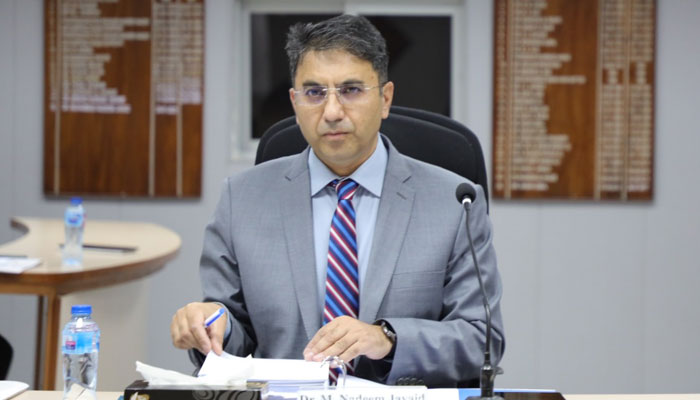
Islamabad:Dr Nadeem Javaid, Vice-Chancellor, Pakistan Institute of Development Economics (PIDE), has said that climate change is not tomorrow’s threat — it is today’s crisis.
Dr Javaid was giving remarks at the unveiling ceremony here of Asian Infrastructure Finance 2025 Report under the theme “Infrastructure for Planetary Health” by Pakistan Institute of Development Economics (PIDE) and Asian Infrastructure Investment Bank (AIIB).
Dr Javaid said the 2022 floods were a national catastrophe with $32 billion losses, two decades of development washed away and over six million pushed into poverty. He emphasised that environmental degradation, inadequate water storage, and climate-vulnerable agriculture are compounding risks that must be addressed through collective action and long-term planning.
Federal Minister for Planning, Development & Special Initiatives, Ahsan Iqbal, said that we must build infrastructure that does not just deliver growth but ensures survival. He outlined the government’s bold steps under the 5Es framework, including the deployment of zero-emission electric buses, restoration of flood-prone riverbanks and climate-proofing healthcare facilities.
Calling for a paradigm shift, he underscored that at Planning Commission no project is now cleared unless it fully incorporates climate resilience, environmental sustainability, and updated building codes. This is our new standard,” he stated. The cost of inaction whether through lives lost, health crises or economic setbacks is far greater than the investment required for green, future-proof solutions.
To close the climate finance gap, Mr Iqbal advocated the use of green bonds, resilience bonds, and public-private partnerships, stressing the importance of mobilising both domestic and international capital.







-
 Gwyneth Paltrow Discusses ‘bizarre’ Ways Of Dealing With Chronic Illness
 -
 US House Passes Resolution To Rescind Trump’s Tariffs On Canada
 -
 Reese Witherspoon Pays Tribute To James Van Der Beek After His Death
 -
 Halsey Explains ‘bittersweet’ Endometriosis Diagnosis
 -
 'Single' Zayn Malik Shares Whether He Wants More Kids
 -
 James Van Der Beek’s Family Faces Crisis After His Death
 -
 Courteney Cox Celebrates Jennifer Aniston’s 57th Birthday With ‘Friends’ Throwback
 -
 Camila Cabello Shares Update On Her Hair Two Years After Going Platinum
 -
 Prince William Steps In To Help Farmer's Awareness Mission
 -
 Queen Elizabeth Tied To Andrew's Sexual Abuse Case Settlement: Report
 -
 Mark Ruffalo Urges Fans To Boycott Top AI Company Boycott
 -
 Prince William Joins Esports Battle In Saudi Arabia
 -
 Princess Beatrice, Eugenie Are Being Ripped Apart: ‘Their Relationship Is Fully Fractured’
 -
 Arden Cho Shares Update On Search For ‘perfect’ Wedding Dress Ahead Of Italy Ceremony
 -
 Ariana Madix Goes Unfiltered About Dating Life
 -
 Prince William Closes Saudi Arabia Visit With Rare Desert Shot