Seedance 2.0: How it redefines the future of AI sector
Seedance 2.0 is currently in the testing phase and is capable of generating a multi-shot film sequence with sound in roughly 60 seconds
A major breakthrough has been achieved by Chinese tech company ByteDance with the launch of the latest version of its artificial intelligence video-generation model, Seedance 2.0. The recent move is crucial in accelerating China’s push in generative AI at a time when the United States' OpenAI appears to have decelerated innovation on its similar product, Sora.
The model is captivating attention and developers alike on social media where users are sharing clips showing cinematic scenes. Seedance 2.0 is transforming digital content creation, bringing it closer to the quality of traditional tv networks. Its enchanting cinematic scenes, fluid camera movements and synchronized audio are all generated from simple prompts.
The system is a gamechanger, as the technology marked the end of the “childhood” phase of AI-generated content. According to experts, the recent move underlines how Chinese companies are racing to gain an edge in the AIGC sector-a field holding lots of potential across the entertainment, advertising, gaming and social media segments as reported by CHINA DAILY.
A member of an expert committee under China’s Ministry of Industry and Information technology, Pan Helin said that Seedance’s remarkable performance is attributed to ByteDance’s broader content ecosystem. The new model is expected to revolutionize how creators produce short-form content.
Meanwhile, concerns are arising regarding the rapid progress of AIGC technology. A primary worry is that the system can generate a voice closely resembling an individual using only one photo- even without audio samples. Furthermore, AI-generated technology could intensify these problems increasing the pressure to balance innovation with robust security safeguards.


-
 US orders immediate removal of DeepSeek AI from federal systems over national security risks
 -
 Microsoft employee reveals 'truth' about AI at Xbox amid gaming industry backlash
 -
 Your phone may have malware: Here’s how you can check
 -
 Anthropic pledges 5% of shares to new public benefit fund ahead of IPO to shape AI goals
 -
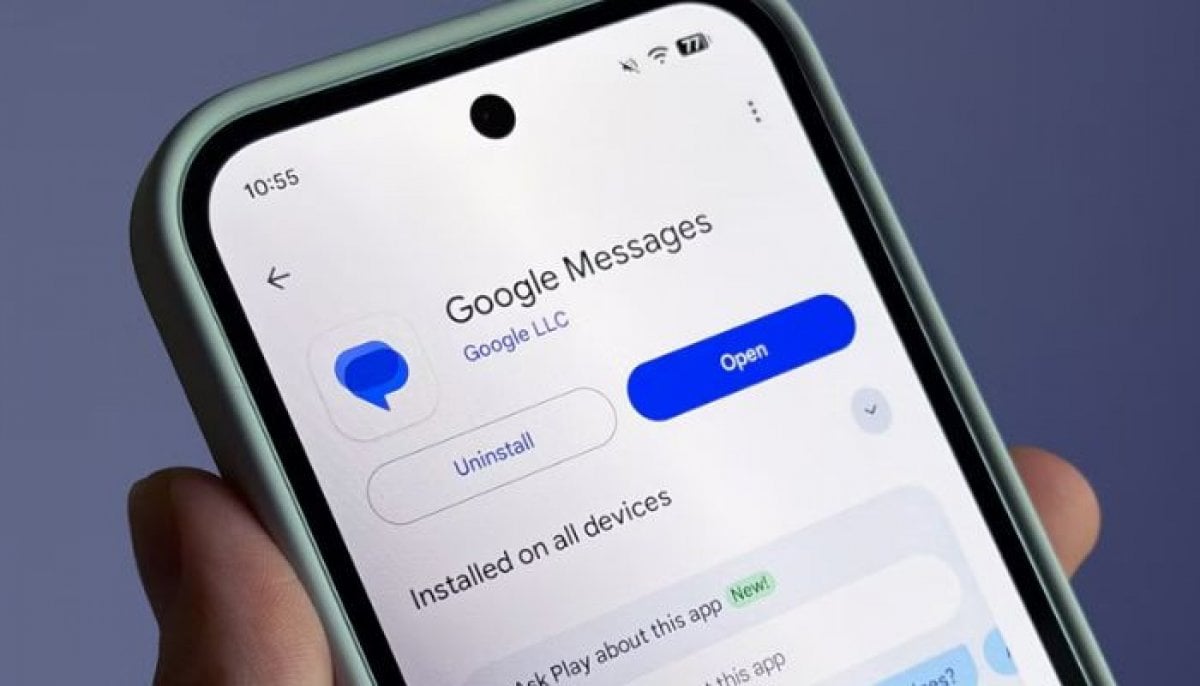 Google Messages live location may soon show traffic jams
 -
 Can Europe wean itself off US rockets? Creotech CEO weighs in
 -
 Apple's iPhone Duo launch strategy was 'major mistake', Bloomberg’s Gurman says
 -
 WhatsApp tests new iPhone browser to open links inside app