
Senate panel approves captive power plants levy bill
Bill was introduced, echoing the sentiment, highlighting prime minister’s promise to reduce electricity costs
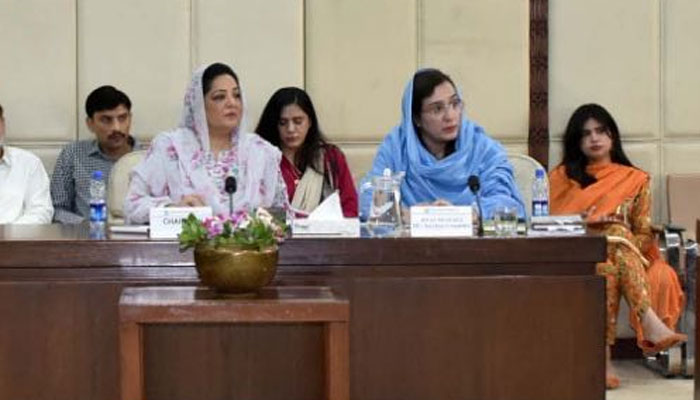
ISLAMABAD: The Senate Standing Committee on Finance has unanimously granted its assent to the bill of Captive Power Plants Levy 2025.
Senator Mohsin Aziz, belonging to PTI, opposed the bill, but he was not present in the meeting physically, so the Convener of the Senate Panel did not count his vote. The Senate Standing Committee on Finance and Revenue held its meeting under the chairpersonship of Senator Anusha Rahman here on Thursday. It cleared the bill in its original form without any changes.
Briefing the committee on the bill, Secretary of Petroleum Momin Agha, said its purpose is to reduce the burden of capacity utilisation and ultimately lower electricity prices for the general public. He informed the committee that a 5pc levy was immediately imposed after the issuance of the ordinance, with the rate set to increase to 10pc from July 2025, 15pc in February 2026, and 20pc in August 2026. The objective of the bill is to increase the electricity demand, utilisation of excess unused capacity, and to avoid pressure on power sector liquidity, eventually encouraging the transition of gas / RLNG-based industry (captive power) to the power grid. The collection of the levy will be utilised to lower the tariff for the power consumers.
The bill was introduced, echoing the sentiment, highlighting the prime minister’s promise to reduce electricity costs. Ultimately, the committee unanimously agreed with the Captive Power Plants Levy Bill 2025.







-
 Melissa Jon Hart Explains Rare Reason Behind Not Revisting Old Roles
 -
 Meghan Markle Eyeing On ‘Queen’ As Ultimate Goal
 -
 Japan Elects Takaichi As First Woman Prime Minister After Sweeping Vote
 -
 Kate Middleton Insists She Would Never Undermine Queen Camilla
 -
 King Charles 'terrified' Andrew's Scandal Will End His Reign
 -
 Winter Olympics 2026: Lindsey Vonn’s Olympic Comeback Ends In Devastating Downhill Crash
 -
 Adrien Brody Opens Up About His Football Fandom Amid '2026 Super Bowl'
 -
 Barbra Streisand's Obsession With Cloning Revealed
 -
 What Did Olivia Colman Tell Her Husband About Her Gender?
 -
 'We Were Deceived': Noam Chomsky's Wife Regrets Epstein Association
 -
 Patriots' WAGs Slam Cardi B Amid Plans For Super Bowl Party: She Is 'attention-seeker'
 -
 Martha Stewart On Surviving Rigorous Times Amid Upcoming Memoir Release
 -
 Prince Harry Seen As Crucial To Monarchy’s Future Amid Andrew, Fergie Scandal
 -
 Chris Robinson Spills The Beans On His, Kate Hudson's Son's Career Ambitions
 -
 18-month Old On Life-saving Medication Returned To ICE Detention
 -
 Major Hollywood Stars Descend On 2026 Super Bowl's Exclusive Party