
Pakistan targets maize export growth with focus on pest, toxin controls
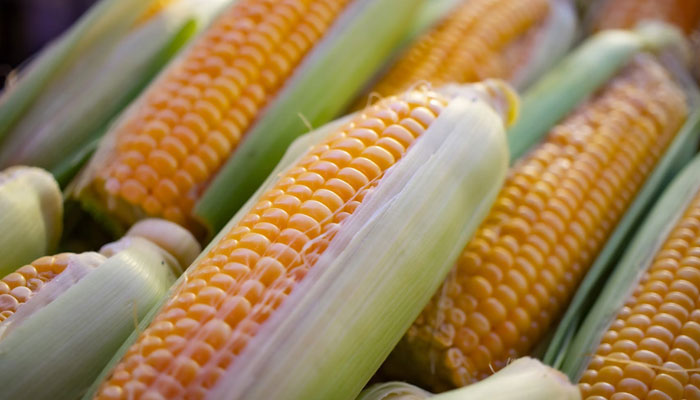
KARACHI: Pakistan is ramping up efforts to safeguard its maize exports by addressing pest infestations and toxin contamination, officials said at a seminar hosted Thursday by the Trade Development Authority of Pakistan (TDAP) in Vehari.
The event, titled ‘Improving Maize Export Quality through Khapra Beetle and Aflatoxin Control Measures’, brought together maize growers, exporters, technical experts and trade officials to outline strategies for boosting export quality amid rising scrutiny from key buyers, including Vietnam and Malaysia.
“Khapra beetle and aflatoxin contamination have triggered rejections from international markets,” said Athar Hussain Khokhar, Director General of TDAP’s Agri and Food Division. “This seminar reflects our commitment to protecting Pakistan’s $324 million maize export market and its vital role in the agri-economy.”
Pakistan exported 1.42 million tonnes of maize in 2023-24, accounting for roughly 3.0 per cent of the country’s agricultural value-added products. Vietnam, the top destination, imported $164.6 million worth of maize during the period.
Technical sessions spotlighted mitigation strategies. Muhammad Saeed of the Maize and Millets Research Institute recommended the use of pest-resistant storage bags and fumigation. TDAP Consultant Dr Mubarik Ahmad urged farmers to harvest and dry maize promptly and store it in well-ventilated spaces to reduce aflatoxin levels -- measures needed to meet strict EU standards, which limit aflatoxins in food to four parts per billion.
The seminar also featured international trade insights. Faiza Shafqat, trade and investment attache in Vietnam, outlined that country’s regulatory requirements, while Malaysian officials called for stricter adherence to global safety norms. Dr Khalid Zafar from the department of plant protection explained phytosanitary certification needed for pest-free exports.
Pakistan’s maize output hit 9.5 million tonnes in 2024-25, according to agriculture officials. To boost both quality and yield, authorities are investing in farmer training and modern cultivation techniques.
“Continued collaboration is essential to meeting global demand,” said Muhammad Usman, former senior vice president of the Vehari Chamber of Commerce and Industry. He praised TDAP’s role in supporting exporters and farmers alike.Pakistan aims to strengthen its foothold in the $62.87 billion global maize market by enhancing post-harvest practices and compliance with international standards.


