
PBC chief warns US tariffs could fuel global protectionism
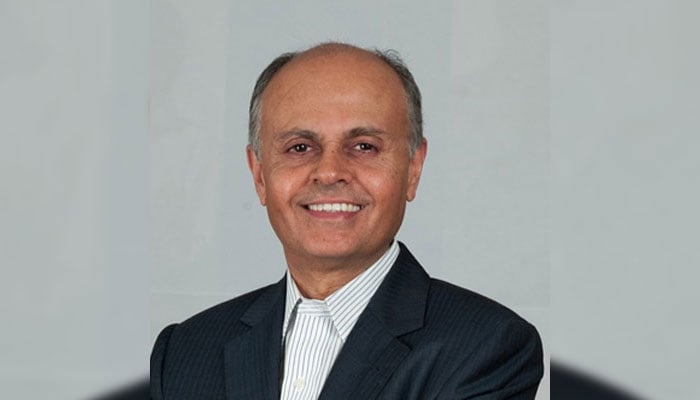
KARACHI: Chairperson of the Pakistan Business Council (PBC) Ehsan Malik has said that US tariffs may trigger a global rise in protectionism, potentially disrupting international trade flows.
Speaking at the German Chamber of Commerce Abroad (AHK) Gathering, hosted by the Consulate General of the Federal Republic of Germany on Tuesday, Malik said that tariffs not only distort resource allocation but also undermine consumer value and sustainable job creation.
He highlighted Pakistan’s fragile but improving macroeconomic outlook, pointing to the country’s ongoing IMF programme, improved foreign exchange reserves, sharply higher remittances, and the lowest fiscal deficit in 20 years as signs of stabilisation.
“We are seeing early signs of recovery,” he said, adding that Pakistan has also benefited from low global fuel costs and a strong wheat crop, which have contributed to the lowest inflation in years. However, he cautioned that much work remains. Political uncertainty, regional unrest and stalled reforms continue to pose significant risks.
He criticised the lack of coordinated economic leadership and called for urgent reforms to unlock foreign direct investment and support business growth.
On US tariffs, Malik underlined the importance of the American market, noting its $27.7 trillion GDP and massive consumer base. “The US cannot be ignored. Tariffs may be a tool, but the objective must be fair and balanced trade,” he said.
He stressed that Pakistan’s tax-to-GDP ratio should not be the sole focus. Instead, fiscal policy must aim to foster investment, support exports, and create jobs. “Tax collection is the outcome of smart policy -- not the starting point,” he remarked.
German Consul General Rudiger Lotz welcomed participants at the event, acknowledging the complex global landscape. “The geopolitical situation is not easy -- we all know the world is facing significant challenges,” he remarked.
He noted that the world is changing rapidly, and Europe, including Germany, is actively seeking new paths for energy security, trade, and stability in response to these geopolitical shifts. “Europe in general, and Germany in particular, continue to believe in an open and globalised world economy,” he emphasised, adding that the imposition of tariffs is the wrong response to economic crises.
Lotz also highlighted Germany’s ongoing focus on domestic investment, especially in infrastructure, education, schools and healthcare.






-
 Alicia Keys Celebrates 25 Years Of Breakout Single ‘Fallin’’
 -
 Akinola Davies Jr. Gives His Immigrant Parents A Shoutout In 2026 BAFTAs Acceptance Speech
 -
 Princess Beatrice, Eugenie Told 'first Thing They Should Do' After Andrew Arrest
 -
 Jennifer Garner Reveals What Her Kids Think Of Her Acting Career
 -
 Prince William Should Focus On 'family Business' After Andrew Blunder
 -
 Katherine Schwarzenegger Pratt 'brought To Tears' By Sister-in-law's Gesture
 -
 Prince William Makes Bold Claim About Britain's Creative Industry At BAFTA
 -
 Andrew Mountbatten Windsor Insulting 'catchphrase' That Degarded Staff
 -
 Kate Middleton, Princess Beatrice 'undercurrent Tension' Comes To Surface
 -
 'Grey's Anatomy' Alum Katherine Heigl Reveals Why She Stayed Silent After Eric Dane Loss
 -
 Host Alan Cumming Thanks BAFTAs Audience For Understanding After Tourette’s Interruption From Activist
 -
 Jennifer Garner Reveals Why Reunion With Judy Greer Makes Fans 'lose Their Minds'
 -
 Chris Hemsworth Makes Shocking Confession About His Kids' Reaction To His Fame
 -
 Wiz Khalifa Reveals Unconventional Birthday Punch Tradition With Teenage Son In New Video
 -
 BAFTAs 2026: Kerry Washington Makes Debut In Custom Prada Gown
 -
 Jennifer Lopez Gets Emotional As Twins Max And Emme Turn 18