
Pakistan’s squash fortunes continue to decline
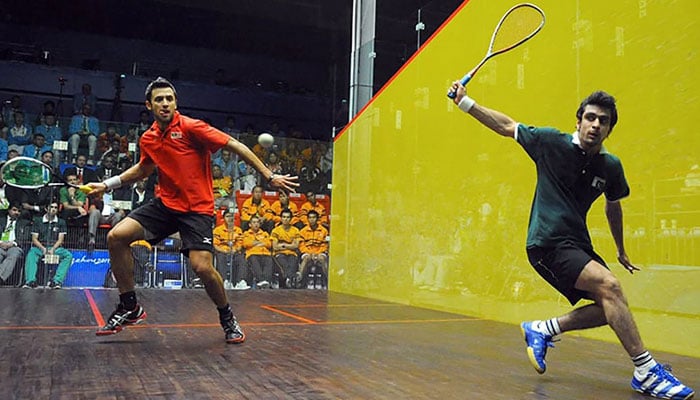
ISLAMABAD: Pakistan, once hailed as the undisputed powerhouse of world squash, continues to suffer a heartbreaking decline on the global stage. For more than two consecutive years, not a single Pakistani player has managed to break into the top 50 of the Professional Squash Association world rankings — a statistic that paints a grim picture for the sport’s future in the country.
In the latest PSA rankings update, Muhammad Ashab Irfan emerged as Pakistan’s highest-ranked player, securing the 57th position globally. Ashab’s rise saw him narrowly edge past Muhammad Asim Khan, who slipped to No. 58. However, the achievement offers little consolation to a nation with a rich legacy of squash dominance.
In an unexpected and unfortunate twist, Noor Zaman, the rising star who recently clinched the inaugural World Under-23 Championship title, saw his PSA ranking drop by four places, now sitting at No. 64. Despite his historic feat, Noor was awarded no PSA points for his U-23 victory, as the event is not recognized by the PSA circuit. His absence from other ranking events further contributed to the slip.
Meanwhile, former national hope Nasir Iqbal also experienced a fall in the rankings, dropping two spots to No. 77. The decline in Pakistan’s squash fortunes can be largely attributed to persistent coaching woes and a lack of consistent performance among its senior players. The once-promising Tayyab Aslam has been sidelined with a recurring knee injury, while Asem Khan’s battle with form and fitness has left a noticeable void at the top.
The repercussions have been stark. Without a player inside the top 50, Pakistan has failed to secure automatic entries into the main draws of major international tournaments, including prestigious events like the British Open and the World Championship, for several months now.
In sharp contrast, most squash-playing nations across Asia and beyond maintain a strong presence among the sport’s elite. Pakistan, the country that once produced legends like Jahangir Khan and Jansher Khan, now finds itself desperately clinging to memories of past glory, with little to celebrate on the senior professional circuit today. The road to revival appears steep and demanding, but for a nation with squash etched deep in its sporting identity, hope must prevail — along with urgent, systemic efforts to nurture and rebuild a new generation of champions.







-
 Dolly Parton's Rare Approach To Battle Grief Following Tragic Loss Of Late Husband Laid Bare
 -
 How Queen Elizabeth's Silence Impacted Diana And Meghan
 -
 Olivia Munn Raves About Her 'Your Friends & Neighbors' Costar James Marsden
 -
 Khloe Kardashian Gets Candid About Weight Loss Struggles
 -
 Jon Hamm Weighs In On ‘dark’ Modern Dating Culture: 'I Was Never Really Good At Dating Anyway'
 -
 Miley Cyrus Receives Heartfelt Praise From 'Love On The Spectrum's Logan Pereira
 -
 DeepSeek V4 Model Bets On Huawei Chips As Demand Surges
 -
 Ty Herndon Talks 'building A Future' With Partner Amid Memoir Release
 -
 'General Hospital' Star Sofia Mattsson Spills The Truth About 'Days Of Our Lives' Role
 -
 Ben Stiller Reveals Hidden Struggles Of Bro Bowlers
 -
 Brian Cox Launches Savage Attack On Johnny Depp
 -
 Pooh Shiesty, His Father Arrested Over Gucci Mane Kidnapping
 -
 Blake Lively 'devastated' After Legal Loss Against Justin Baldoni
 -
 Queen Elizabeth Ignored Warning Signs In Andrew Case To Protect Him?
 -
 'Hollyoaks' Star Keiron Richardson Confirms Speculation About Major Character Exit
 -
 King Charles, Harry Reconciliation: Royal Expert Reflects On 'work Going On Behind The Scenes'