
Trump health policy uncertainty sends biotech sector into deeper slump
LONDON: Trump administration cuts across federal health agencies have sent shivers through a biotech industry already struggling through a prolonged downturn, increasing concerns they will have a harder time getting products approved, investors, company executives and analysts said.
Mass firings at the US Food and Drug Administration are particularly risky for small- and mid-cap biotech companies that have innovative treatments in clinical trials but no products on the market to keep them afloat, these sources told Reuters.
Directives from President Donald Trump’s administration to freeze grant funding from the National Institutes of Health may also discourage future talent and resources from flowing into the biotech sector, some of them said.
The S&P Biotech ETF index hit an 18-month low last week and is trading at less than half its 2021 peak. It is down about 20 per cent this year. A record nearly 30 per cent of US-listed small- and mid-cap biotech companies are trading at or below cash, suggesting the market does not ascribe any value to their existing business or drug development pipeline, according to Jefferies analysts.
“The sector needs a predictable, science-led regulator to function,” said Linden Thomson, senior fund manager at asset manager Candriam, whose biotech fund holds shares in Vertex and Ascendis Pharma.
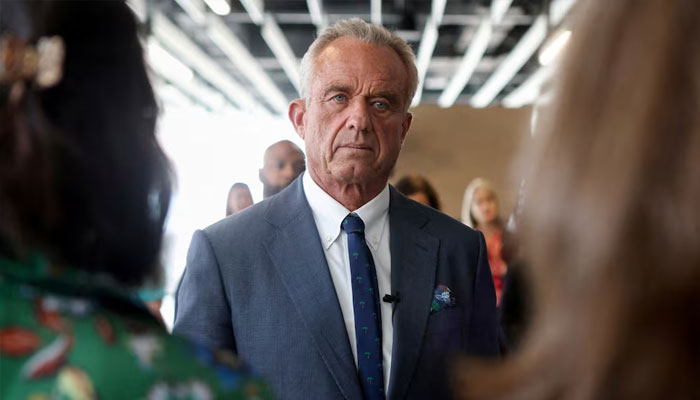
“The future cash flows of the businesses that are used to value stocks are, in biotechnology, in large part based on US commercial sales. If you don’t have US approvals you don’t have future value,” Thomson added. US Health Secretary Robert F Kennedy Jr says the layoffs that began last week are needed to streamline the nation’s health bureaucracy and will improve agencies’ work. But the ouster of top scientists at FDA and other institutions has raised questions over how they will fulfil their missions.
Biotechs have faced delays in scheduling meetings and receiving feedback from the FDA that guides drug development, according to a letter from company executives and investors to Congress this week. “Many have concerns that approval decision deadlines will be missed,” the letter said.
“The overwhelming view is that the regulatory agency is impaired, although we have not seen the consequences of it yet since the layoffs and firings have only recently occurred,”s said Paul Ariano, associate portfolio manager at Thornburg Investment Management, whose fund holds shares in Sarepta Therapeutics and Cytokinetics. “Sentiment is bad and there is little clarity on the factors that could provide more optimism,” he said.
‘PERILOUS TIME’
Multiple Trump executive orders are blocking funding from the NIH. Funds for early-stage research that NIH has traditionally provided help drive the formation of biotech startups, some of which go on to develop important medicines on their own or in conjunction with large pharmaceutical companies.
“It’s a perilous time for small- and mid-cap biotech companies and this will have knock-on effects for the development of new medicines and treatments in years to come,” said Tim Opler, managing director in Stifel Investment Bank’s Global Healthcare Group.
Shares in biotech firms have been under pressure since a peak of investment during the Covid-19 pandemic, hampered by high interest rates. They declined further after Trump took office in January and the selloff deepened following the resignation of senior FDA scientist Peter Marks, who led the FDA centre that regulates vaccines and biological treatments.
“Everyone is wondering what it will mean with the FDA losing this champion for accelerated regulatory approvals for innovative treatments,” said Nawal Ouzren, CEO of French company Sensorion, which has hearing loss treatments in mid-stage clinical trials.
The market is viewing each FDA decision on new drug products as a barometer of whether it is functioning normally, investors said. The agency recently missed a decision deadline on a Covid vaccine from Novavax, but gave a green light to a pre-filled syringe version of Argenx’s already-approved immune disorder drug.
The climate of uncertainty has left biotechs largely unable to access public capital. Biotech companies have raised $4.2 billion this year compared to $11.1 billion in the same period last year, according to LSEG data.







-
 Dua Lipa Wishes Her 'always And Forever' Callum Turner Happy Birthday
 -
 Police Dressed As Money Heist, Captain America Raid Mobile Theft At Carnival
 -
 Winter Olympics 2026: Top Contenders Poised To Win Gold In Women’s Figure Skating
 -
 Inside The Moment King Charles Put Prince William In His Place For Speaking Against Andrew
 -
 Will AI Take Your Job After Graduation? Here’s What Research Really Says
 -
 California Cop Accused Of Using Bogus 911 Calls To Reach Ex-partner
 -
 AI Film School Trains Hollywood's Next Generation Of Filmmakers
 -
 Royal Expert Claims Meghan Markle Is 'running Out Of Friends'
 -
 Bruno Mars' Valentine's Day Surprise Labelled 'classy Promo Move'
 -
 Ed Sheeran Shares His Trick Of Turning Bad Memories Into Happy Ones
 -
 Teyana Taylor Reflects On Her Friendship With Julia Roberts
 -
 Bright Green Comet C/2024 E1 Nears Closest Approach Before Leaving Solar System
 -
 Meghan Markle Warns Prince Harry As Royal Family Lands In 'biggest Crises' Since Death Of Princess Diana
 -
 Elon Musk Weighs Parenthood Against AI Boom, Sparking Public Debate
 -
 'Elderly' Nanny Arrested By ICE Outside Employer's Home, Freed After Judge's Order
 -
 Keke Palmer On Managing Growing Career With 2-year-old Son: 'It's A Lot'