
Five policemen suspended for ‘protecting’ drug mafia
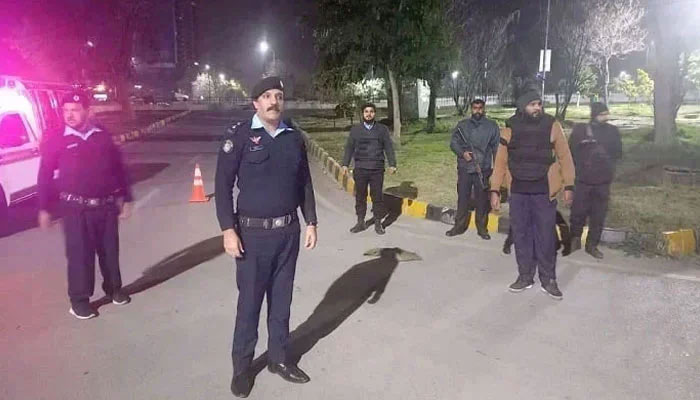
Islamabad:The report detailing the suspension of five police officials from Khanna Police Station in Islamabad, including a sub inspector and an assistant sub inspector, due to alleged involvement in sheltering a drug dealing mafia, presents a deeply concerning snapshot of potential corruption within the police force. While the "responsible officer" claims the suspensions occurred "some, one and a half months back," the very fact that such allegations surfaced and led to the suspension of multiple officers, when the drug barons gunned down a local leader of the ruling party, Muslim League (N). The supervisory ranks, warrants serious critical attention, especially when viewed through the lens of persistent public complaints regarding police misconduct and corruption.
The implication that multiple officers, spanning different ranks within a single police station, were involved suggests a potential systemic issue rather than isolated incidents. This points towards a possible breakdown in internal oversight, accountability mechanisms, and ethical standards within the Khanna Police Station, and potentially wider within the Islamabad Police.
The locals' allegations of the police station being "fully involved in providing shelter to the drug mafia" are particularly damaging. Such perceptions, whether entirely accurate or not, severely erode public trust in law enforcement. When citizens believe the very institution meant to protect them is colluding with criminal elements, their willingness to cooperate with the police and report crimes diminishes significantly. This creates a fertile ground for criminal activity to flourish.
The discrepancy between the locals' claims and the "responsible officer’s" statement regarding the timing of the suspensions raises questions about the responsiveness and transparency of the police leadership. If the allegations were indeed known for "one and a half months" prior to this report, the delay in public acknowledgment and action could be interpreted as an attempt to downplay the severity of the situation or a sluggish internal process. Proactive measures based on local intelligence and community feedback are crucial in preventing such deep-rooted corruption.
The involvement of a sub inspector and an assistant sub inspector is particularly alarming as these are supervisory roles expected to uphold the law and ensure the integrity of their subordinates. Their alleged complicity suggests a potential breakdown in the chain of command and a deeper entrenchment of corrupt practices.
The critics suggested that the suspension of these five individuals should not be the end of the matter. A thorough and transparent investigation is crucial to uncover the extent of the drug mafia's influence within the police station and potentially beyond. Furthermore, this incident underscores the urgent need for comprehensive reforms within the Islamabad Police.
In conclusion, this report, even in its brevity, paints a concerning picture of potential police corruption in Islamabad. The alleged involvement of multiple officers in sheltering drug traffickers highlights a serious breach of public trust and necessitates a swift, transparent, and comprehensive response beyond mere suspensions. Addressing this issue effectively requires a commitment to systemic reforms aimed at fostering a culture of integrity and accountability within the police force. Failure to do so will further erode public confidence and embolden criminal elements.







-
 King Charles' Andrew Decision Labelled 'long Overdue'
 -
 Timothee Chalamet 'forever Indebted' To Fan Over Kind Gesture
 -
 Columbia University Sacks Staff Over Epstein Partner's ‘backdoor’ Admission
 -
 Ozzy Osbourne's Family Struggles Behind Closed Doors
 -
 Dua Lipa Claims Long-distance Relationship 'never Stops Being Hard'
 -
 BTS Moments Of Taylor Swift's 'Opalite' Music Video Unvieled: See Photos
 -
 Robin Windsor's Death: Kate Beckinsale Says It Was Preventable Tragedy
 -
 Rachel Zoe Shares Update On Her Divorce From Rodger Berman
 -
 Kim Kardashian Officially Takes Major Step In Romance With New Boyfriend Lewis Hamilton
 -
 YouTube Tests Limiting ‘All’ Notifications For Inactive Channel Subscribers
 -
 'Isolated And Humiliated' Andrew Sparks New Fears At Palace
 -
 Google Tests Refreshed Live Updates UI Ahead Of Android 17
 -
 Ohio Daycare Worker 'stole $150k In Payroll Scam', Nearly Bankrupting Nursery
 -
 Michelle Yeoh Gets Honest About 'struggle' Of Asian Representation In Hollywood
 -
 Slovak Fugitive Caught At Milano-Cortina Olympics To Watch Hockey
 -
 King Charles Receives Exciting News About Reunion With Archie, Lilibet