
Extensive poppy cultivation uncovered in KP, Balochistan border regions
According to credible sources, poppy is being cultivated particularly in Pastwari and Kochmina areas
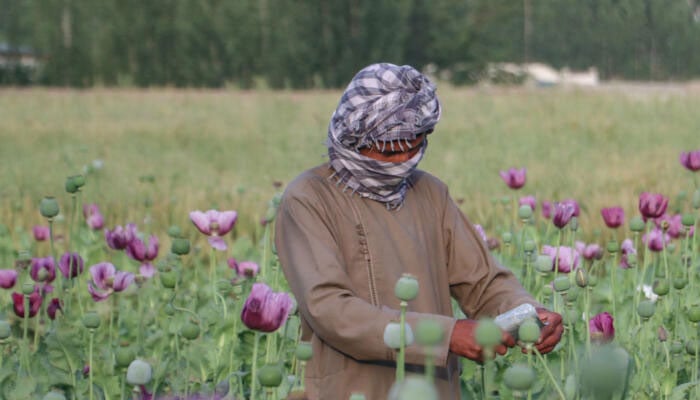
PESHAWAR: Poppy cultivation on a large-scale has been discovered in the DI Khan district of Khyber Pakhtunkhwa and adjacent border areas of Balochistan, raising serious concerns over the link between drug trafficking and terrorism in the country.
According to credible sources, the poppy is being cultivated particularly in Pastwari and Kochmina areas. The approximately 25 acres of poppy cultivation—spread across 4 to 5 patches — has yielded an estimated 500 kilograms of opium, valued at around Rs1.6 billion.
However, the Khyber Pakhtunkhwa claims no such reports have surfaced and even the Anti-Narcotics Force has not reported any poppy cultivation in KP’s territory.
“We have not received any information from any agency on this issue, but the department has been instructed to investigate the matter. It may be in the Balochistan area,” an official of the KP government told this correspondent.
Credible sources indicate that at least forty militants, including wanted terrorists named Tariq Kalachi and Habib Ur Rahman, have established hideouts in the region, with more terrorists arriving. Local sources also revealed that Afghan labourers are engaged in poppy cultivation, allegedly working under the financial patronage of the terrorist faction known as the “Faizullah Ikhwani Group.”
Sources claim that a particularly alarming development is the online sale of opium harvested from these fields. Reports suggest that these funds finance terrorist activities in Pakistan, posing a significant threat to national security.
The United Nations Office on Drugs and Crime (UNODC) had confirmed a sharp decline in Afghanistan’s opium production until 2023. However, recent trends indicate a resurgence in drug cultivation, prompting traffickers and militant groups to seek alternative sources, with Pakistan’s border regions emerging as a new hub for narcotics production.
Security sources told this correspondent that immediate governmental intervention is imperative to curb this escalating crisis. A comprehensive counter-narcotics strategy is required to dismantle these illegal operations and cut off financial resources for terrorist networks. The Anti-Narcotics Force, in collaboration with civil administration and law enforcement agencies, must conduct coordinated operations to clear affected areas and dismantle illicit networks.
“A decisive crackdown on this drug-terrorism nexus is essential not only for Pakistan’s internal security but also for regional stability. Failure to act swiftly may allow these criminal networks to strengthen their foothold and increase internal security threats for Pakistan,” the official said.







-
 Trump’s Beijing Summit 2026: Did Any Deals Emerge For Tech And Wall Street CEOs?
 -
 Trump-Xi Summit 2026: US, China Unite On Iran Nuclear Issue
 -
 China Launches World’s First Transforming Robot With Pilot Cockpit
 -
 Billy Idol To Receive Prestigious Honour For Music Contributions
 -
 Kim Kardashian Shares Glimpses Into Son Psalm's Extravagant Birthday Bash
 -
 Ed Sheeran, Martin Garrix Drop New Collab 'Repeat It': Watch Here
 -
 Chicago Bears’ 2026 NFL Schedule Features 7 National Prime-time Matchups: Full Details
 -
 FBI Offers $200K Reward For Former Agent Monica Witt Accused Of Spying For Iran
 -
 Kate Middleton’s Relationships Turn Complicated: ‘She's Become Incredibly Protective’
 -
 Why Seth Rogen Broke Down At Cannes Premiere Of New Film 'Tangles'?
 -
 Oil Prices Rise After Trump Says China Wants US Crude Oil
 -
 Kodak Black Detained Again In Fresh Police Action
 -
 Taylor Swift Makes Unexpected Move After Wedding Details Leak: Report
 -
 Trump Hails 'fantastic Trade Deals' After Private Meeting With Xi In Beijing
 -
 Ariel Winter Finally Breaks Silence On Shocking Split From Luke Benward
 -
 Britney Spears' Restaurant Drama: What Really Happened?