NASA takes next step towards Moon mission as Artemis II moves to launch pad operations following successful fuel test
Artemis II crew all set during a wet dress rehearsal at the agency’s Kennedy Space Center in Florida and observed as a crucial part of the test from the Launch Control Centre at NASA Kennedy

NASA has fueled up its giant lunar rocket and is all set to officially start the countdown for Artemis II on Thursday during a wet dress rehearsal at the agency's Space Centre in Florida.
The company has deployed engineers who loaded more than 700,000 gallons of liquid propellant into the rocket, while a closeout crew to the launch pad. The Artemis II crew also observed part of the test from the Launch Control Center at NASA Kennedy.
Teams are closely monitoring the liquid hydrogen fueling operations to analyze them under challenging circumstances. This test allows engineers to evaluate new seals installed in an interface used to fuel the rocket. A NASA news conference is scheduled for11 a.m. EST this Friday on the agency’s YouTube channel to discuss the wet dress rehearsal.
While engineers review test data, Artemis II crew is set to enter quarantine on February 20 in Houston. Although a final launch date has not been announced, beginning this quarantine now limits the crew’s exposure to illness and preserves flexibility for a potential March launch.
NASA is efficiently working to conclude the safety system resting at the launch pad rather than rolling back to the Vehicle Assembly Building (VAB) at NASA Kennedy for further repairs.
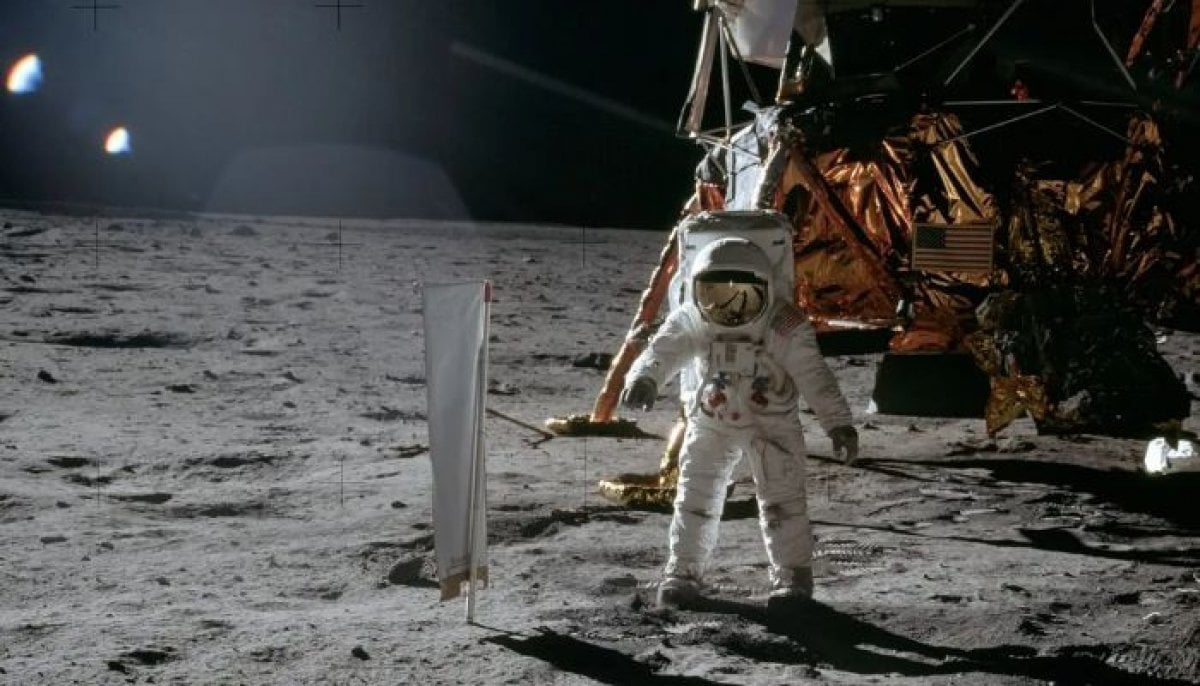
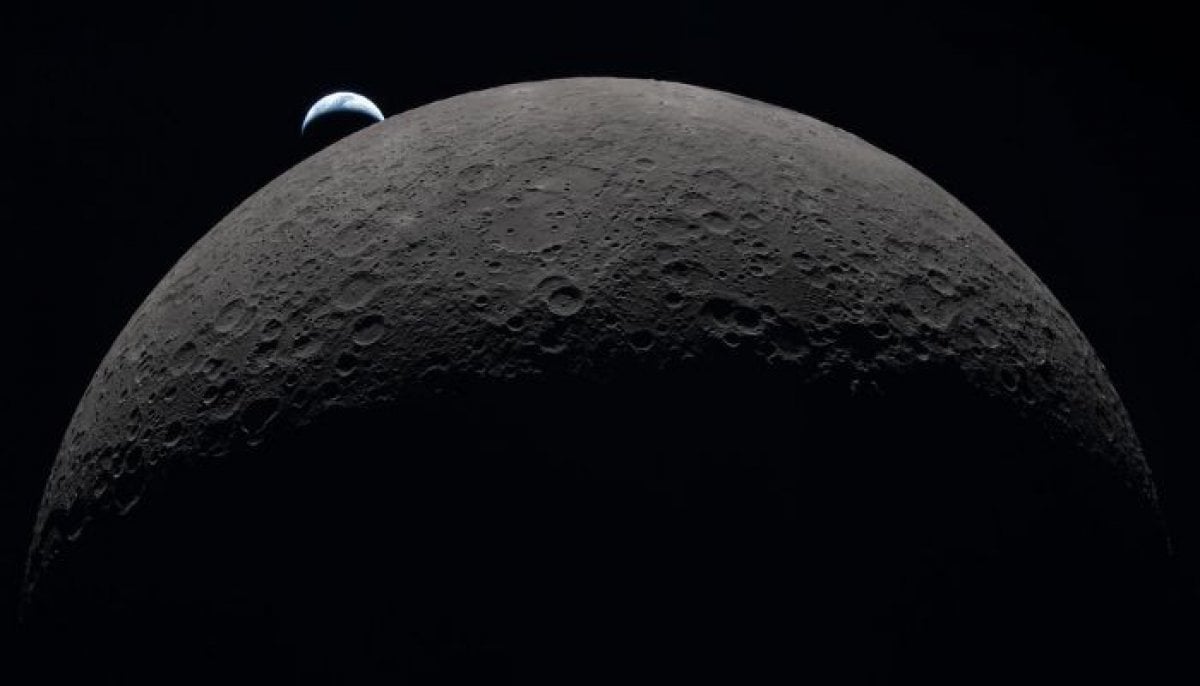
The Artemis II mission is crucial, opening avenues for new US crewed missions on the lunar surface as preparations intensify to send the first astronauts to Mars.






-
 Google DeepMind maps 9 billion human DNA mutations in major genetics breakthrough
 -
 'New' frog species discovered after hiding in plain sight for 100 years
 -
 Elon Musk, SpaceX eyes 1 million satellites for orbital data centers
 -
 Small asteroid to create fireball over ocean near Australia today: What to know
 -
 AI model flags possible cyclone near Hong Kong
 -
 First private rocket reaches orbit from Continental Europe as Isar Aerospace launches Spectrum
 -
 49 years of Voyager 1: The epic journey that took us beyond the solar system
 -
 Earth's next supercontinent could trigger mass extinctions, says scientists