Scientists uncover surprising link between 2.7 million-year-old climate tipping point & human evolution
Around 2.7 million years ago, Earth’s climate became significantly chaotic, leading to the expansion of Northern Hemisphere ice sheets
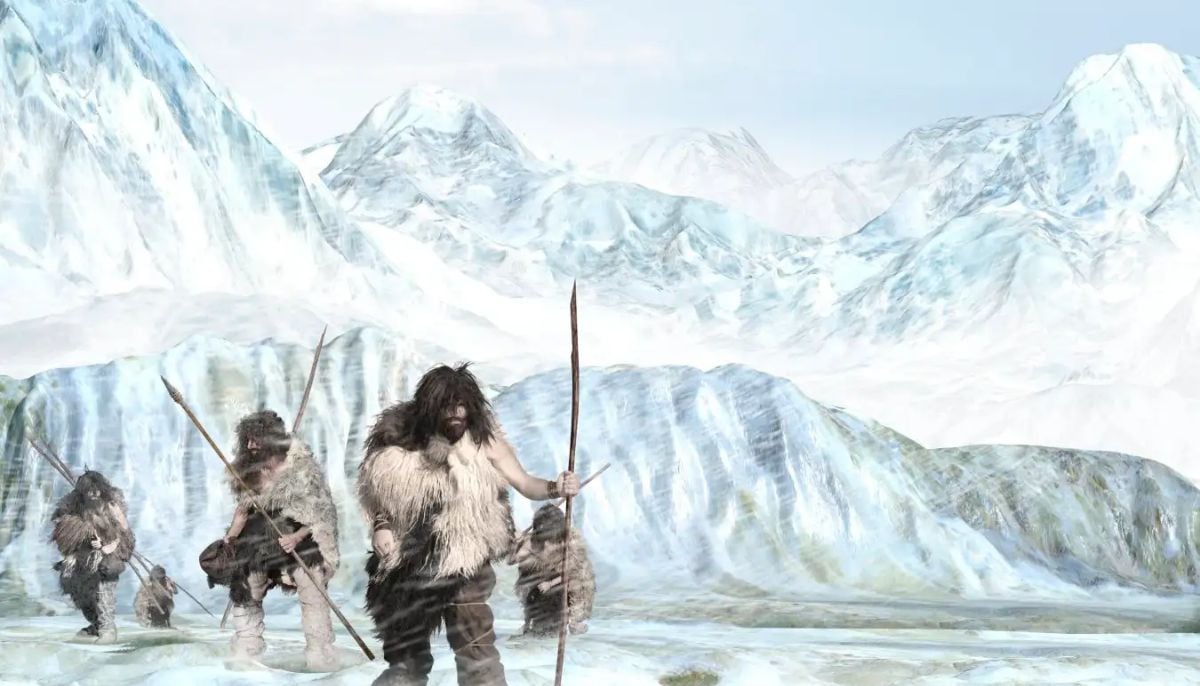
Scientists in a recent research study have uncovered a surprising link between the 2.7 million-year-old climate tipping point and human evolution.
The researchers led by the University of Cambridge analysed deep-sea sediment cores off the coast of Portugal to reconstruct 5.3 million years of climate history.
According to the findings published in the journal Science , around 2.7 million years ago, Earth’s climate became significantly chaotic, leading to the expansion of Northern Hemisphere ice sheets and onset of “cold snaps.”
According to Professor David Hodell from Cambridge’s Department of Earth Sciences, who led the research, “These events may have been harbingers of things to come because at 2.5 million years ago, we start to see a distinct pattern of multiple rapid swings in the Earth’s climate, on thousand-year timescales.”
As per results, abrupt climate flips only began once glaciation crossed a specific threshold where ice sheets were large enough and oceans sensitive enough to trigger instability. The researchers called this transition a “climate entering a sweet spot.”
This climate tipping point coincided with the emergence of humans, the genus Homo. Such a surprising discovery also suggests the potential role of climate swings in driving and shaping early human evolution.
The theory also suggests that early humans had to evolve higher intelligence and flexibility to survive the rapid changes in vegetation and environment caused by the cold snaps.
The recent study aims to broaden scientists’ understanding of climate science, unlocking the secrets of climate variability throughout the history of Earth.





-
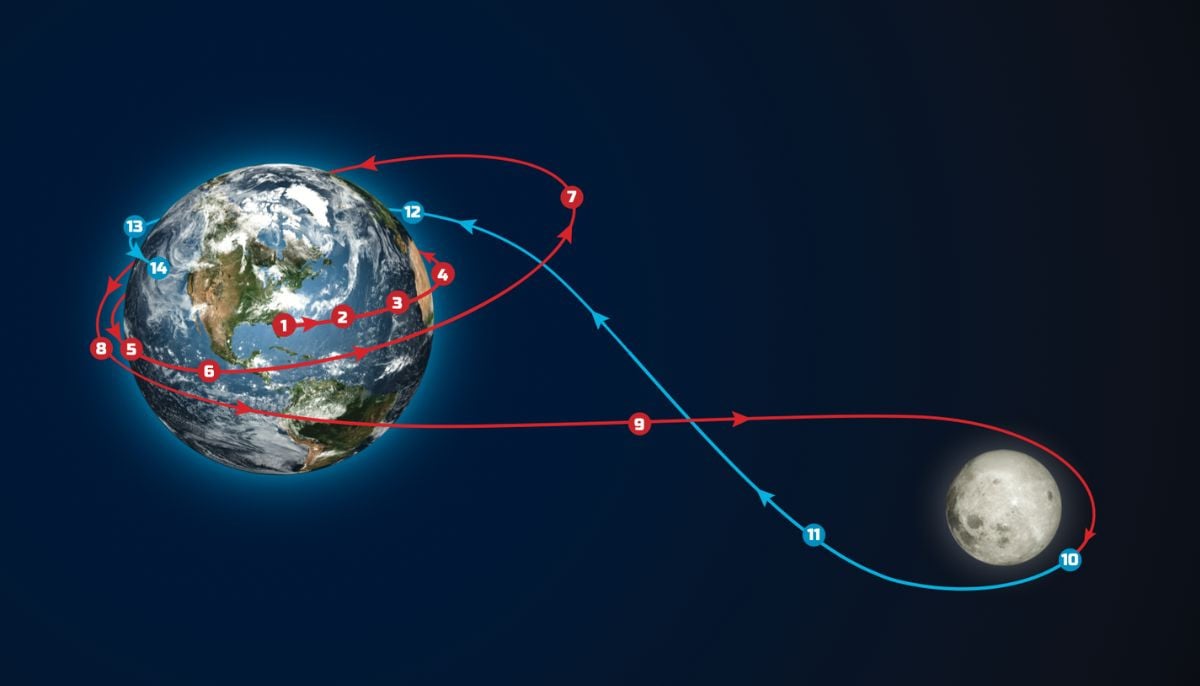 Why NASA Artemis II won’t take straight path to Moon: ‘Figure-8’ route explained
 -
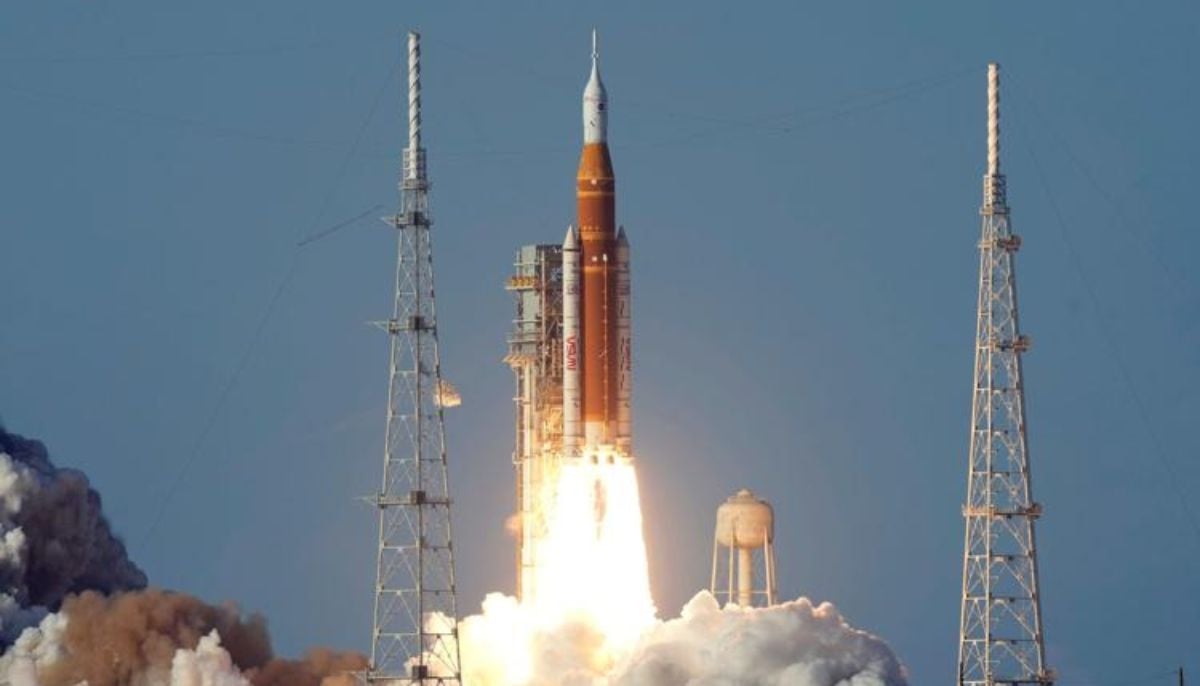 Even in space: NASA Artemis II astronauts hit Outlook glitch mid-mission
 -
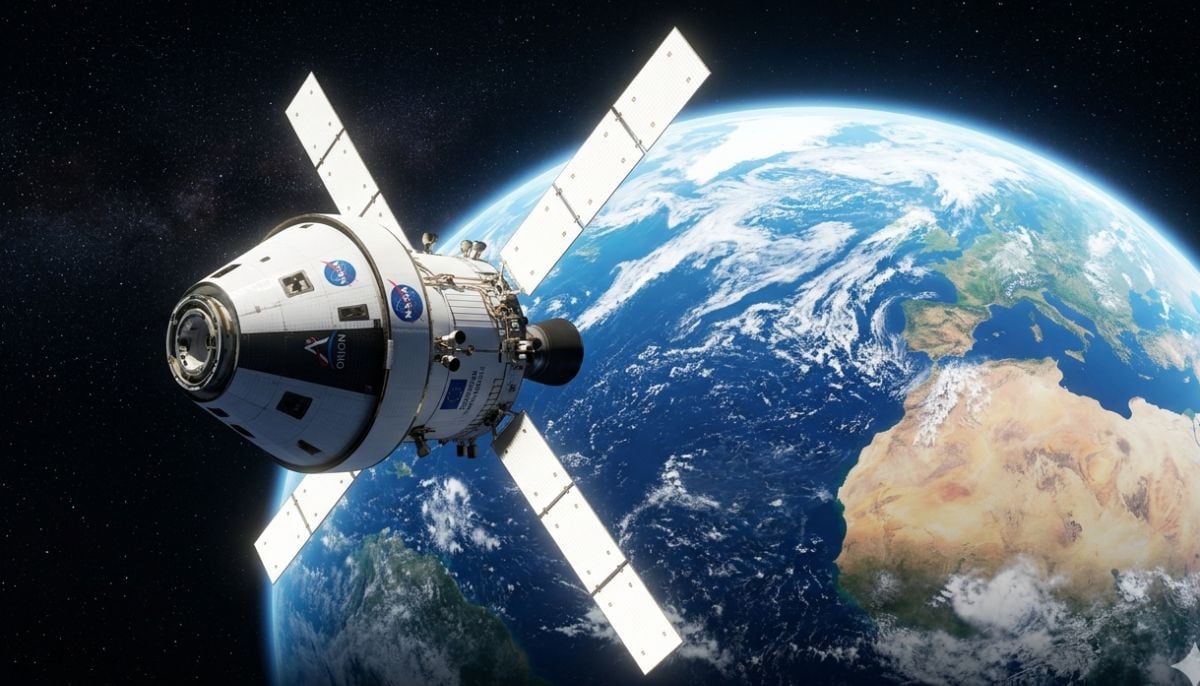 Artemis II hurtles ever closer to the lunar far side
 -
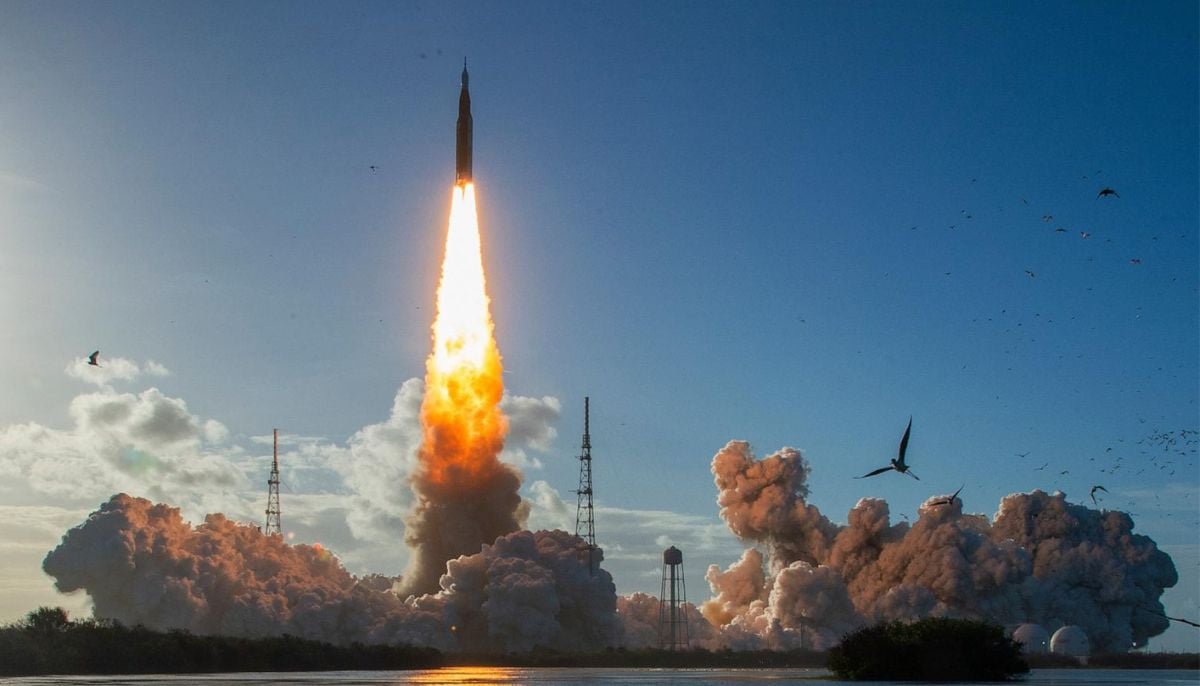 Where is Artemis II today? Here is everything to know about NASA’s journey to the moon
 -
 European Space Agency to negotiate with NASA on future lunar missions
 -
 SpaceX AI satellites plan raises doubts after Microsoft setback
 -
 NASA Artemis II lifts off, sending cubesats into deep space study
 -
 Could there be life on Mars? NASA Jared Isaacman claims chances are 90%