
Cotton output reflects mix of challenges, opportunities as season ends on dismal note
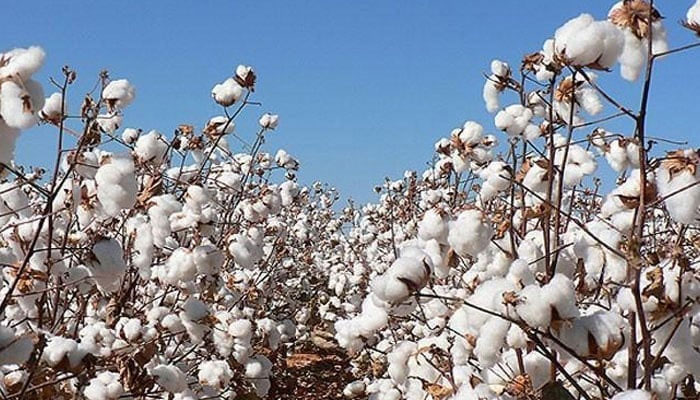
LAHORE: The 2024-25 cotton season has exposed a mix of challenges and opportunities, ending on a dismal note with one of the lowest production levels in the country’s history.
According to the latest data from the Pakistan Cotton Ginners Association (PCGA) as of February 28, the overall state of the cotton industry remains poor. Industry figures released on Monday indicate a sharp decline in total cotton arrivals, monthly flow and the number of operational factories.
Only 5.52 million bales have reached ginning factories across the country, reflecting a steep decline of 34.18 per cent compared to the same period last year. In contrast, total cotton arrivals for the entire previous season stood at 8.39 million bales, providing a benchmark for this year’s performance.
More alarmingly, the current season’s cotton output is among the lowest recorded in nearly four decades, excluding years impacted by severe flooding. The decline is largely attributed to a sharp fall in Punjab’s production, a province that previously contributed significantly to national output. This year, however, Punjab’s production lagged behind Sindh, despite the latter witnessing a substantial reduction in the area under cotton cultivation.
The latest figures show that cotton arrivals in Punjab were recorded at 2.71 million bales, a decrease of 36.48 per cent compared to the corresponding period last year, when arrivals stood at 4.27 million bales. Sindh reported 2.8 million bales, reflecting a decline of 31.78 per cent from 4.11 million bales in the previous year. Arrivals in Balochistan were recorded at 156,500 bales.
Exporters and traders purchased 46,700 bales, while the textile sector acquired a total of 5.11 million bales. The Trading Corporation of Pakistan (TCP) did not procure cotton during the 2024-25 season, as the government refrained from announcing an indicative price -- reportedly under pressure from the influential cotton processing industry.
The nationwide decline in cotton production is attributed to multiple factors, including the absence of quality seed from local ventures, rising input costs and a lack of government support for growers, particularly in the form of an intervention price.
Climate change, pest infestations and water shortages have also contributed to the downturn. A comparison with the previous year’s data highlights some troubling trends. The most concerning is the significant impact on the cotton value chain, as the number of operational factories continues to decline. This downturn is likely driven by high production costs and reduced profitability.







-
 Dua Lipa Wishes Her 'always And Forever' Callum Turner Happy Birthday
 -
 Police Dressed As Money Heist, Captain America Raid Mobile Theft At Carnival
 -
 Winter Olympics 2026: Top Contenders Poised To Win Gold In Women’s Figure Skating
 -
 Inside The Moment King Charles Put Prince William In His Place For Speaking Against Andrew
 -
 Will AI Take Your Job After Graduation? Here’s What Research Really Says
 -
 California Cop Accused Of Using Bogus 911 Calls To Reach Ex-partner
 -
 AI Film School Trains Hollywood's Next Generation Of Filmmakers
 -
 Royal Expert Claims Meghan Markle Is 'running Out Of Friends'
 -
 Bruno Mars' Valentine's Day Surprise Labelled 'classy Promo Move'
 -
 Ed Sheeran Shares His Trick Of Turning Bad Memories Into Happy Ones
 -
 Teyana Taylor Reflects On Her Friendship With Julia Roberts
 -
 Bright Green Comet C/2024 E1 Nears Closest Approach Before Leaving Solar System
 -
 Meghan Markle Warns Prince Harry As Royal Family Lands In 'biggest Crises' Since Death Of Princess Diana
 -
 Elon Musk Weighs Parenthood Against AI Boom, Sparking Public Debate
 -
 'Elderly' Nanny Arrested By ICE Outside Employer's Home, Freed After Judge's Order
 -
 Keke Palmer On Managing Growing Career With 2-year-old Son: 'It's A Lot'