
NPT must address disparities to uphold legitimacy: experts
Countries like Pakistan, despite demonstrating responsible nuclear behaviour, continue to face restrictions, says Naqvi

ISLAMABAD: Pakistan’s former ambassador to the International Atomic Energy Agency (IAEA) and Executive Director of the Center for International Strategic Studies (CISS) Ambassador Ali Sarwar Naqvi has called for making the Treaty on the Non-Proliferation of Nuclear Weapons (NPT) a more reliable and effective instrument of global nuclear governance by addressing issues eroding its credibility.
Speaking at a roundtable discussion titled “Strategic Stability in a Fragmented World: The Discriminatory Nature of the Global Nonproliferation and Disarmament Agenda,” organized by CISS in connection with the International Day for Disarmament and Non-Proliferation Awareness, he said, “The key challenge is to strengthen the NPT in a manner that upholds its credibility and effectiveness without perpetuating these disparities.” He emphasized that the treaty must be based on universally applied rules, be non-discriminatory, and address the security concerns of all countries to maintain its legitimacy.
Ambassador Naqvi noted that the treaty’s selective application, which allows exemptions for some states while imposing sanctions on others, has weakened its effectiveness. The distinction between de jure and de facto nuclear weapon states, he said, has reinforced its discriminatory nature where established nuclear states have not fully honoured their disarmament commitments. While countries like Pakistan, he said, despite demonstrating responsible nuclear behavior, continue to face restrictions. He stressed the need for addressing these disparities to uphold the NPT’s legitimacy and ensuring that it serves as a fair and universal mechanism for nuclear governance.







-
 King Charles Has A Good Reason For Not Seeng Harry In Montecito: 'Harry Knows How Things Are'
 -
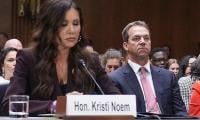 Kristi Noem's Husband Was Blackmailed By Hostile Intelligence Services?
 -
 Leonardo DiCaprio Makes Big Announcement After Oscar Date With Vittoria Ceretti
 -
 Andrew’s Hopes For Princess Beatrice, Eugenie's Royal Roles Crushed
 -
 King Charles’ Standing Is In Trouble: This Always Happens When A Monarch Is Terminally Ill
 -
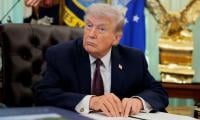 Trump Signals Possible US Exit From Nato, Claims Allies ‘weren’t There For Us’
 -
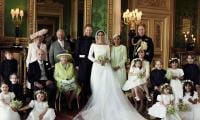 First Royal Family Wedding Of 2026 Confirmed After Andrew's Shocking Scandal
 -
 Experts Call On Google To Ban Youtube AI Videos For Kids
 -
 Comment: I’m Panicking That I’m Obsessed With 'Harry Potter' AI Videos
 -
 Could There Be Life On Mars? NASA Jared Isaacman Claims Chances Are 90%
 -
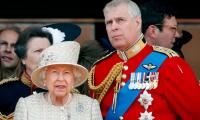 Queen Elizabeth Always Stood By Andrew Despite Epstein-linked Allegations
 -
 Apple Turns 50: Tim Cook Reflects On Five Decades Of Impact
 -
 Meghan Markle’s Receives Biggest Ever Dusting Down: No Common Sense!’
 -
 Tiger Woods, Girlfriend Vanessa Trump Relationship In Trouble: 'Kids Come First'
 -
 Kanye West Hit With Wild Warnings By Mystery Man As Video Explodes On April Fool's Day
 -
 Katie Price's New Decision About Lee Andrews Sparks Family Concern