
Experts explain how art and culture drive soft power in diplomacy
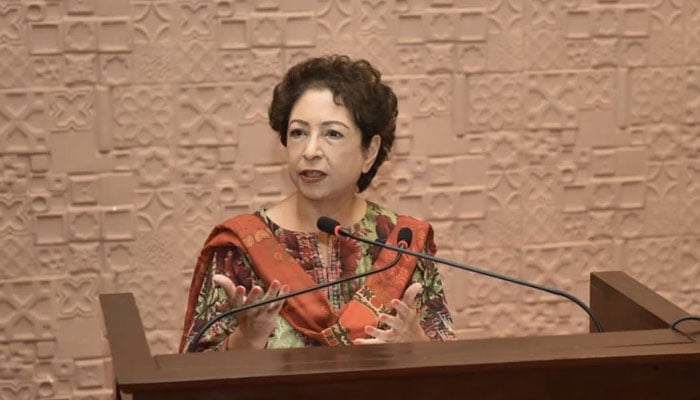
Islamabad:In a programme hosted by the Asian Study Group here on Wednesday, former diplomat Dr Maleeha Lodhi and historian Dr Dushka H. Saiyid explained how art and culture have historically been key elements of a nation's soft power, shaping international relations.
Dr Lodhi, who served as a permanent representative of Pakistan to the United Nations from 2015 to 2019, underscored the significance of cultural diplomacy in building bridges between countries.
She said that culture had the power to transcend borders and languages, allowing people to connect on a deeper level. "By sharing our cultural heritage, we foster greater understanding and empathy between nations. Sources of persuasive attraction must be incorporated to further foreign policy goals, playing a role in conflict resolution."
The former ambassador said that in the aftermath of conflict, art could be a powerful tool for healing and reconciliation. "By showcasing art and culture, we can promote cross-cultural understanding and cooperation," she said.
According to her, Harvard scholar Joseph Nye introduced the notion of soft power in the late 1980s, defining it as the ability to influence others through attraction, rather than coercion or economic incentives, with culture, political values, and foreign policy as its main sources.
Dr Lodhi said that soft power efforts were crucial to positively shape perceptions abroad and ensure that a country’s narrative is heard and accepted. She emphasised that for Pakistan, which had struggled with international image issues, it was crucial to focus on soft power to correct misperceptions and highlight its positive socioeconomic attributes and rich cultural heritage.
Dr Saiyid, a former chairperson of the Department of History at the Quaid-i-Azam University, Islamabad, noted that art and culture were "intangible ambassadors of national identity" with the power to break down cultural barriers.
"Art has a universal language that can be understood and appreciated by people from all walks of life. By promoting cultural exchange and understanding, we can help to rebuild trust and foster peace," she said.
As the conversation came to a close, both Dr Lodhi and Dr Saiyid emphasised the need for greater investment in cultural diplomacy and art initiatives. In a world where geopolitics and economic interests often dominate the headlines, the role of soft power in diplomacy could easily be overlooked, according to them.
They said that art and culture had long been seen as key players in shaping international relations and diplomacy, so by harnessing the power of those two essential facets, countries could build bridges, foster cooperation and promote peace and understanding in an increasingly interconnected world.







-
 Jesse Eisenberg Breaks Silence On Why He Is Staying In America Despite Hollywood Stars Fleeing
 -
 SpaceX Vaporised 260 Starlink Satellites In 6 Months
 -
 OPEC+ Boosts Oil Output Again As Strait Of Hormuz Exports Recover
 -
 UK: Nigel Farage Faces Scrutiny Over Undisclosed Funds Linked To Convicted Criminal
 -
 US Marks 250th Anniversary With Fireworks And Flyovers Amid Disruptions
 -
 Meghan Markle, Prince Harry Friend Breaks Silence About Archie, Lilibet Meeting With King Charles
 -
 Who Handpicked Main Star Of Legally Blonde Prequel Elle?
 -
 Researchers Uncover First Fully Autonomous AI Ransomware Attack
 -
 Study Reveals Human Cells That Compute Like Chips
 -
 Taylor Swift Fans Get Sweet Surprise Outside Madison Square Garden After Wedding
 -
 Taylor Swift Follows In Meghan Markle, Prince Harry’s Footsteps In Wedding With Travis Kelce
 -
 The Bear Taught Liza Colón-Zayas Powerful Lesson About Chasing Dreams
 -
 NSW Becomes Australia's Third State With Bird Flu
 -
 Nancy Guthrie Case Update: What We Know About The Ongoing Mystery
 -
 Piers Morgan ‘excited’ Over Prince Harry’s Final Decision About Lilibet, Archie
 -
 Taylor Swift’s Teacher-turned-bodyguard Remarks About Travis Kelce Come To Light After Their Wedding