
The saga of non-filers
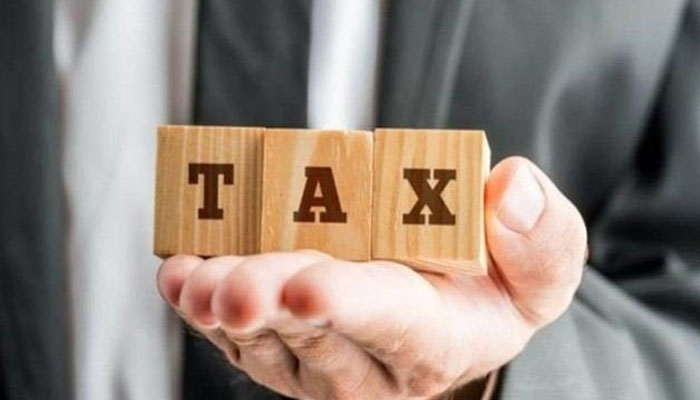
LAHORE: A bill recently presented in the National Assembly aims to restrict non-filers from purchasing property and vehicles, a move that mirrors similar policies already enforced in several countries. This article also explores the reasons behind the slow adjustment of prices despite declining inflation and reduced interest rates.
In many countries, non-filers are barred from buying property or vehicles, with property and vehicle purchases tied to proper tax compliance to curb money laundering and improve tax documentation. For example, in India, non-filers cannot purchase immovable property exceeding INR30 lakh (Rs11.4 million) or vehicles above certain thresholds. Before the distinction between filers and non-filers was phased out in Pakistan, non-filers were already restricted from buying property valued over Rs5 million and vehicles, although this law was not effectively enforced. Similarly, in Bangladesh, restrictions apply to high-value transactions without proper tax identification numbers.
In certain countries, non-filers cannot even open bank accounts. In India, a permanent account number (PAN) is mandatory to open a bank account, while in Pakistan, until now, documentation such as CNIC and tax identification numbers are required to open accounts, though enforcement varies. In the US, a social security number (SSN) or taxpayer identification number (TIN) is required for opening bank accounts. In the EU, anti-money laundering (AML) laws often require proof of tax compliance to open accounts.
The public often wonders why the sharp decline in inflation is not reflected in the prices of goods they buy. The time it takes for a drop in inflation to manifest in prices depends on several factors, including the structure of the economy, the causes of inflation, and how responsive markets are.
Generally, it takes 3-6 months for prices of goods tied to global markets, like oil or agricultural commodities, to adjust to declining inflation as their costs stabilise or decrease. Consumer goods typically show quicker price adjustments because they are directly impacted by changes in production costs and supply chain efficiencies.
In contrast, prices in services (eg rent, healthcare and education) are slower to adjust (6-12 months) because they are less influenced by raw material costs and more by wage dynamics. Existing contracts or wage agreements may delay inflation-related cost adjustments, affecting final consumer prices over the medium term. Goods and services with inelastic demand or long-term pricing structures (eg, real estate, utilities) take even longer to adjust, which could take 12-24 months. Businesses and consumers take time to perceive and respond to a lower inflation environment, especially if inflation expectations are deeply ingrained. Factors such as lengthy supply chains and logistical delays can also slow the transmission of declining inflation to prices. In competitive markets, price adjustments are quicker, as firms respond to lower costs to maintain market share. However, Pakistan’s market is not fully competitive due to cartel corruption and informality, which hinders this process.
Lower inflation can boost real disposable income, encouraging the consumption of both essential and luxury goods, potentially offsetting some revenue loss. With subdued inflation, individuals are less likely to move into higher tax brackets, which could limit progressive tax revenue growth.
Declining inflation increases consumers’ real income, leading to higher consumption and economic activity. Businesses benefit from reduced inflation expectations, which are often associated with lower interest rates, making borrowing cheaper for expansion. Stability in inflation also fosters long-term investments, especially in capital-intensive industries.
Similarly, the impact of declining policy rates on reducing costs typically takes 6-12 months to manifest, as businesses and consumers refinance loans and banks adjust lending rates. In economies with efficient monetary transmission mechanisms, the effect is faster (3-6 months). In countries like Pakistan, with structural inefficiencies, it may take longer due to a high reliance on informal credit markets and banking sector rigidity, which delays the pass-through of reduced rates to consumers and businesses.







-
 Shamed Andrew Master Plan To Make Princess Beatrice, Eugenie Working Royals
 -
 Oil Price Climbs To $108 As Escalating Iran Conflict Raises Fears Of Global Energy Crisis
 -
 Christian Bale Shares Two Cents On Viral Comparison Amid 'The Bride!' Release
 -
 Prince Harry To Face ‘unwelcome’ Behaviour If Eugenie Comes Over
 -
 Georgian Bay Ice Rescue Sees 23 Anglers Saved After Drifting Ice Leaves Them Stranded Offshore
 -
 Vivica A. Fox Reflects On Iconic Fight Scene With Uma Thurman In 'Kill Bill'
 -
 Priyanka Chopra Jonas Celebrates Women Who 'run' Her World
 -
 Sarah Michelle Gellar Marks Freddie Prinze Jr.’s 50th Birthday With Sweet Gesture
 -
 Shamed Andrew Slid In Forgiveness Plea For Prince William
 -
 Katy Perry, Justin Trudeau's Unexpected Relationship Opening World's Most Powerful Doors
 -
 Joe Burrow’s Text About Maxx Crosby Trade Sparks Furious Reaction From Ja'marr Chase
 -
 Rihanna 'faced' Attack By Shooter At Home In Beverly Hills
 -
 David Beckham Celebrates 'strong Women' In His Life
 -
 Tracy Morgan Opens Up About Life Perspective At 57
 -
 Viola Davis Reveals Personal Trauma Influenced Novel Judge Stone Key Character
 -
 Michigan Tornadoes Kill 6 Including Child As Powerful Storms Rip Through Midwest And Oklahoma