Preserving Swat’s bounty: Entrepreneur tackles food wastage, creates jobs
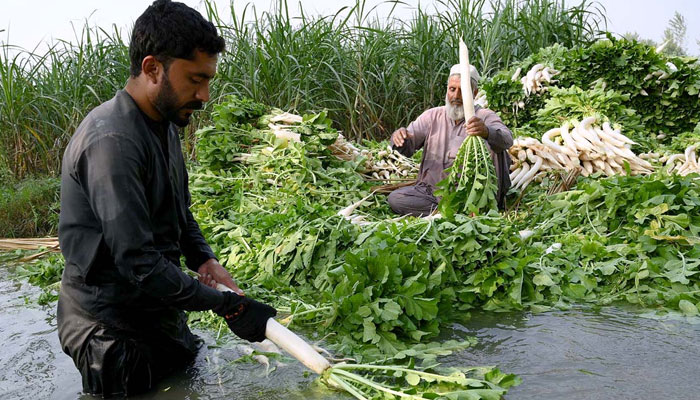
MINGORA: Asif Habib, a 27-year-old entrepreneur from Matta area of Swat district, has introduced a new method to preserve fruits and vegetables, significantly reducing waste while creating jobs for locals.
Habib established a factory, Fruit Zoo, where fruits and vegetables are preserved through advanced drying techniques, extending their shelf life.
Swat, known for its orchards, produces over 150 metric tons of fruit annually, with around 45-50% going to waste due to inadequate preservation methods. Habib’s initiative addresses this issue, ensuring that Swat’s produce is available year-round.
Fruit Zoo uses both natural sunlight and artificial drying methods to preserve fruits such as Japanese plums, apricots, peaches, and apples, along with vegetables like spinach, onions, tomatoes, and potatoes. The products are then supplied to local markets and other districts in the province.
Asif plans to expand his operations across the country and eventually into international markets.
Japanese plum cultivation in Swat spans approximately 5,000 acres, yielding about 50,000 tons annually. According to local farmers, 50-55% of this yield typically goes to waste.
Sultan Ali, a seasoned dried fruit vendor in Mingora, stated: “There’s a demand for Swat’s dried fruits, but we mostly stock dried fruits from Afghanistan and Gilgit-Baltistan. If we receive dried fruits from Swat, we will gladly sell them to meet customer demand.”
Ali added that Swat’s tourism could further boost demand for locally sourced dried fruits.
“Tourists often take dried fruits as souvenirs. By offering them Swat’s own dried produce, we could enhance their experience and support local businesses,” he added. Habib’s venture also responds to climate challenges impacting local crops. “The recent hailstorm and climate shifts damaged many crops, which motivated us to take action. We collect fruits from farmers, wash, cut, and dry them under sunlight or with machines,” he added. Sun drying takes about six days, while machine drying takes six hours.
To improve efficiency, Habib invested Rs2.2 million in machinery from Punjab, allowing for faster drying and reducing waste. The factory now employs around ten local workers who receive daily wages, and plans for expansion are underway.
Customer response has been encouraging, with profits exceeding 50%. Dried fruits from Fruit Zoo sell for Rs500 to Rs2,000 per kilogram in local markets and are especially popular among tourists.
Agriculture experts believe that initiatives like Fruit Zoo can reduce waste, create new industries, and provide a valuable boost to the national economy.







-
 Why Ashton Kutcher Is Still Talking About Whether He Showers
 -
 IMF’s World Economic Outlook: ‘Resilient’ 2026 Growth Expected Amid Tariffs & AI Boom
 -
 Find Out Early Subtle Signs That You Might Have Parkinson's Disease
 -
 Prince Harry Appears In High Spirit, Greets Supporters At London High Court
 -
 Kate Middleton, Prince William Left 'frustrated' For THIS Major Reason
 -
 Robert Irwin Reveals Relationship Status After 'DWTS' Romance Rumors
 -
 Relieve Eczema Symptoms This Winter With Simple Steps
 -
 Prince Harry Faces Marital Tensions As King Charles Offers Olive Branch
 -
 South Korea, Italy Strengthen Ties To Bolster AI Technology, Business, Defence Cooperation
 -
 Elon Musk Shares Crucial Advice As China’s Birth Rate Hits Record Low Since 1949
 -
 Kelly Clarkson Finally Quitting Morning Show?
 -
 'Confident' Prince Harry Breaks Silence After Returning To Britain
 -
 James Gunn Reveals What Caused Wonder Woman Casting Rumors
 -
 Tesla Emerges Early Winner As Canada Welcomes Chinese EVs: Here’s Why
 -
 New Hope For People With Obesity As Failed Drug Offers Cure
 -
 Prince Harry Considering ‘half-in, Half-out’ Royal Role Amid UK Trip?