New hope for people with obesity as failed drug offers cure
A failed drug might be the hope for millions of people with obesity
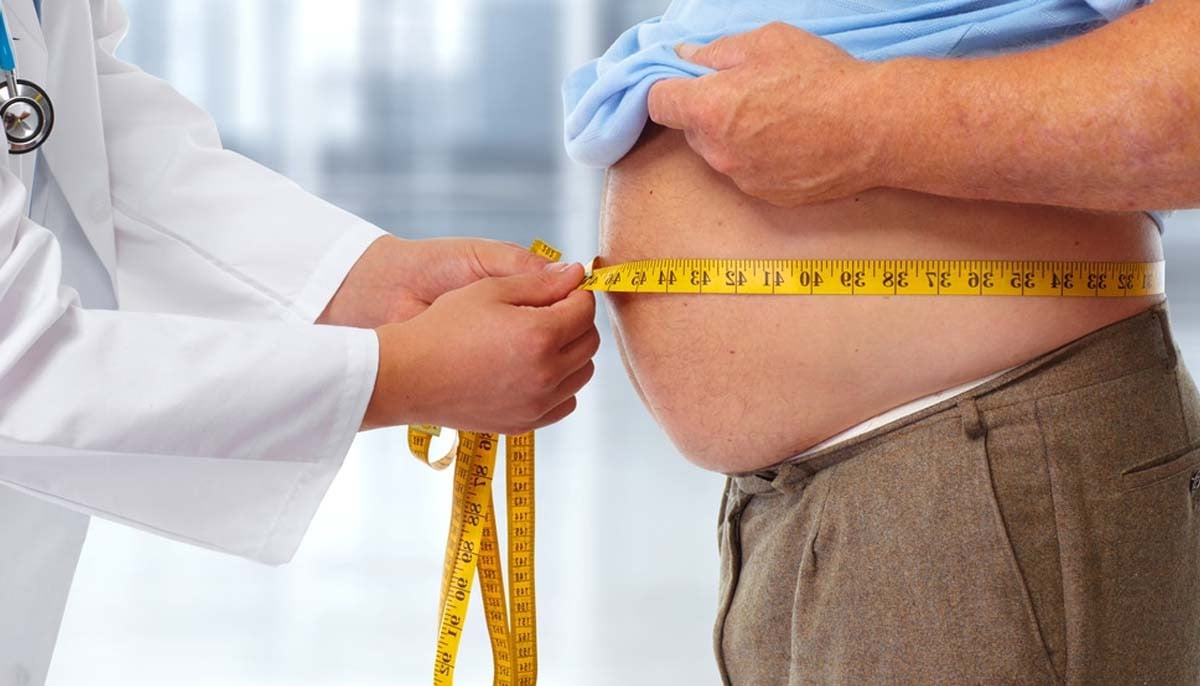
Obesity is one of the most common health issues in the world, which also triggers other diseases.
Prolonged obesity can increase the risk of suffering from different heart problems, strokes, type 2 diabetes and even some type of cancers.
Even though millions of people are affected, there are still very few safe and effective medicines to treat severe obesity.
However, scientists at Johns Hopkins Medicine have been studying a drug that was originally made to help people with Alzheimer’s disease, schizophrenia, and sickle cell disease.
Even though the drug did not work for those illnesses, but now researchers think it might help with obesity. This study was led by Dr. David Kass and published in the Journal of Clinical Investigation.
The drug works by blocking a protein in the body called PDE9, which helps control some important chemical reactions, including ones that affect the heart and how the body uses energy.
In studies with mice, blocking PDE9 helped lower obesity and fat in the liver, and even made their hearts healthier.
The most surprising part? The mice didn’t eat less or exercise more—yet they still lost weight and got healthier.
The idea came from research done back in 2015, when the same scientists found that PDE9 made heart problems worse when blood pressure was high. That made them wonder: could stopping PDE9 also help with other problems related to obesity?
The medicine they used is called a PDE9 inhibitor and works in a way that is similar to Viagra, which blocks a related protein called PDE5. Both control a chemical in the body known as cyclic GMP, which helps many important systems run smoothly.
This is important because obesity is so common as according to U.S. health data, more than 40% of adults in America are obese. Among women over 60, about 43% are affected.
If this new treatment works in people the same way it worked in mice, someone who weighs 250 pounds could lose about 50 pounds—just by taking a pill, without needing to change their food or exercise habits.
More studies and trials are needed to make sure the medicine works safely in humans. But if it does, this could be a huge step forward towards curing obesity.



-
 France steps up Ebola support in Congo as fears of resurgence grow
 -
 Vance’s fraud crackdown may raise health insurance costs for Americans
 -
 One common mistake elevates blood pressure readings by 7 points, study warns
 -
 Moderna loses US government license defense in patent case
 -
 Novo says new Ozempic shows lower cardiovascular risk compared with Lilly’s Mounjaro
 -
 University of Nottingham researchers say new gel could regrow tooth enamel in weeks
 -
 New Chinese drug extends stroke treatment window from hours to 2 days: study finds
 -
 Trump’s FDA nominee Heidi Overton defends vaccines, contradicting his claims