
Court wants KE to review loadshedding policy with compassionate lens
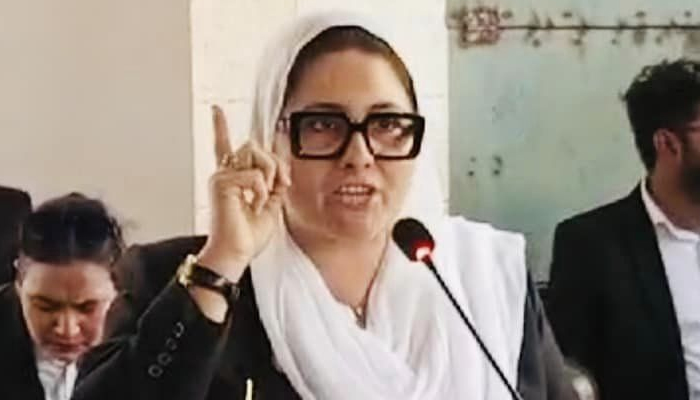
Dismissing an application seeking registration of a criminal case against K-Electric officials over prolonged loadshedding, a sessions court on Friday urged the National Electric Power Regulatory Authority (Nepra) and the power company to strike a balance between operational needs and the welfare of citizens when formulating and implementing power cut policies.
Hussan Bano, a lawyer, had filed the application under Section 22-A and -B of the Criminal Procedure Code, seeking directives for the Jackson SHO to record her statement and lodge a case against the power company’s top officials over 18 to 22 hours of loadshedding in Bhutta Village in Masaan, Keamari.
“In light of the jurisdictional limitations, this court is unable to grant the relief sought by the petitioner,” Additional Sessions Judge (West) Sohail Ahmed Mashori ruled. He, however, stressed “urgent need” for the authorities concerned and K-Electric to review their policies with compassionate lens and take appropriate steps to mitigate the suffering of the affected citizens.
“It must be noted that the Constitution of Pakistan, under Article 25, guarantees equality of all citizens before the law and prohibits any form of discrimination on the basis of social status, wealth or class. The Constitution upholds the fundamental rights of every citizen, ensuring that no person or community is subjected to unfair treatment or inequality. This court hopes that the relevant authorities will honour these constitutional guarantees when addressing the grievances of the most vulnerable sections of society,” the judge said.
He noted that the power to regulate and manage electricity distribution, including loadshedding, fell within the exclusive domain of Nepra that was empowered to set policies for loadshedding based on various factors, including recovery rates, and this court didn’t have jurisdiction to intervene in the operational matters of electricity distribution companies.
However, he added, the court could not overlook the tremendous suffering endured by citizens subjected to excessive loadshedding, especially in the context of climate change, which had exacerbated the frequency and intensity of heatwaves in the region.
“The residents of these slum areas are facing prolonged periods without electricity, rendering them helpless in dealing with extreme temperatures. The impact of these conditions on children, women, and the elderly is devastating, leading to worsened health outcomes, including heat strokes, dehydration, and other heat-related illnesses,” the judge highlighted.
“In addition, the loss of sleep caused by long hours of loadshedding is severely affecting students, office workers, and labourers. Sleepless nights impair cognitive functioning, reduce productivity, and hinder learning and development. Students, in particular, are struggling to concentrate in schools and colleges, and working professionals are finding it difficult to maintain efficiency at their workplaces. The ripple effects of sleeplessness and poor health due to loadshedding are detrimental to the overall well-being of the community.”
The judge urged Nepra and K-Electric to take these human factors into account when formulating and implementing load shedding schedules.
“A balance must be struck between operational needs and the welfare of the citizens, particularly in light of the impacts of climate change on their living conditions,” he said.
Earlier, the applicant contended that over the past few days, her area had been experiencing prolonged power outages of 18-12 hours. She said that when she contacted the company’s helpline, she was told that the electricity supply had been cut off due to non-payment of bills by some people in the locality.
The residents were facing immense difficulties due to power cuts, including water shortages, she added. On the other hand, K-Electric’s lawyer questioned the jurisdiction of the court to hear the case, stating that Nepra was empowered to determine and regulate loadshedding policies. He said loadshedding is carried out in the areas where recoveries are low as per Nepra’s directives and that the court lacks jurisdiction to pass any orders with regard to the management of loadshedding.







-
 Sarah Michelle Geller Shares How Husband Helped Her Reclaim Her Life
 -
 Shamed Andrew Lays Out Rules For Staff In New Home
 -
 Inside Nicole Kidman's Emotional Fallout, Keith Urban's Impulsive New Life Post Split
 -
 NASA Scientists Capture Brain-shaped Nebula Around Dying Star In Shocking Discovery
 -
 César Chávez Faces Shocking Allegations: What Are The Accusations Against Him That Could Upend His Legacy?
 -
 Kim Kardashian, Lewis Hamilton's First Priority In Relationship Revealed
 -
 Britney Spears' Son Jayden Takes Lead As Mother Recovers From DUI Arrest
 -
 Teyana Taylor Proves No Bad Blood With Amy Madigan With Thoughtful Gesture After Oscars
 -
 Zayn Malik Reveals If He's Team DC Or Marvel
 -
 Zendaya Breaks Silence On Her AI Wedding Photos
 -
 Sarah Michelle Geller On 'surprising' Career Pivot After Career Hiatus
 -
 Why Chris Pratt's Kids Have Never Seen Movies?
 -
 Kate Middleton Sends Deeper Message With Her St. Patrick Day Look
 -
 Carole Middleton Has Earned Right To Step Away From ‘guest’ Label
 -
 Baidu Joins China's OpenClaw Frenzy With New AI Agents In Latest Technology Push
 -
 Canada: Regulators Say Electricity Demand, Natural Gas Production To Accelerate By 2050