
Turkey repays Saudi loan, signals economic confidence
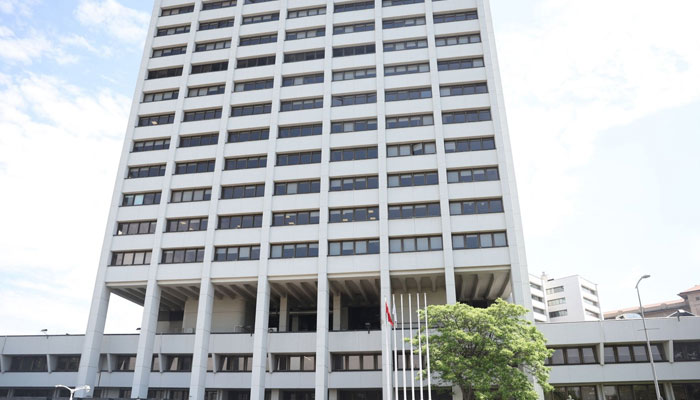
Turkey’s central bank took the milestone step of returning a $5 billion deposit from Saudi Arabia, signalling authorities’ confidence in their ability to restore foreign-exchange reserves without taking on debt from wealthy allies, reports Bloomberg.
Dramatically improved investor sentiment since an overhaul of Turkey’s economic team last year has led to strong demand for Turkish assets, stabilized the lira and prompted Deutsche Bank AG to say that buying lira-denominated bonds was the trade of the year in emerging markets. That shift has allowed the central bank to reduce its foreign-exchange liabilities at a record pace.
Since local elections on March 31, domestic investors have withdrawn $11.5 billion from government-backed accounts that promised to compensate investors for losses in foreign-currency terms, while foreign portfolio flows into Turkish equities and government debt reached $18 billion.
“Sign of confidence,” said Tim Ash, an emerging-markets strategist at RBC BlueBay Asset Management. “Turkey is moving to a much better underlying position with net reserves now positive.”
Bloomberg Economics estimates that the central bank added around $80 billion to its reserves in the second quarter alone. As of early July, net reserves, excluding swaps with commercial lenders, stood at approximately $15 billion, up from about negative $60 billion recorded before local elections in March.
The central bank’s reserves had come under intense scrutiny following a currency crisis in 2018, which authorities at the time tried to manage with backdoor exchange-rate interventions that depleted foreign reserves without succeeding in preventing the lira from dropping. Those interventions began to be replaced by more orthodox policies, including interest-rate hikes, last year.
“We have largely eliminated swaps with domestic banks and are now reviewing deposit agreements with international counterparts,” central bank Governor Fatih Karahan told Bloomberg in an interview this month.
Carry Trade
Still, a potential unwinding of carry trades or renewed local interest in foreign currencies could pose challenges to the monetary authority. The central bank, which has set its benchmark interest rate at 50 per cent, has committed to maintaining a tight monetary policy to tame inflation and keep lira assets attractive.







-
 24 Dead In Bangladesh After Bus Plunges Into River During Ferry Boarding
 -
 Dana Carvey Recalls Doing 'SNL' Creator Lorne Michaels' Impersonation: 'My First Reaction Is Terror'
 -
 Everything We Know About Taylor Swift And Travis Kelce Honeymoon Plans
 -
 Metformin’s Hidden Brain Pathway Uncovered After 60 Years
 -
 How Dogs Became Man’s Best Friend 15,800 Years Ago: New Study Reveals
 -
 Prince Harry And Meghan Markle Respond To Major Meta And YouTube Ruling
 -
 Why Josh Duhamel Believes His Fans Will Be 'alienated' If He Talks Politics
 -
 Melania Trump Appears With Humanoid Robot At White House
 -
 ‘Addictive By Design’: Meta, YouTube Found Liable In Historic Verdict
 -
 Bruce Willis' Mom Marlene Makes Another Family Amid Son's Battle With Dementia
 -
 Roblox Safety Warning For Parents: Developer Says Kids Need 24/7 Monitoring
 -
 Chelsea Handler Explains Why She Dates Younger Men
 -
 Chappell Roan's Security Guard Takes 'full Responsibility' For His Interaction With Jorginho's Daughter?
 -
 Rosalía Cuts Concert Short Over Sudden Illness, Fans Shocked
 -
 'Buffy' Star Nicholas Brendon's Death Case Takes Massive Turn
 -
 FKA Twigs Takes Legal Stand Against Ex Shia LaBeouf