
Saudi Arabia executed over 100 people this year
Saudi authorities resumed executions for drug-related offences at the end of 2022 after a hiatus of nearly three years
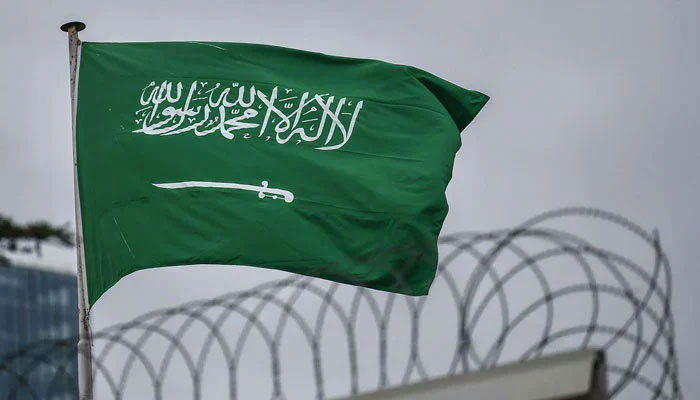
DUBAI: Saudi Arabia executed two people convicted of drug trafficking, the interior ministry said Thursday, bringing the total number of executions carried out this year to at least 106, according to an AFP tally.
The official Saudi Press Agency reported the ministry´s announcement, saying one was a Saudi national executed for trafficking amphetamines, and the other a Pakistani for trafficking heroin, both in Makkah.
Saudi authorities resumed executions for drug-related offences at the end of 2022 after a hiatus of nearly three years. Seven of the 106 executions recorded this year have been for drug-related offences, according to the AFP tally, based on official data.
In 2023, the authorities executed at least 170 people, including 33 accused of terrorism-related crimes. At this point last year, the Gulf kingdom had executed at least 74 people.
On Monday, the Berlin-based European-Saudi Organisation for Human Rights condemned Saudi Arabia for carrying out “one execution almost every two days”. “One hundred executions in 196 days demonstrates the Saudi government´s insistence on using the death penalty extensively, in violation of international laws and its official commitments,” it said in a statement.
Those executed this year include 78 Saudis, eight Yemenis, five Ethiopians, seven Pakistanis, three Syrians, and one individual each from Sri Lanka, Nigeria, Jordan, India and Sudan, according to the rights organisation and AFP´s tally. Two of them were women.
Saudi Arabia had executed more people in 2023 than any other country besides China and Iran, Amnesty International said in its annual report on the death penalty for that year.
The kingdom, notorious for beheadings, drew a wave of condemnation from around the world when it executed 81 people in a single day in March 2022.
The authorities deem the executions to be compatible with Sharia law -- the Islamic legal code based on the teachings of the Quran -- and necessary to “maintain public order”.
Crown Prince Muhammad bin Salman is seeking to transform the image of the world´s biggest crude oil exporter in a bid to draw in tourists and investors. Yet activists say the kingdom´s continued embrace of capital punishment undermines the image of a more open, tolerant society that is central to Prince Muhammad´s Vision 2030 reform agenda.






-
 Jelly Roll Explains Living With 'severe Depression'
 -
 Charli XCX Applauds Dave Grohl’s 'abstract' Spin On Viral ‘Apple’ Dance
 -
 Anna Sawai Opens Up On Portraying Yoko Ono In Beatles Film Series
 -
 Eric Dane's Wife Rebecca Gayheart Shares Family Memories Of Late Actor After ALS Death
 -
 Palace Wants To ‘draw A Line’ Under Andrew Issue: ‘Tried And Convicted’
 -
 Eric Dane's Girlfriend Janell Shirtcliff Pays Him Emotional Tribute After ALS Death
 -
 King Charles Faces ‘stuff Of The Nightmares’ Over Jarring Issue
 -
 Sarah Ferguson Has ‘no Remorse’ Over Jeffrey Epstein Friendship
 -
 A$AP Rocky Throws Rihanna Surprise Birthday Dinner On Turning 38
 -
 Andrew Jokes In Hold As BAFTA Welcomes Prince William
 -
 Sam Levinson Donates $27K To Eric Dane Family Fund After Actor’s Death
 -
 Savannah Guthrie Mother Case: Police Block Activist Mom Group Efforts To Search For Missing Nancy Over Permission Row
 -
 Dove Cameron Calls '56 Days' Casting 'Hollywood Fever Dream'
 -
 Prince William, Kate Middleton ‘carrying Weight’ Of Reputation In Epstein Scandal
 -
 Timothée Chalamet Compares 'Dune: Part Three' With Iconic Films 'Interstellar', 'The Dark Knight' & 'Apocalypse Now'
 -
 Little Mix Star Leigh-Anne Pinnock Talks About Protecting Her Children From Social Media