
Heatwave in Karachi: HRCP alarmed by ‘568 deaths’
Pakistan can no longer afford treating the climate crisis as a distant problem
LAHORE: On this International Day in Support of Victims of Torture, the HRCP has called on the state to operationalize its anti-torture legislation by instituting the mechanisms necessary to report and address instances of custodial torture, with ample financial, human and technical resources allocated.
In a handout issued on Wednesday, the HRCP said the passage of the Torture and Custodial Death (Prevention and Punishment) Act in November 2022 ? analysed in our Legislation Watch Cell Series here: https://tinyurl.com/2hchhsz8 ? marked a critical step in upholding the rule of law by defining and criminalising torture. However, the implementation of this landmark act has remained at a standstill with the act’s rules of business pending till date, a shocking lapse in the state’s responsibility towards its citizens which must be rectified. Such unreasonable delays only embolden perpetrators to continue inflicting torture with unfettered impunity. This act must be made functional with its rules and mechanisms instituted at once.
Moreover, there must be a concentrated effort to reform political and social norms that covertly sustain or encourage custodial torture by training law enforcement bodies and increasing mass awareness about citizens’ right to freedom from torture. Such progressive legislation can only be effective if supported by a robust criminal justice system that operates with integrity and an explicit commitment to ending torture at all levels.
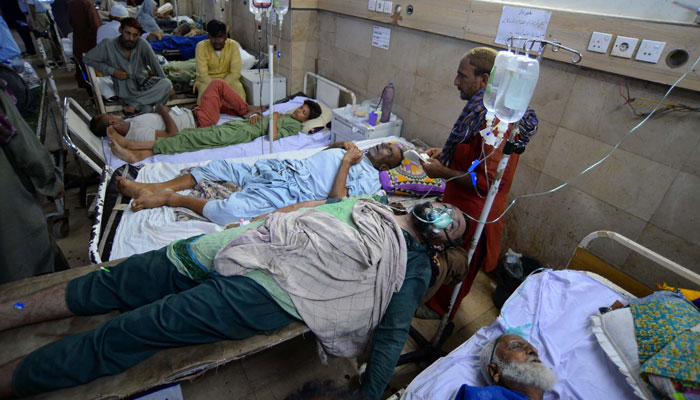
Meanwhile, the HRCP said it was alarmed by reports from the Edhi Foundation indicating that an estimated 568 people died in Karachi as a result of heatwave-induced illnesses in the last five days alone. Given the increasing frequency of extreme weather events and the scale of the impact, Pakistan can no longer afford treating the climate crisis as a distant problem. All three tiers of government ? federal, provincial and local ? must respond urgently to the situation and institute measures to prevent such deaths in the future. This should include setting up emergency roadside camps, cooling centres and public access to potable water. Local hospitals, clinics and charities must be on alert to receive and treat victims of heat exhaustion, especially daily-wage workers.
“We also urge the Sindh government to compensate the families of the deceased. In the long term, the government must also invest in affordable low-carbon cooling technologies and practices, and reimagine its infrastructure development priorities in a way that prevents heat buildup, including public green spaces and public transport,” the HRCP said.







-
 Andrew, Sarah Ferguson Refuse King Charles Request: 'Raising Eyebrows Inside Palace'
 -
 Adam Sandler Reveals How Tom Cruise Introduced Him To Paul Thomas Anderson
 -
 Washington Post CEO William Lewis Resigns After Sweeping Layoffs
 -
 North Korea To Hold 9th Workers’ Party Congress In Late February
 -
 All You Need To Know Guide To Rosacea
 -
 Princess Diana's Brother 'handed Over' Althorp House To Marion And Her Family
 -
 Trump Mobile T1 Phone Resurfaces With New Specs, Higher Price
 -
 Factory Explosion In North China Leaves Eight Dead
 -
 Blac Chyna Opens Up About Her Kids: ‘Disturb Their Inner Child'
 -
 Winter Olympics 2026: Milan Protestors Rally Against The Games As Environmentally, Economically ‘unsustainable’
 -
 How Long Is The Super Bowl? Average Game Time And Halftime Show Explained
 -
 Natasha Bure Makes Stunning Confession About Her Marriage To Bradley Steven Perry
 -
 ChatGPT Caricature Prompts Are Going Viral. Here’s List You Must Try
 -
 James Pearce Jr. Arrested In Florida After Alleged Domestic Dispute, Falcons Respond
 -
 Cavaliers Vs Kings: James Harden Shines Late In Cleveland Debut Win
 -
 2026 Winter Olympics Snowboarding: Su Yiming Wins Bronze And Completes Medal Set