Groundbreaking treatment for sepsis emerges in new study
Globally, many people die from sepsis, especially the patients infected with tuberculosis and HIV
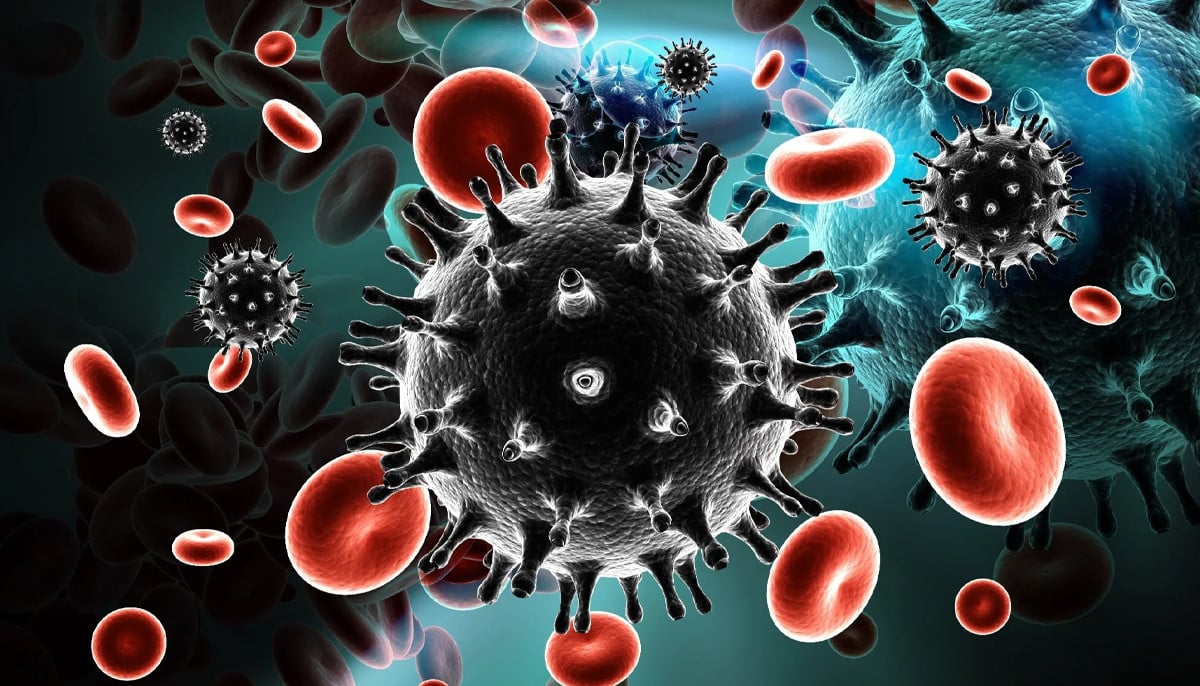
Blood infection, medically known as sepsis, is one of the leading causes of death, because the body’s response to infection damages tissue and causes organs to fail.
Africa has the world's highest number of sepsis patients, with an estimated 48 million cases each year leading to about 11 million deaths. People living with HIV face the greatest risk of dying from this condition.
A new study has found that tuberculosis, a chronic bacterial lung disease, is a major and long-overlooked cause of deadly sepsis among people living with HIV.
An associated Phase 3 clinical trial called the ATLAS study found that starting tuberculosis (TB) treatment immediately, even before a TB diagnosis is confirmed, could significantly reduce sepsis deaths among HIV patients.
The study and ATLAS trial were conducted by Tulane University and University of Virginia in collaboration with Mbarara University in Uganda and the Tanzania's Kibong'oto Infectious Diseases Hospital, among others. The findings of the study and clinical trial were published in Lancet E-Clinical Medicine and Lancet Infectious Disease, respectively.
"Our analysis of the clinical trial results found that Mtb (the bacteria that causes TB) is a much more common cause of sepsis that we thought," said Dr. Eva Otoupalova, an assistant professor of Pulmonary and Critical Care Medicine at Tulane University School of Medicine, who co-led the study and was also an author on the ATLAS trial.
"Usually, anti-TB treatments are reserved for those diagnosed with TB. We found that, in African hospitals where HIV and TB are a common co-infection, patients with sepsis may benefit from being given anti-TB medications as soon as possible,” the expert added.
In the follow-up study examining the outcomes of the trial, Mtb was the most common pathogen, detected in 52% of HIV-related sepsis patients.
Dr. Eva said, “Previous studies have shown that TB can cause sepsis, however those studies are few, and I don't think we realized how high the prevalence is. Our analysis also found that our diagnostic tools are missing a lot of TB-sepsis, which is impactful if anti-TB treatment is only given to those diagnosed with the disease."
It's been known that TB can be difficult to detect in children, the elderly, those with HIV and those with pulmonary TB, all of which are cases where sputum needed for testing is more difficult to obtain. However, the researchers found that combined urine and sputum testing missed 32% of Mtb bloodstream infections.
These findings highlight the need for both earlier treatment and improved TB diagnostic tools.
"These studies underscore two things: First, we successfully intervened in TB-related sepsis, and second, we used every rapid test available and found that they just don't detect all of the Mtb," Dr. Eva Otoupalova concluded.



-
 Who is Song Li? China puts her forward for WHO leadership role
 -
 CDC monitors travelers from Siberia after plague worker’s death, director says
 -
 Russia pushes back on plague death reports, defends WHO notification
 -
 WHO deems Russia plague risk 'low' following lab technician’s fatal illness
 -
 New York declares Measles state of emergency amid nationwide disease resurgence
 -
 First-of-its-kind treatment shrinks unborn baby’s tumour before birth
 -
 France steps up Ebola support in Congo as fears of resurgence grow
 -
 Vance’s fraud crackdown may raise health insurance costs for Americans
-
 One common mistake elevates blood pressure readings by 7 points, study warns
 -
Moderna loses US government license defense in patent case
-
Novo says new Ozempic shows lower cardiovascular risk compared with Lilly’s Mounjaro
-
University of Nottingham researchers say new gel could regrow tooth enamel in weeks