
Rs120 billion profit boost for tobacco industry in Finance Bill 2024-2025 criticised
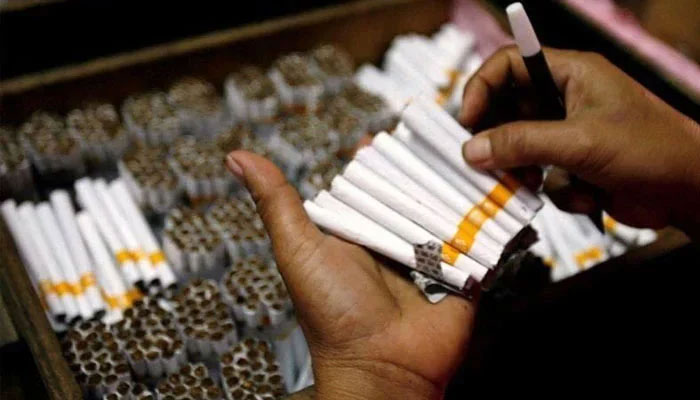
Islamabad:The recent deliberations on the Finance Bill for the fiscal year 2024-2025 by the Finance Standing Committee have sparked controversy with significant implications for public health and fiscal policy. The bill introduces a startling Rs120 billion profit boost for the tobacco industry by raising the cut-off price for low-tier tobacco brands from Rs125 to Rs177. This move is projected to enhance profitability within the tobacco sector but has drawn sharp criticism for neglecting potential revenue streams crucial for healthcare and public welfare.
Renowned tobacco control activist Malik Imran Ahmed expressed dismay, stating, “The decision to bolster profits for the tobacco industry through increase in tax slabs not only undermines public health efforts but also squanders a critical opportunity to alleviate the economic burden on citizens.” Arooj Rajput, Focal Person of the Tobacco Control Campaign at Human Development Foundation (HDF), echoed these concerns, emphasising, “At a time when healthcare costs are soaring, the government's choice to forego potential revenue from tobacco taxes is deeply troubling. This revenue could have been pivotal in reducing sales taxes on essential drugs and easing the financial strain on staple food items and energy units, directly benefiting the public.”
Experts estimate that maintaining existing price slabs while increasing taxes could have generated substantial additional revenue. These funds could have played a crucial role in alleviating financial burdens on the public, potentially reducing costs on essential goods and redirecting resources towards healthcare, thereby improving public health outcomes. In contrast, recent amendments under the Finance Bill 2024-2025 have eliminated reduced sales tax rates on pharmaceutical products, now subjecting them to a standard rate of 18 percent. Furthermore, exemptions for goods supplied in bulk to charitable hospitals and those imported by non-profit hospital facilities have been rescinded, potentially hampering their ability to provide essential healthcare services effectively.
Malik Imran Ahmed underscored the missed opportunity, remarking, “By choosing to favour the tobacco industry over public health and welfare, the government is setting a dangerous precedent. The economic toll of tobacco-related illnesses already amounts to a staggering PKR 615 billion annually, underscoring the urgency of prioritizing healthcare funding over corporate interests."
The decision has raised alarms among healthcare advocates and the general public alike, who fear its long-term ramifications on public health and economic stability. As discussions on the Finance Bill progress, stakeholders continue to call for a reconsideration of policies that prioritize short-term industry gains over the broader public interest.


