
Pakistan loses over Rs700bn to illegal trade annually: report
Report underscored impact of Pakistan’s economic challenges, including a high inflation rate of 25 percent
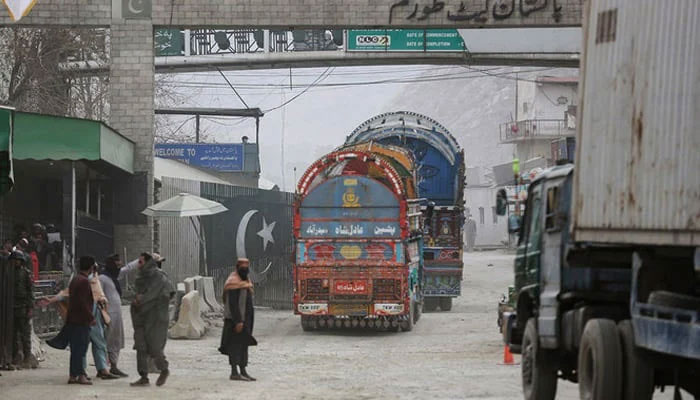
ISLAMABAD: An international report launched on Monday revealed that illicit trade in major sectors is causing a staggering loss of over Rs700 billion to Pakistan’s national economy annually, while also undermining the profitability of the formal sector.
The report, presented by Jeff Hardy of the Transnational Alliance to Combat Illicit Trade (TRACIT), highlighted how illicit trade contributes to corruption, money laundering, and tax evasion in Pakistan.
During the report’s launch event, hosted by the Policy Research Institute of Market Economy (PRIME), policy recommendations were presented to government and industry stakeholders. The report underscored the impact of Pakistan’s economic challenges, including a high inflation rate of 25 percent. The steep rise in prices has severely impacted consumer purchasing power, driving the demand for illicit goods.
“Record high inflation exacerbates the problem,” stated TRACIT Director-General Jeff Hardy. “When prices outpace incomes, consumers turn to illicit products for cheaper alternatives,” he added.
Dr. Ali Salman, Executive Director of PRIME, emphasised that high taxes and tariffs fuel a $68 billion black-and-grey market in Pakistan, exacerbated by soaring inflation. The report identified key sectors affected by illicit trade, including food fraud, illicit pesticides, counterfeiting, and trade in substandard pharmaceuticals. Approximately 40 percent of medicines in Pakistan are estimated to be counterfeit or substandard.
Efforts to curb illicit trade in pesticides have shown promise, with recent government seizures and initiatives by the Department of Plant Protection. Cigarette smuggling is rampant, with over half of cigarettes sold in Pakistan evading taxes, leading to annual revenue losses of USD 860 million. Strengthening enforcement and track-and-trace systems can help mitigate tax evasion.
Counterfeiting, previously dominated by imports, has seen a surge in local production, exacerbating the issue. A comprehensive approach to tackling counterfeiting is essential for Pakistan’s economic revival.
Mr. Hardy emphasised the need for robust enforcement against smuggling, money laundering, and tax evasion, which have plagued Pakistan’s economy for years. Tax evasion amounts to six percent of GDP, with illicit trade in various sectors contributing significantly. Enhanced enforcement and tax collection mechanisms are vital for economic stability and debt sustainability. Tracit and Prime signed an MoU to collaborate in combating illicit trade, including conducting in-depth investigations into its impact on the Pakistani economy.







-
 Andrew, Sarah Ferguson Refuse King Charles Request: 'Raising Eyebrows Inside Palace'
 -
 Adam Sandler Reveals How Tom Cruise Introduced Him To Paul Thomas Anderson
 -
 Washington Post CEO William Lewis Resigns After Sweeping Layoffs
 -
 North Korea To Hold 9th Workers’ Party Congress In Late February
 -
 All You Need To Know Guide To Rosacea
 -
 Princess Diana's Brother 'handed Over' Althorp House To Marion And Her Family
 -
 Trump Mobile T1 Phone Resurfaces With New Specs, Higher Price
 -
 Factory Explosion In North China Leaves Eight Dead
 -
 Blac Chyna Opens Up About Her Kids: ‘Disturb Their Inner Child'
 -
 Winter Olympics 2026: Milan Protestors Rally Against The Games As Environmentally, Economically ‘unsustainable’
 -
 How Long Is The Super Bowl? Average Game Time And Halftime Show Explained
 -
 Natasha Bure Makes Stunning Confession About Her Marriage To Bradley Steven Perry
 -
 ChatGPT Caricature Prompts Are Going Viral. Here’s List You Must Try
 -
 James Pearce Jr. Arrested In Florida After Alleged Domestic Dispute, Falcons Respond
 -
 Cavaliers Vs Kings: James Harden Shines Late In Cleveland Debut Win
 -
 2026 Winter Olympics Snowboarding: Su Yiming Wins Bronze And Completes Medal Set