
Pakistan’s ostrich syndrome
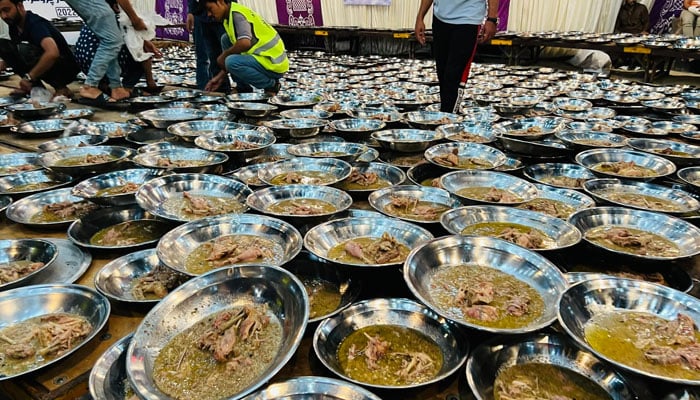
Since the advent of numerous private TV channels in Pakistan, the holy month of Ramazan has increasingly become a focal point for business endeavours. Initially, the top TV channels engaged in competitive programming featuring Sehri and Iftar shows, blending religious fervour with game shows. Over time, the landscape evolved to include ‘langars’ (free food distribution platforms) operated by NGOs and builders.
While traditional ‘langars’ at shrines have long been established, the recent proliferation of street-side outlets and their widespread promotion on social media has sparked criticism.
Recently, a Karachi-based NGO’s ‘langarkhana’ attracted public outcry for offering extravagant foods like ostrich and yak meat. Critics argue that the funds spent on such luxury items could instead feed thousands of people for weeks. This lavish approach is seen as either a display of the affluent elite’s vanity or an attempt to launder illicit funds, or possibly both. Ironically, this situation reflects the ‘ostrich syndrome’, wherein individuals and societies avoid confronting uncomfortable realities by burying their heads, thereby exacerbating existing issues.
The vast disparity between Pakistan’s mandated minimum wage of Rs32,000 per month for eight-hour workdays and its enforcement is disheartening. Even those hosting charity events like ‘langars’ often neglect to pay fair wages to their employees, including guards, drivers, and maids.
According to an estimate, only 0.3 per cent of Pakistan’s population reads English newspapers. Since you are reading it now, just pause and reflect on the wages you provide to your driver, maid, and other servants. If these wages do not align with the government-mandated minimum wage, and if these individuals are not granted essential privileges such as leave and healthcare, then we are confronting a form of modern slavery that lurks behind the facade of charitable displays on the streets of Pakistan.
Ironically, even religious figures, often advocating for modest living, have been found to amass considerable wealth. A recent headline stirred discussions as a court assessed a staggering Rs5 billion in the account of a prominent ‘mufti’ from Karachi amidst an heirship dispute. Additionally, some of these figures have ventured into fashion brands and are known for their extravagant lifestyles.
The stark disparity in wages is only one facet of the pervasive injustice faced by servants at the hands of the elite. Numerous media reports shed light on the egregious mistreatment suffered by these individuals, including instances of physical abuse, rape, and even homicide, particularly targeting underage children.
The tragic case of Fatima Phuriro in Ranipur, Sindh, serves as a poignant illustration. Fatima, a nine-year-old girl employed as a maid by a prominent figure, was tragically discovered dead in his bedroom. Subsequent investigations uncovered a harrowing tale of repeated rape and torture inflicted upon her.
Similarly, the appalling ordeal of a 14-year-old maid allegedly tortured by a civil judge’s wife in Islamabad drew widespread attention. The severity of the abuse inflicted multiple internal injuries, leaving the victim fighting for her life in the ICU of Lahore General Hospital and necessitating facial reconstruction surgery. These distressing incidents, such as the torture and death of an eight-year-old girl by her employers in Rawalpindi in 2020, reveal the darker reality behind charity exhibitions.
Regrettably, such atrocities persist, with many cases going unreported, leaving countless impoverished servants deprived not only of fair wages but also of basic dignity and respect. Despite legal prohibitions against child labour, SPARC NGO estimates that approximately 12 million child workers in Pakistan endure various forms of exploitation, including sexual.
Moreover, disturbingly, reports indicate little distinction in treatment between rural feudal families and educated urban households. The pervasive belief that justice is a privilege reserved for the wealthy exacerbates the suffering of the underprivileged. The absence of effective rule of law, compounded by socioeconomic challenges such as rampant unemployment and inflation, effectively traps the poor in a state akin to modern-day slavery.
According to the UNDP’s Pakistan National Human Development Report 2021, economic privileges to Pakistan’s elite amount to $17.4 billion, 8.0 per cent of the GDP. Just imagine: withdrawing unfair privileges from the elite could spare Pakistan the humiliation of a $3 billion IMF loan and protect its sovereignty.
Additionally, reclaiming and auctioning prime government lands, including over 200 golf courses, as highlighted by Defence Minister Khawaja Asif, could significantly alleviate the country’s foreign debt burden.
The writer is an expert on climate change and development and founder of the Clifton Urban Forest. He tweets/posts @masoodlohar and can be reached at: mlohar@gmail.com







-
 Is X Down Globally? Thousands Of Users Report Problems
 -
 Trump’s China Trip Rescheduled For May Amid Conflict With Iran
 -
 AI Music Tools Surge As Industry Faces Shift In Creation
 -
 Shaquille O'Neal Addresses Claims He Sent Explicit DMs To Sabrina Carpenter
 -
 24 Dead In Bangladesh After Bus Plunges Into River During Ferry Boarding
 -
 Dana Carvey Recalls Doing 'SNL' Creator Lorne Michaels' Impersonation: 'My First Reaction Is Terror'
 -
 Everything We Know About Taylor Swift And Travis Kelce Honeymoon Plans
 -
 Metformin’s Hidden Brain Pathway Uncovered After 60 Years
 -
 How Dogs Became Man’s Best Friend 15,800 Years Ago: New Study Reveals
 -
 Prince Harry And Meghan Markle Respond To Major Meta And YouTube Ruling
 -
 Why Josh Duhamel Believes His Fans Will Be 'alienated' If He Talks Politics
 -
 Melania Trump Appears With Humanoid Robot At White House
 -
 ‘Addictive By Design’: Meta, YouTube Found Liable In Historic Verdict
 -
 Bruce Willis' Mom Marlene Makes Another Family Amid Son's Battle With Dementia
 -
 Roblox Safety Warning For Parents: Developer Says Kids Need 24/7 Monitoring
 -
 Chelsea Handler Explains Why She Dates Younger Men