Blood Falls in Antarctica? What causes the mysterious red waterfall hidden in ice
The study results showed that the blood-red color does not come from biological material but from extremely salty, iron-rich water hidden beneath the ice
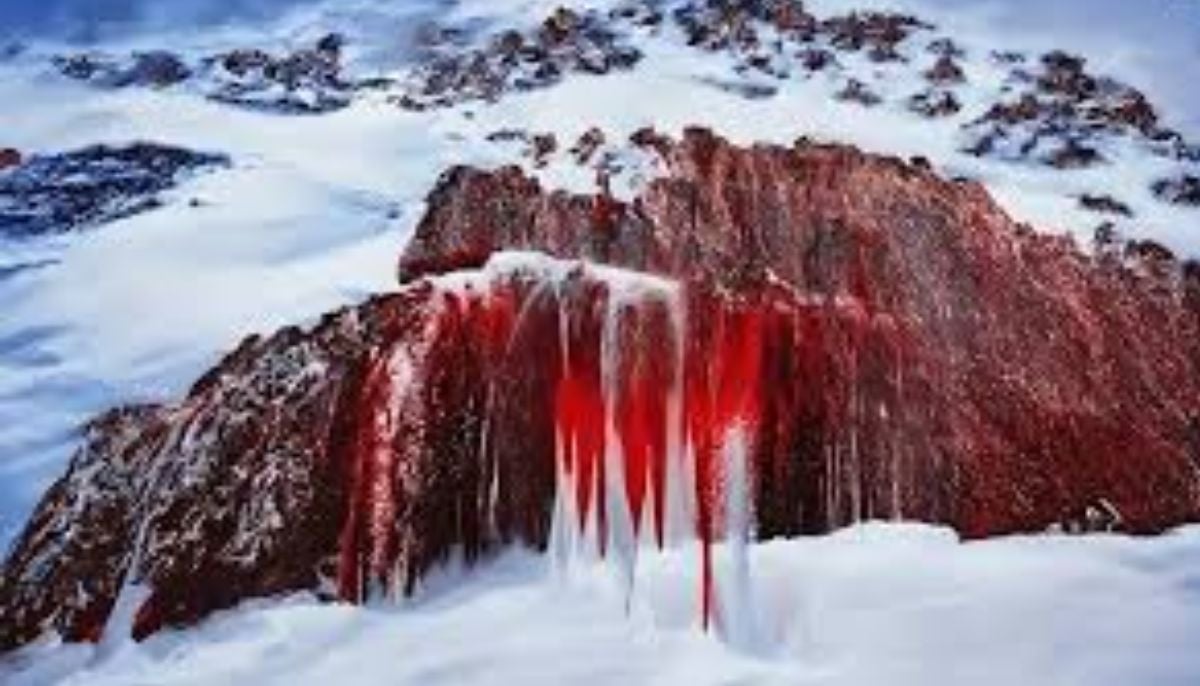
A bright red waterfall bursting from beneath the Taylor Glacier in East Antarctica lies right in the middle of one of the coldest regions on Earth. Blood falls is among the most mysterious natural phenomena in Antarctica. The study was conducted by National Geographic Explorer Erin C. Pitt, and her team who investigated the process by which the Blood Falls emerged.
However, this site remained a geological mystery for over a century until it was finally cracked. It is located in the Antarctic Dry Valleys, and is one of the driest and coldest landscapes on Earth. When the iron-brine reaches the surface and comes into contact with oxygen, the iron oxidizes. The water turns a rusty red , giving Blood falls its signature blood-like appearance.
The measurements demonstrated that the closer the water gets to the waterfall, the higher concentration of iron-rich brine becomes. This highlights the intriguing relationship between water temperature and salt content. The Taylor Glacier is considered the coldest known glacier on Earth in which water flows permanently-a dynamic combination of ice, salt, iron, and heat hidden beneath a seemingly lifeless ice desert.
The enchanting view hidden in a bloody fissure in the ice captures just how complex and dynamic nature can be even in the most extreme regions of our planet.






-
 Astronomers find universe's faintest planet after 11 years of hide-and-seek
 -
 Scientists discover new ‘unusual-looking’ monkey species hidden in DR Congo forest
 -
 Sugar in space? Astronomers make a groundbreaking interstellar discovery
 -
 Ancient DNA breakthrough solves 4,000-year mystery of Wiltshire’s Upton Lovell ‘Shaman’
 -
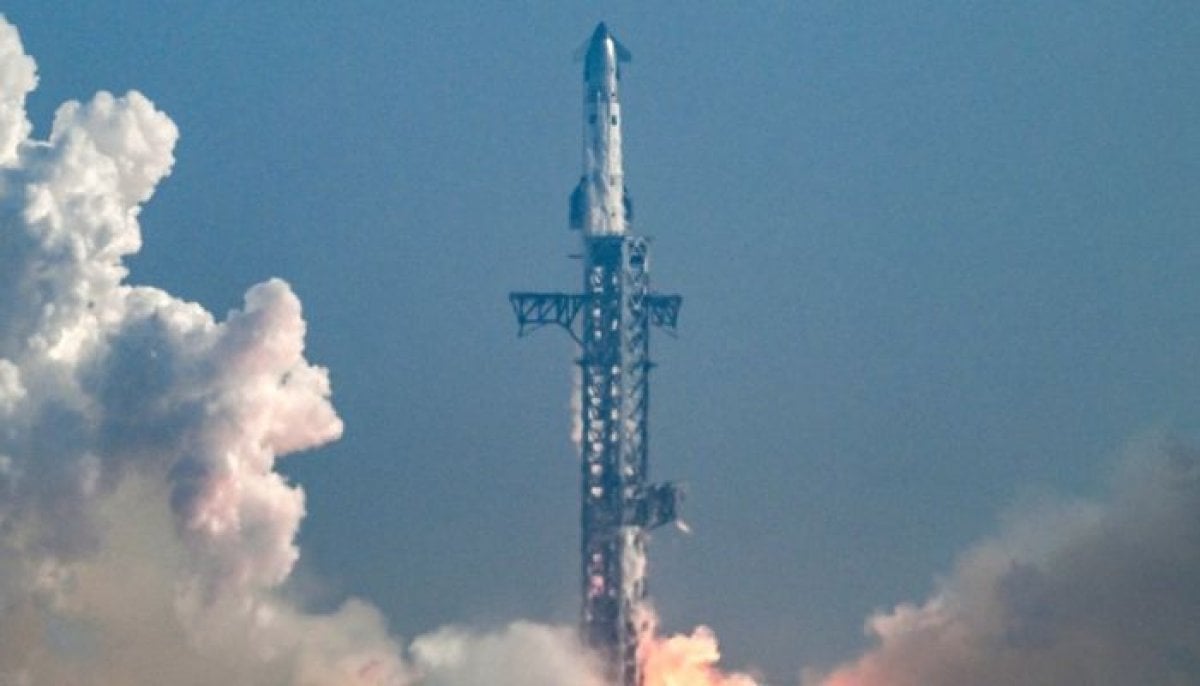 SpaceX gets green light for Starship’s next test flight following mishap probe
 -
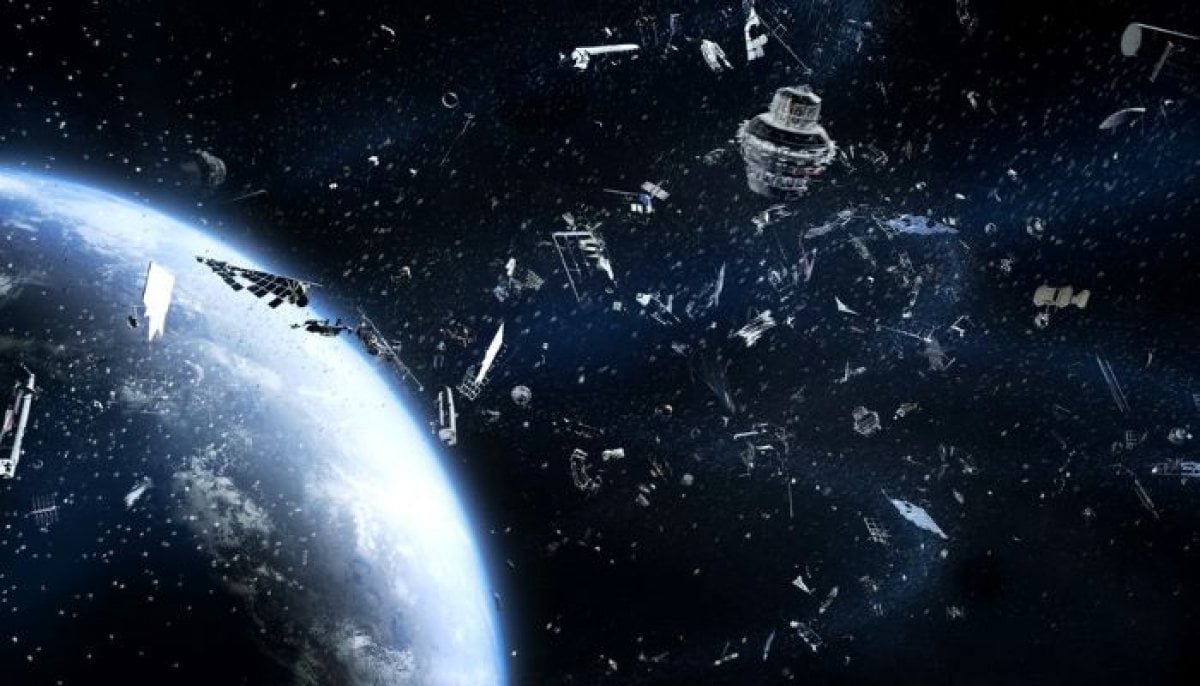 Tiny 2-inch space debris discovered in key satellite orbit, scientists warn
 -
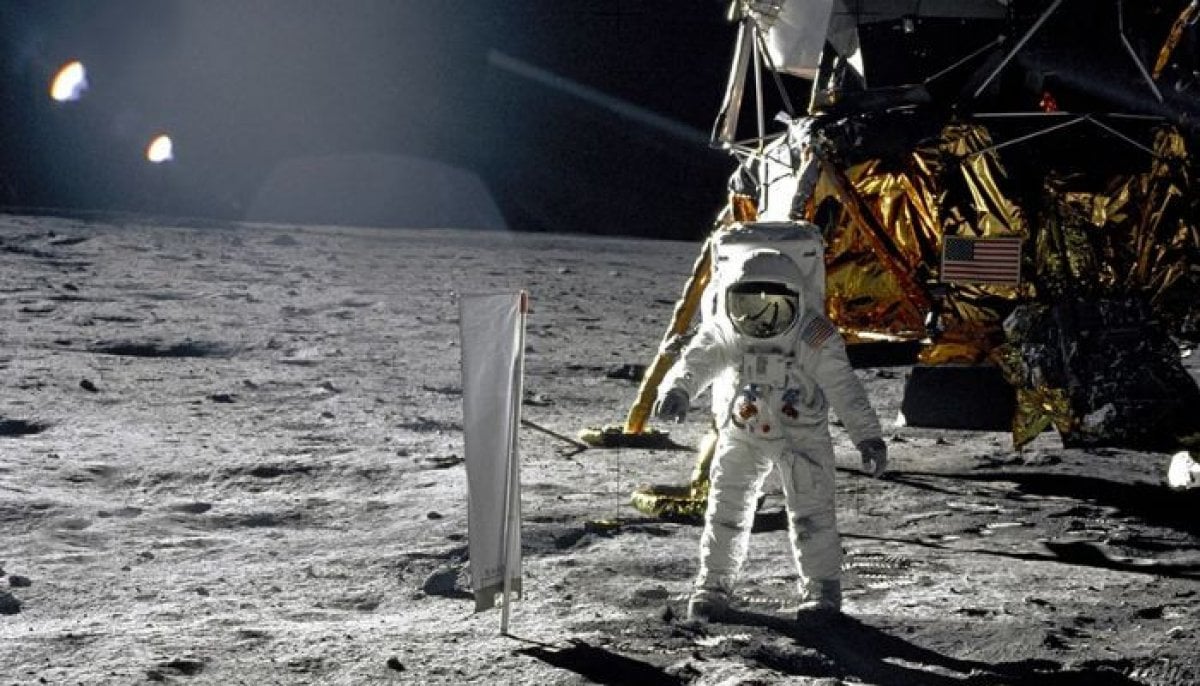 Could future moon landings cost humanity Earth's greatest secret? Scientists think so
 -
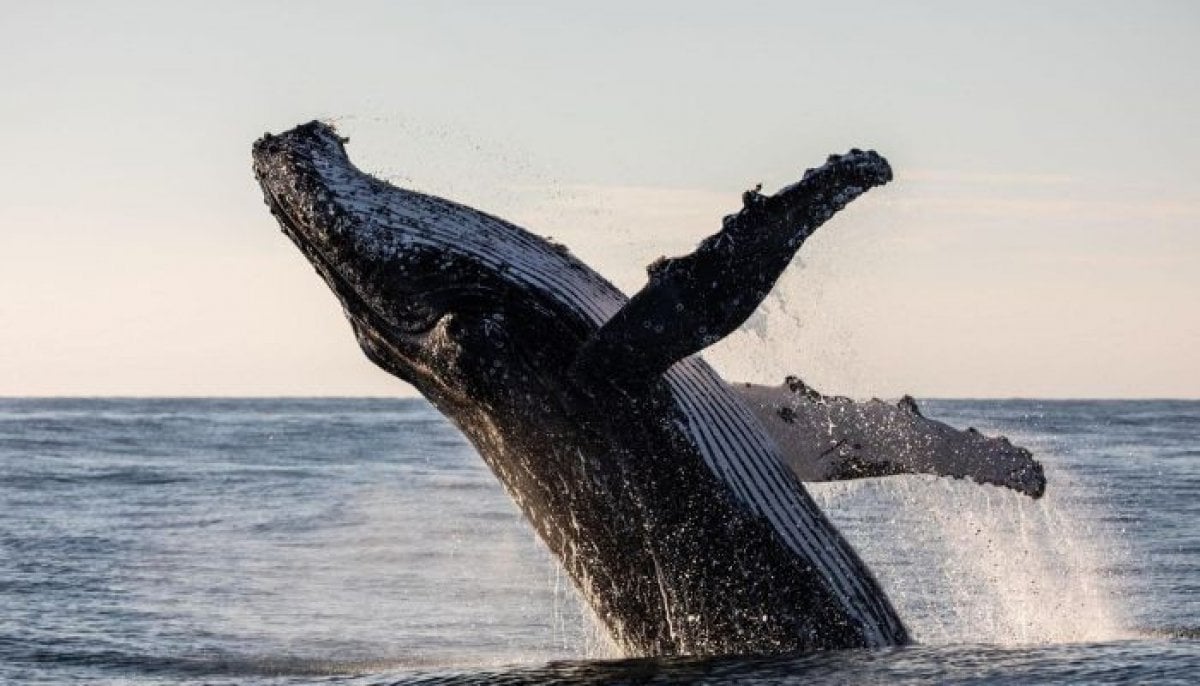 What happens when a whale dies? Scientists explains surprising process
-
 China's Long March-10B rocket recovery shakes up space race
 -
NASA is hiring volunteers for year-long Mars mission simulation: Here's how to apply
-
Mount Etna may have different origin as study reveal new facts about its formation
-
What did NASA capture? Chief says mysterious UFO images remain unexplained