
Karachi crime
The city is a major financial hub and has the potential to attract foreign investment. But its security situation has kept the city away from many opportunities
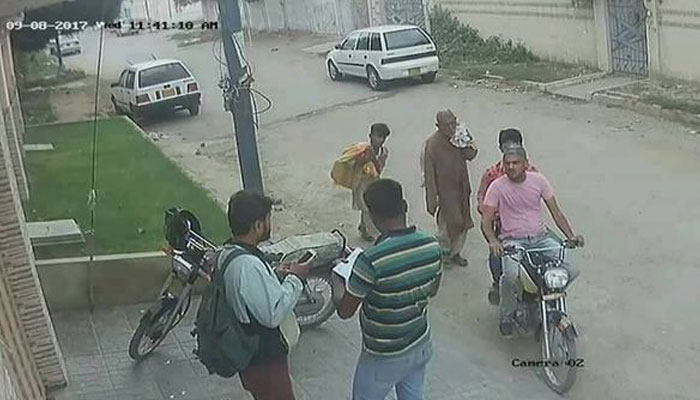
That Karachi is a hot spot for street crime is no secret. The unsupervised disintegration of militant wings of several political parties whose workers were left with no direction, the presence of mafia gangs in different parts of the city, and the government’s indifference to the possession of firearms have over the years created a situation where no place in Karachi is safe.
Posh residential societies, secluded from the rest of the city, have also reported several instances of street crime, highlighting the obvious: crime in Karachi is the biggest challenge in the city. Previously, snatchers would spare people their lives and be more interested in getting valuables. Now, the frustration among armed robbers is also high. If any person resists a robbery attempt, the criminals pull the trigger. So far in 2024, at least 26 people in Karachi have lost their lives in different snatching/robbery incidents; an average of 13 people per month. For comparison, between September and December 2023, the average number of murders during a robbery, per data released by the Sindh Police, was eight.
The outgoing caretaker chief minister of Sindh, Justice (r) Baqar, has an interesting take regarding this. According to data presented by him, Karachi witnessed a 4.19 per cent decline in street crime during the caretaker tenure. He says that steps like revamping the 15 Madadgar police helpline service, initiating the Sindh Safe City Project, and addressing issues afflicting police investigations contributed to this improvement. But these short gains, though important, will not lead to the desired results of making Karachi a safe space for all residents.
The city is a major financial hub and has the potential to attract foreign investment. But its security situation has kept the city away from many opportunities. Whenever some mega event is supposed to be held in the city, the authorities have to impose strict restrictions on the movement of the city’s residents, which ultimately creates frustration among people who prefer not to have any national or international events in the city. These things cannot go on any longer. The city’s residents are tired of living in survival mode. At home, they don’t have basic facilities like electricity and gas. And when they go out in search of some respite, they are constantly at risk of getting robbed or losing their lives in case they resist. The city that was once called the city of lights is now drowned in darkness and unable to reclaim its lost glory. The unsafe streets of Karachi still wait for much-needed reforms and a zero-tolerance policy by law-enforcement agencies to transform the city into a thriving metropolis of the country.







-
 Prince William, Kate Middleton Camp Reacts To Meghan's Friend Remarks On Harry 'secret Olive Branch'
 -
 Daniel Radcliffe Opens Up About 'The Wizard Of Oz' Offer
 -
 Channing Tatum Reacts To UK's Action Against Andrew Mountbatten-Windsor
 -
 Brooke Candy Announces Divorce From Kyle England After Seven Years Of Marriage
 -
 Piers Morgan Makes Meaningful Plea To King Charles After Andrew Arrest
 -
 Sir Elton John Details Struggle With Loss Of Vision: 'I Can't See'
 -
 Epstein Estate To Pay $35M To Victims In Major Class Action Settlement
 -
 Virginia Giuffre’s Brother Speaks Directly To King Charles In An Emotional Message About Andrew
 -
 Reddit Tests AI-powered Shopping Results In Search
 -
 Winter Olympics 2026: Everything To Know About The USA Vs Slovakia Men’s Hockey Game Today
 -
 'Euphoria' Star Eric Made Deliberate Decision To Go Public With His ALS Diagnosis: 'Life Isn't About Me Anymore'
 -
 Toy Story 5 Trailer Out: Woody And Buzz Faces Digital Age
 -
 Andrew’s Predicament Grows As Royal Lodge Lands In The Middle Of The Epstein Investigation
 -
 Rebecca Gayheart Unveils What Actually Happened When Ex-husband Eric Dane Called Her To Reveal His ALS Diagnosis
 -
 What We Know About Chris Cornell's Final Hours
 -
 Scientists Uncover Surprising Link Between 2.7 Million-year-old Climate Tipping Point & Human Evolution