
India’s food security problem is also world’s
Fixing the problem is becoming more urgent, both for India and the world.
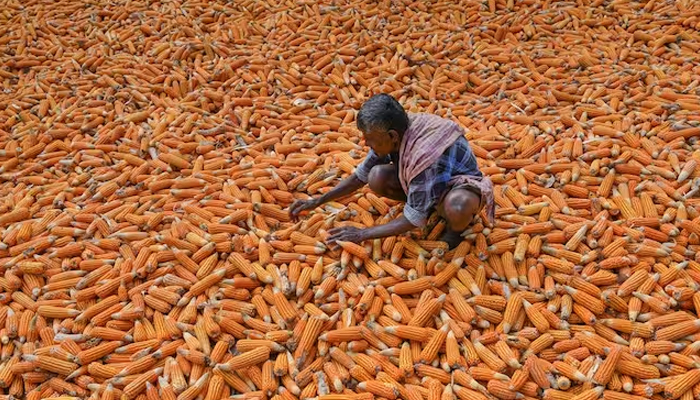
NEW DELHI: Climate change is already beginning to reshape global agriculture. India, the world’s most populous country, looks particularly vulnerable: not just because of extreme weather, but because of government price controls, foreign media reported.
Fixing the problem is becoming more urgent, both for India and the world —because India is a big food exporter, too. But politics makes that very difficult.
In early December, India banned overseas shipments of onions until March in an effort to tame domestic prices. That is on top of export restrictions on rice, wheat and sugar already imposed over the past 18 months. And since India is the world’s largest rice exporter, second-largest sugar and onion exporter, and a significant wheat producer, the bans are wreaking havoc globally. Thai rice prices had risen 14% and Vietnam rice prices had risen 22% from July levels by October, according to the International Food Policy Research Institute. Malaysia and the Philippines introduced their own measures to damp rising prices after India’s curbs on rice exports in July.
Climate change will almost certainly pose a major problem for India’s food supply. India’s Ministry of Agriculture and Farmers Welfare recently estimated that, in the absence of adaptation measures, rain-fed rice yields could fall 20% by 2050. But domestic agricultural policies are almost as big a problem.
The government’s own investigations have found that Agriculture Produce Marketing Committee laws, which regulate the trade of farmers’ produce by providing licenses to buyers, commission agents and private markets, lead to cartelization and reduced competition.
According to a recent report by the Organization for Economic Cooperation and Development, net regulatory costs for agricultural producers in India were equal to a full 15% of gross farm receipts from 2020 to 2022. The study stated that domestic producers have been implicitly taxed on average: Budgetary payments to farmers didn’t offset the price-depressing effect of complex domestic marketing regulations and trade policy measures. India’s creaky agriculture infrastructure also needs work. According to the U.S. International Trade Administration, poor infrastructure in India is responsible for post-harvest losses of up to 40% for certain products. Unfortunately, reforming the food-pricing system is politically perilous. Previous attempts to change domestic agricultural marketing regulations have been met with stiff resistance from farmers and political opponents, and coming general elections make any immediate relief unlikely.
India is the ninth-largest exporter of agricultural products in the world, according to the United Nations. It also has the most mouths to feed. That makes food security there a global issue—but the tangled politics of agricultural pricing in India mean that change could be slow.







-
 Garrett Morris Raves About His '2 Broke Girls' Co-star Jennifer Coolidge
 -
 Winter Olympics 2026: When & Where To Watch The Iconic Ice Dance ?
 -
 Melissa Joan Hart Reflects On Social Challenges As A Child Actor
 -
 'Gossip Girl' Star Reveals Why She'll Never Return To Acting
 -
 Chicago Child, 8, Dead After 'months Of Abuse, Starvation', Two Arrested
 -
 Travis Kelce's True Feelings About Taylor Swift's Pal Ryan Reynolds Revealed
 -
 Michael Keaton Recalls Working With Catherine O'Hara In 'Beetlejuice'
 -
 King Charles, Princess Anne, Prince Edward Still Shield Andrew From Police
 -
 Anthropic Targets OpenAI Ads With New Claude Homepage Messaging
 -
 US Set To Block Chinese Software From Smart And Connected Cars
 -
 Carmen Electra Says THIS Taught Her Romance
 -
 Leonardo DiCaprio's Co-star Reflects On His Viral Moment At Golden Globes
 -
 SpaceX Pivots From Mars Plans To Prioritize 2027 Moon Landing
 -
 King Charles Still Cares About Meghan Markle
 -
 J. Cole Brings Back Old-school CD Sales For 'The Fall-Off' Release
 -
 GTA 6 Built By Hand, Street By Street, Rockstar Confirms Ahead Of Launch