
‘25pc school-going rural areas children suffer from mental health issues’
ISLAMABAD: Based on a successful trial conducted by a Pakistani research institute in rural areas of Rawalpindi, World Health Organization (WHO) and UNICEF have globally disseminated for implementation a newly-developed psychological intervention to help school going kids of 10-15 years age in coping with psychological distress, mental health experts said on Monday.
“The trial for the psychological intervention - Early Adolescent Skills for Emotions (EASE) - was simultaneously conducted in two countries, including Pakistan and Jordan.
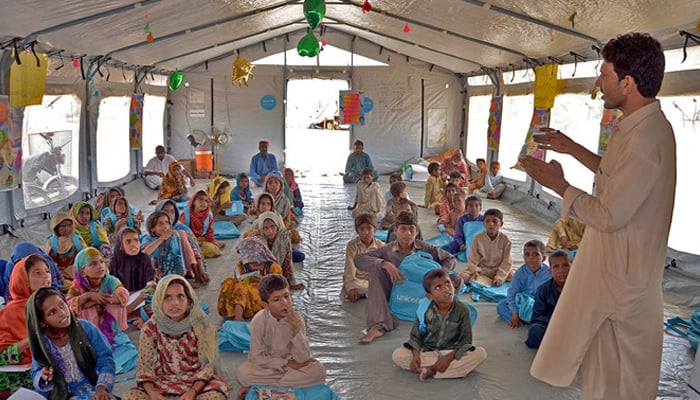
Global Institute of Human Development, Shifa Tameer-e-Millat University (GIHD-STMU) conducted the trial in rural areas of Rawalpindi and based on its successful results, WHO last month released the psychological intervention globally for dissemination and implementation in rest of the world”, Dr. Usman Hamdani, founder of GIHD who led the study in Pakistan said.
According to the cross-sectional epidemiological survey with all the adolescents aged 13–15 years, studying in 41 public schools of Kallar Syedan and Gujar Khan areas, around 25 percent school-going adolescents in rural areas of Pakistan are at the risk of developing mental health problems, which mostly go unseen and untreated but a newly developed psychological intervention by World Health Organization (WHO) is helping such adolescents to cope with psychological distress, experts said.
“EASE is designed to support adolescents aged 10-15 years old who experience distress and their caregivers. The intervention addresses a range of internalizing problems such as symptoms of depression, anxiety and stress, and can be delivered by non-specialists such as university graduates”, Dr. Hamdani said while quoting the WHO publication. He added that their trial would help millions of adolescents in coping with the mental health issues around the world.
According to WHO, Early Adolescent Skills Emotions includes seven group sessions for adolescents focused on building skills to cope with distress and three group sessions for their caregivers to promote supportive parenting and assist the adolescents in practicing the EASE skills.
“EASE skills are adapted from aspects of Cognitive Behavioural Therapy and include psycho-education, stress management, behavioural activation, and problem solving. It was culturally and contextually adapted and field-tested in four countries including Pakistan, Jordan, Lebanon, and Tanzania, which included two large randomized controlled trials in Jordan and Pakistan”, Dr, Hamdani informed.
Prof. Iqbal Khan said Pakistan was facing two epidemics including diabetes and mental health but termed the mental health as a more serious problem, claiming that over 60 million people including men, women and children were suffering from mental health issues.







-
 Prince Harry Warns Meghan Markle To 'step Back'
 -
 Selena Gomez Explains Why She Thought Lupus Was 'life-or-death'
 -
 New Zealand Flood Crisis: State Of Emergency Declared As North Island Braces For More Storms
 -
 Nancy Guthrie Case: Mystery Deepens As Unknown DNA Found At Property
 -
 James Van Der Beek's Brother Breaks Silence On Actor's Tragic Death
 -
 Megan Thee Stallion On New Romance With Klay Thompson: 'I'm Comfy'
 -
 Nicole Kidman Celebrates Galentine’s Day Months After Keith Urban Split
 -
 Justin Bieber Unveils Hailey Bieber As First Face Of SKYLRK In Intimate Campaign Debut
 -
 Caitlin O’Connor Says Fiance Joe Manganiello Has Changed Valentine’s Day For Her
 -
 Rachel Zoe Sends Out Message For Womne With Her Post-divorce Diamond Ring
 -
 James Van Der Beek's Final Conversation With Director Roger Avary Laid Bare: 'We Cried'
 -
 Jaden Smith Walks Out Of Interview After Kanye West Question At Film Premiere
 -
 Michelle Obama Gets Candid About Spontaneous Decision At Piercings Tattoo
 -
 Why Halle Berry Wasn't Ready For Marriage After Van Hunt Popped Question? Source
 -
 Bunnie Xo Shares Raw Confession After Year-long IVF Struggle
 -
 Brooks Nader Reveals Why She Quit Fillers After Years