
Antarctic ozone hole getting deeper in mid-spring: research
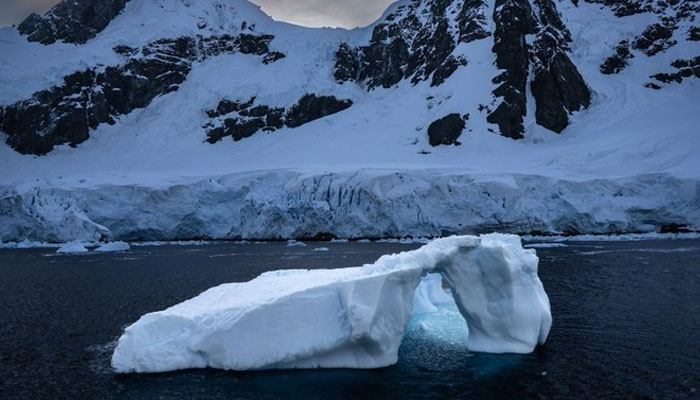
PARIS: The hole in the Antarctic ozone layer has been getting deeper in mid-spring over the last two decades, despite a global ban on chemicals that deplete Earth’s shield from deadly solar radiation, new research suggested Tuesday.
The ozone layer 11 to 40 kilometres (seven to 25 miles) above Earth’s surface filters out most of the Sun’s ultraviolet radiation, which can cause skin cancer and cataracts.
From the mid-1970s, chemicals called chlorofluorocarbons (CFCs) -- once widely used in aerosols and refrigerators -- were found to be reducing ozone levels, creating annual holes largely over the Antarctica region.
The 1987 Montreal Protocol, which banned CFCs in a bid to close the hole, is considered a success story for international environmental cooperation.
In January, a major UN-backed assessment found that the agreement was working. It projected the ozone layer should be restored to 1980 levels over the Antarctic by around 2066.
Smaller holes over the Arctic were projected to recover by 2045, and for the rest of the world in around two decades.
But despite the decline in CFCs, there has not yet been a significant reduction in the area covered by the Antarctic ozone hole, according to New Zealand researchers behind a new study in the journal Nature Communications.
And there has been less ozone at the centre of the hole over time, they added.
“Six of the last nine years have had really low ozone amounts and extremely large ozone holes,” study co-author Annika Seppala of New Zealand’s Otago University told AFP.
“What might be happening is something else is going on in the atmosphere now -- possibly because of climate change -- and that’s masking some of the recovery,” she said.
The ozone hole over Antarctica usually opens in September and lasts until November, taking in the Southern Hemisphere’s spring.
The researchers said the hole has been opening later in September, indicating a recovery possibly due to CFC reductions.
But in October, when the hole is often largest, the ozone level in the middle stratospheric layer shrunk by 26 percent from 2004 to 2022, said the study, citing satellite data.
The study’s lead author Hannah Kessenich emphasised that the Montreal Protocol and CFC reductions were still “on track”.







-
 Lee Andrews Mystery Takes Another Twist After Reported Phone Activity
 -
 'Industry' Season 4 Made HBO Heads Deeply 'uncomfortable', But Why?
 -
 Meghan Markle Issues Stark Warning To Prince Harry
 -
 Fake CAPTCHA Scam Installs Malware In Seconds: Here’s How To Stay Safe
 -
 'Blue Blood' Prince Harry Turns ‘wildly’ Different From Meghan Markle
 -
 Probe Against Andrew Mountbatten-Windsor Widens From Windsor To Buckingham Palace
 -
 Princess Beatrice Eyes £60K-a-year College For Stepson Wolfie: Details Inside
 -
 Ex Prince Andrew Managed Arms Deals For Mom? He Made Her A Lot Of Money’
 -
 Google's AI Bans Artists' Accounts With Zero Human Review
 -
 New Study Suggests Rapid Weight Loss May Be More Effective Than Gradual Dieting
 -
 'Never In Million Years': Dog Owner Looks Back At Beloved Pet Nearly Losing Life
 -
 Prince Harry, Meghan Markle Offer Peace To King Charles, William: 'Fresh Start'
 -
 Australia: Man Dies After Shark Attack In Queensland
 -
 King Charles Secretly Makes Things Clear: ‘Come To Me Man To Man I Won’t Take Meghan’s Orders’
 -
 'World Will Get Some Good News In Next Few Hours'
 -
 Queen Elizabeth Remained 'fiercely Loyal' To Andrew Even After Epstein Scandal