
S&P changes Pakistan’s outlook to negative
S&P Global Ratings cut Pakistan’s credit outlook to negative from neutral as the country’s external position weakens with higher commodity prices, the rupee’s depreciation and tighter global financial conditions
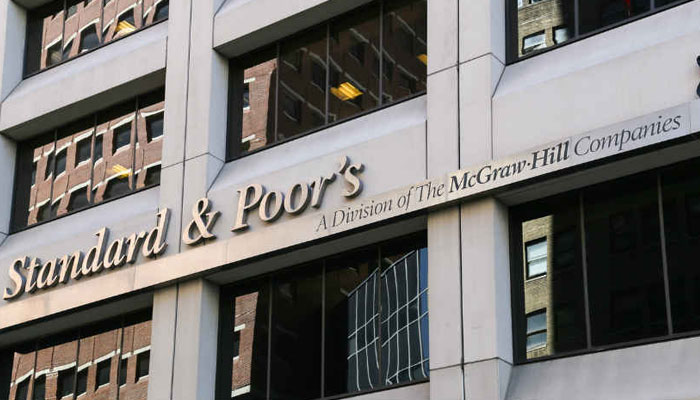
SINGAPORE: S&P Global Ratings cut Pakistan’s credit outlook to negative from neutral as the country’s external position weakens with higher commodity prices, the rupee’s depreciation and tighter global financial conditions.
Pakistan could be downgraded if support from bilateral and multilateral lenders quickly erodes or if usable foreign-exchange reserves fall further, S&P said in a statement on Thursday. The company also affirmed the nation’s rating at B-, on par with Ecuador and Angola, reported foreign media.
The Pakistani rupee has lost more than 30% of its value versus the dollar this year and the country’s dollar debt has reached record lows as it stares down to a $1 billion bond payment in December.
The nation is striving to stave off fears it will follow Sri Lanka into a default this year with the government working to secure billions of dollars from the International Monetary Fund and countries like China and Saudi Arabia.
“The Pakistan government has considerable external indebtedness and liquidity needs, and an elevated general government fiscal deficit and debt stock,” analysts including Andrew Wood wrote in the statement. “Although the impact of these more difficult macroeconomic conditions has been partially mitigated by various reform initiatives undertaken by the government over the past few years, the risk of continued deterioration in key metrics, including external liquidity, is rising.”
Moody’s Investors Service and Fitch Ratings already have a negative outlook on the country. The three companies rate Pakistan deep into junk. On the list of unfortunate economies that markets think might soon follow Sri Lanka into debt default and economic crisis, Pakistan sits near the top. It relies heavily on imported food and energy. As commodity prices have soared, its current-account balance has widened and hard currency has drained away. In the past year, Pakistan’s foreign-exchange reserves have shrunk by more than half, to just over $9bn, about six weeks’ worth of imports. Its currency has lost its value at great extend against the dollar in 2022. Many reckon that a crisis is inevitable, Bloomberg reported.
Not Murtaza Syed. A former employee of the International Monetary Fund (IMF) now serving as acting head of Pakistan’s central bank, Syed believes the country is well equipped to survive its current troubles. It is thanks only to lazy markets’ unwillingness to take a nuanced view of individual countries’ circumstances that Pakistan finds itself lumped in with other, more endangered economies.


