
Global warming: 60pc fish species may not survive with 5oC rise in temperature
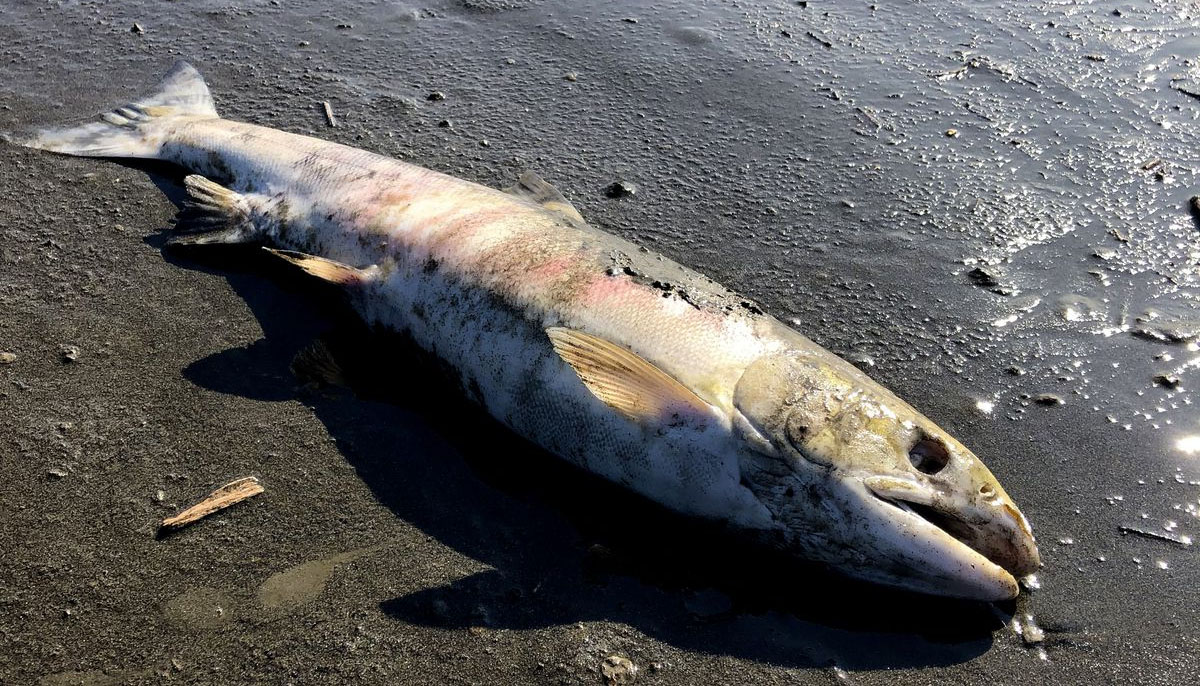
BERLIN: Fish are at a far greater risk from climate change than previously thought, as researchers have shown that embryos and spawning adults are more susceptible to warming oceans.
In a worst-case scenario of 5°C of global warming, up to 60 per cent of fish species around the world would be unable to cope with temperatures in their geographical range by 2100, when different stages of their lives are taken into consideration. Even if humanity meets theParis deal’s tough goal of holding warming to 1.5°C, it would be too hot for 10 per cent of fish.
Previously, we thought that just 5 per cent of fish species would struggle to cope with 5°C of global warming, but that was based on analysis of adult fish alone. “We can say 1.5°C is not paradise, there will be changes. But we can limit those changes if we manage to stop climate change. Fish are so important for human nutrition, so this study makes a strong case for protecting our ecosystems and natural environments,” says Hans-Otto Pörtner at the Alfred Wegener Institute in Bremerhaven, Germany, part of the team behind the research. The researchers analysed existing scientific literature on the heat tolerance of 694 species of freshwater and marine fish species.
Previous analysis has focused very little on life stages, but the team took into account differences between spawning and non-spawning adults, larvae and embryos. Spawners and embryos were found to cope with a much smaller gap between minimum and maximum temperatures, on average 7.2°C and 8.4°C respectively, than the 27.5°C range for adults.
“This is casting light on a life phase that has been largely ignored,” says Pörtner. The greater vulnerability for embryos and reproductive adults is a “major cause for concern”, said Jennifer Sunday at McGill University in Montreal, Canada, who wasn’t involved the study, in a commentary in the journal Science. The main reason why embryos and spawners are less tolerant of warming oceans is down to their greater oxygen needs. Oxygen is more soluble in colder waters and less so in warmer ones. Unfortunately, seas are expected to warm too quickly for evolutionary adaptation. While fish can move to cooler regions, appropriate new spawning sites aren’t always available. “It is worth making an effort to go for as little climate change as possible,” says Pörtner.


