
Pakistan’s response to coronavirus among world’s best, says WHO
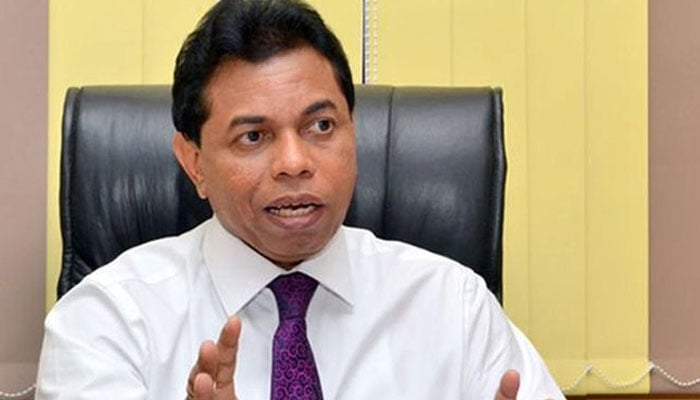
The World Health Organisation’s (WHO) country representative in Pakistan, Dr Palitha Gunarathna Mahipala, said on Friday Pakistan had come up with the one of world’s best “national response programmes’ against COVID-19 pandemic and urged the people to follow the precautionary and preventive measures to avoid contracting the virus, which is extremely contagious but not as lethal as some other members of the coronavirus family.
“Pakistan has timely come up with one of the world’s best National Response Programmes against COVID-19 and it is being implemented very effectively. Authorities are doing their job and now it is the responsibility of the people to follow the instructions and take preventive and precautionary measures to avoid contracting the viral disease,” Dr Mahipala said while speaking exclusively to The News International during his visit to Karachi.
He inspected the isolation ward of the Jinnah Postgraduate Medical Centre (JPMC), and during his meeting with Executive Director JPMC Dr Seemin Jamali he expressed satisfaction over steps taken by the health institute for dealing with the suspected patients, and called for more testing facilities in the public sector in case the number of patients increased.
During his visit to the Dow University of Health Sciences’ (DUHS) Ojha Campus, he inspected the diagnostic lab of the health facility as well as their isolation facility, and termed them ‘world class diagnostic and treatment facility’.
Dr Mahipala also met provincial health minister Dr Azra Pechuho, inquired about the status of diagnostic kits and personal protective equipment (PPE) and offered WHO’s support in the provision of diagnostic kits for testing suspected COVID-19 patients in Sindh.
Talking to The News at WHO sub-office in Karachi, Dr Mahipala said the federal and provincial governments had arranged around 2,000 isolation beds in the country to keep the suspected patients of COVID-19 while extraordinary screening arrangements had been made at the points of entry by the authorities, which were quite helpful to keeping the virus away from the country to a large extent.
“At the moment, Pakistan has seven diagnostic labs which are capable of conducting 15,000 tests, but there is a need for more diagnostic facilities in case the number of suspected patients go up,” he said and added that authorities had even established a mobile diagnostic facility that had been dispatched to Taftan to test and diagnose suspected people coming from Iran.
Highlighting the severity of the COVID-19 pandemic, he said even countries with well-advanced health systems like South Korea and Italy had failed to contain COVID-19. He added that Pakistani authorities timely responded to the threat and took measures which resulted in keeping the virus at bay for a longer time when other counties were having its cases.
On the occasion, he urged the people to take precautionary measures to avoid contracting the viral disease, saying they should avoid visiting public gatherings, maintain hand hygiene by washing their hands with soap and water, following coughing and sneezing etiquettes, and remaining indoors in case of flu-like symptoms.
“Maintaining hand hygiene is the key to prevent oneself from contracting not only COVID-19, but also many other transmissible diseases. People should regularly wash their hands with soap and water at least for 20 seconds and use sanitizers when they can’t wash their hands,” he said, adding that adopting coughing etiquettes was also very important as it would prevent spreading the virus to others.
“And it is very important that people remain indoors for some days if they have flu-like symptoms. It would prevent other people from contracting the disease even if it is not COVID-19.”
To a query, he said that according to a study, 67 per cent of patients who tested positive with COVID-19 had cough with temperature and difficulty in breathing. He advised people to consult a doctor or visit hospital if they had these symptoms and they had come in contact with any such person who had tested positive for COVID-19 or who had come from abroad.
A day earlier, Dr Mahipala had visited the Jinnah International Airport Karachi and expressed satisfaction with the arrangements for the screening of patients coming from abroad.


