
The murder of Mashal Khan
The gruesome murder of Mashal Khan, a 23-year-old journalism student at the Abdul Wali Khan University in Mardan, is yet another example of how brutalised Pakistani society has become. Mashal and another student Abdullah were attacked on campus by a vigilante mob who accused them of blasphemy. Abdullah was able to escape – and is said to be in a critical condition – but Mashal was killed after being first thrown from the second floor, then brutally beaten and then shot by the mob. The university had apparently also issued an official circular the same day, naming – and suspending – Mashal and a few others for allegedly ‘blasphemous activities’. That Mashal was killed in a place of learning, where we should be developing open and caring minds, is not just tragic but frightening. The young man was an example of the best Pakistan has to offer. His social media postings show him as a progressive student who was deeply concerned about human rights and equality, and the intolerance in our society. It seems it is that fanatical intolerance which has now claimed his life. But, as painful as it is to say, it is not particularly surprising that this horrific act occurred. In the Pakistan of today, just an accusation of blasphemy – without any proof to back it up – can be tantamount to a death sentence. While the state has never carried out a death sentence for blasphemy, far too many have been killed by riled-up mobs who take the law into their own hands. And all too often, law-enforcement officials have turned a blind eye to the perpetrators – which is what happened in Mardan as well. So far 45 people have been arrested and cases registered against 20 but past history tells us that they will likely get off scot-free.
How have we stooped so low – though not for the first time – that we are ready to murder anyone just on the basis of rumours or hearsay? When all it takes is one misunderstanding for the illogic of the mob to prevail. Mashal, according to his grieving father, was a student and follower of Islam. But the atmosphere that has been created in the country is so toxic that few care about the truth. We have recently seen just how much space has been ceded to the intolerant. In this the political class, too, must share the blame. Immediate condemnations of Mashal’s murder were muted because politicians are usually too scared to forthrightly denounce such savagery. In recent weeks, politicians, judges and the media have instead gone the other way, raising the spectre of blasphemy inundating social media. By raising the prospect, all we are left with is a country full of suspicious mobs ready to lynch people. Mashal may have been killed by a riled-up vigilante mob but his death can be blamed on all those who continue to lead our society into an abyss of ignorance, violence and intolerance. Unfortunately, with the climate of fear and anger that has been created, Mashal may not be the last to pay with his life.







-
 Japan: PM Takaichi Flags China ‘Coercion,’ Pledges Defence Security Overhaul
 -
 Angorie Rice Spills The Beans On Major Details From Season 2 Of ' The Last Thing He Told Me'
 -
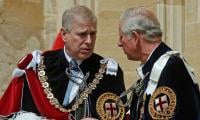 Questions Raised Over Andrew Mountbatten-Windsor's Line Of Succession
 -
 'Shameless' Sarah Ferguson 'pressuring' Princess Eugenie, Beatrice For Major Reason
 -
 Teacher Arrested After Confessing To Cocaine Use During Classes
 -
 Paul McCartney Talks 'very Emotional' Footage Of Late Wife Linda In New Doc
 -
 Princess Beatrice, Princess Eugenie's Response To Andrew's Arrest Revealed
 -
 King Charles And Princess Anne Bestow Honours At Windsor Castle
 -
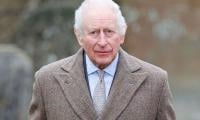 King Charles 'worried' As Buckingham Palace, Royal Family Facing 'biggest Crisis'
 -
 Milo Ventimiglia Recalls First Meeting With Arielle Kebbel On The Sets Of 'Gilmore Girls' Amid New Project
 -
 Eric Dane Infuriated After ALS Diagnosis As He Feared The Disease Would Take Him Away From His Girls
 -
 It's A Boy! Luke Combs, Wife Nicole Welcome Third Child
 -
 Leading Astrophysicist Shot Dead At Southern California Home
 -
 Johnny Depp's Kind Gesture Towards Late 'Grey's Anatomy' Actor Eric Dane Before Death Laid Bare
 -
 How Princess Eugenie, Beatrice React To Andrew Arrest?
 -
 Kylie Jenner 'convinced' Gwyneth Paltrow Is 'crushing' On Timothee Chalamet: 'It's Disrespectful'