
Nearly a third of women face partner or sexual violence: WHO
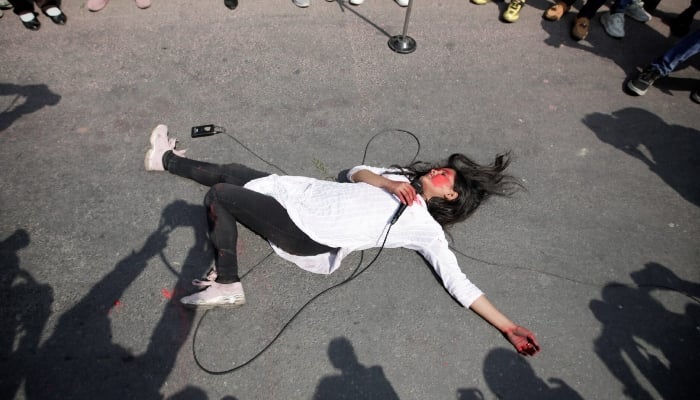
GENEVA: Nearly one in three women have experienced intimate partner or sexual violence, the World Health Organisation said on Wednesday, warning no society “can call itself fair, safe or healthy while half its population lives in fear”.
“Violence against women is one of humanity´s oldest and most pervasive injustices, yet still one of the least acted upon,” WHO chief Tedros Adhanom Ghebreyesus said in a statement.
In a fresh report, the UN health agency estimated that 840 million women globally -- nearly a third -- have experienced violence by an intimate partner, meaning someone they are in a romantic relationship with, or sexual violence in their lifetime.
In the past year alone, 316 million women -- 11 percent of those over the age of 15 -- faced physical or sexual violence by an intimate partner, the report showed.
Progress had been “painfully slow”, WHO said, pointing out that intimate partner violence had declined by only 0.2 percent annually over the past two decades.
LynnMarie Sardinha, with WHO´s department of sexual, reproductive, maternal, child and adolescent health and ageing, warned the number of reported cases might even begin to rise.
“Increased awareness will likely lead to more reports of violence,” she told reporters.
For the first time, the WHO report also includes national and regional estimates of sexual violence committed by someone other than an intimate partner.
It determined that a full 263 million women had experienced non-partner sexual violence since the age of 15, cautioning the problem was “significantly under- reported due to stigma and fear”.
Wednesday´s analysis covers data collected between 2000 and 2023 across 168 countries, “revealing a stark picture of a deeply neglected crisis”, WHO said.


