
Modi’s lie of normalcy
The manhandling of former Occupied Kashmir chief minister Omar Abdullah by Indian forces on Kashmir Martyrs’ Day is just the latest episode to lay bare the stark truth that India’s...
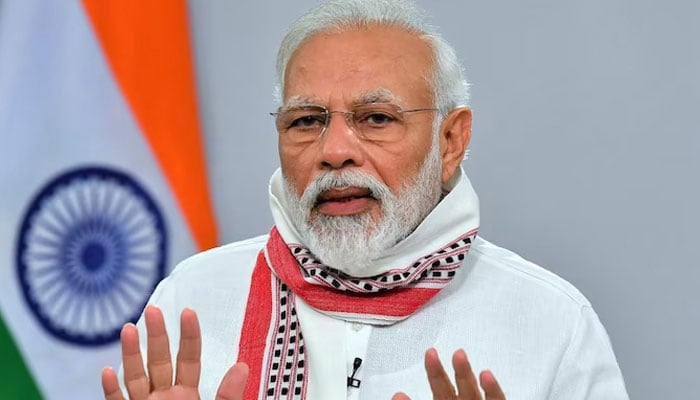
The manhandling of former Occupied Kashmir chief minister Omar Abdullah by Indian forces on Kashmir Martyrs’ Day is just the latest episode to lay bare the stark truth that India’s claims of ‘normalcy’ in Indian Illegally Occupied Jammu and Kashmir (IIOJK) are nothing more than a farce. That a sitting CM, who has often been conciliatory, even cooperative, towards the Modi government, could be physically prevented from visiting the Martyrs’ Graveyard in Srinagar should be condemned robustly and is a disturbing indicator of the continuing erasure of Kashmiri political agency. On Sunday, the police placed Abdullah and other political leaders, from both the ruling party and the opposition, under house arrest to stop them from commemorating those who lost their lives resisting Dogra rule in 1931. On Monday, when Abdullah attempted to defy this restriction, he was assaulted. Even India’s lapdog media, usually loyal to the government line, could not help but lead with headlines highlighting the shameful treatment.
Abdullah has obviously given a searing rebuke of the decision. For too long, Kashmiri politicians like him have tried to work within the confines of the Indian state, holding out hope that dialogue and engagement would secure the rights and dignity of their people. That illusion is now rapidly disintegrating. This is the Modi government’s true position: that Kashmiris are to be ruled, not represented. The timing of this suppression, coming just months after a significant electoral defeat for the BJP in the region’s first provincial polls in a decade, indicates a truth New Delhi refuses to accept: Kashmiris have not and will not take the loss of their autonomy or the indignities of occupation in silence. The BJP may have hoped that the 2019 revocation of Article 370 would crush Kashmiri resistance, but the election results proved otherwise. Despite overwhelming military presence, media censorship and systemic repression, the people of IIOJK voted overwhelmingly against the BJP and its proxies – a clear rejection of the Modi government’s claim that everything is ‘normal’ in Kashmir. And what followed? More house arrests, more silencing of voices, more brute force.
The world must wake up to this duplicity. India presents itself as the world’s largest democracy but continues to run Occupied Kashmir like a military colony. If this is the treatment reserved for a former chief minister, what hope is there for the ordinary Kashmiri citizen? The recent attack in Pahalgam has also exposed the hollow claims of peace and normalcy in the region. The Modi regime has tried to build an illusion of stability through brute silence, using state violence to cover up the unrest it has itself created. But incidents like these and the constant repression of dissenting political voices show that Kashmir remains a region in crisis. Abdullah’s warning – “Don’t blame us for what happens” – should not be taken lightly. The longer the Modi regime continues to enforce its will through force rather than dialogue, the more alienated Kashmiris will become. This is a situation that demands not just national introspection within India, but urgent international scrutiny. Global silence has enabled authoritarian regimes like Modi’s to normalise settler colonialism and militarised occupation, not unlike what Netanyahu is doing in Palestine. The parallels are obvious. It is time for the international community to demand accountability from the Indian government.







-
 Melania Trump Appears With Humanoid Robot At White House
 -
 ‘Addictive By Design’: Meta, YouTube Found Liable In Historic Verdict
 -
 Bruce Willis' Mom Marlene Makes Another Family Amid Son's Battle With Dementia
 -
 Roblox Safety Warning For Parents: Developer Says Kids Need 24/7 Monitoring
 -
 Chelsea Handler Explains Why She Dates Younger Men
 -
 Chappell Roan's Security Guard Takes 'full Responsibility' For His Interaction With Jorginho's Daughter?
 -
 Rosalía Cuts Concert Short Over Sudden Illness, Fans Shocked
 -
 'Buffy' Star Nicholas Brendon's Death Case Takes Massive Turn
 -
 FKA Twigs Takes Legal Stand Against Ex Shia LaBeouf
 -
 ‘Progressive’ Kate Middleton Snubs Outdated Royal Etiquette
 -
 Kylie Kelce Explains Why She Avoids Raising Kids With 'silver Spoon'
 -
 Meghan Markle Is Above Royal Family ‘empty Threats,’ Says Insider
 -
 Anne Hathaway Opens Up About 'defeated' Feeling As Working Mom
 -
 Shamed Andrew Should Testify In Epstein Case As ‘act Of Service’
 -
 What Really Happened Before Nicholas Brendon Was Found Dead At Home?
 -
 Sarah Ferguson Branded ‘most Famous Missing Person’ In UK Right Now