
Only four Pakistani medicines WHO prequalified
WHO prequalification plays critical role in global procurement of medicines
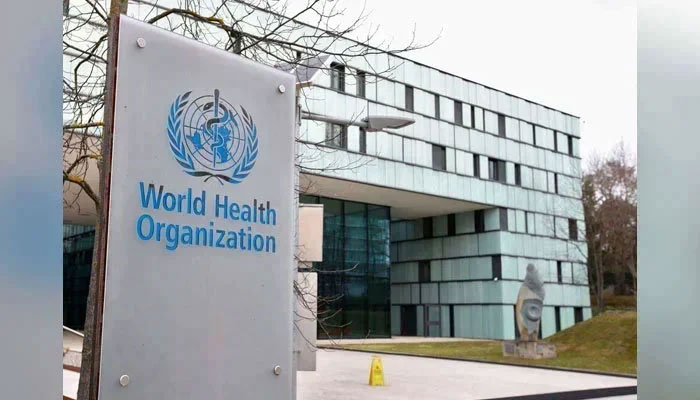
ISLAMABAD: Despite being one of the leading pharmaceutical manufacturing countries in the region, Pakistan currently has only four medicines or therapeutic products prequalified by the World Health Organization (WHO), a globally recognized stamp of quality, safety and efficacy.
Similarly, no Pakistani drug or therapeutic product has received approval from the US Food and Drug Administration (FDA) or any other Stringent Regulatory Authority (SRA) in the world to date, highlighting a critical gap in global regulatory recognition.
Officials and experts are now calling on the country’s pharmaceutical sector to overcome its hesitation and pursue WHO prequalification to ensure medicine quality, enhance credibility, and unlock international markets for exports.
WHO prequalification plays a critical role in the global procurement of medicines, especially by UN agencies such as UNICEF, UNAIDS, and the Global Fund. Without this recognition, locally produced medicines remain ineligible for international tenders, particularly for life-saving treatments such as antiretroviral therapies (ARVs) for HIV/AIDS and anti-tuberculosis (TB) medicines.
“Pakistani pharmaceutical companies are reluctant to go through the WHO prequalification process, mainly because of the cost and strict regulatory requirements,” a senior official at the DRAP admitted. “Local pharmaceutical companies fear they cannot compete with Indian and Chinese manufacturers who produce medicines more cost-effectively due to access to cheaper raw materials and larger economies of scale.”
However, the official emphasized that the prequalification process is indispensable for global recognition, particularly in the area of vaccines and biological products.
“Only WHO-prequalified vaccines are procured by international health agencies. Pakistani companies should collaborate with international vaccine and biological product manufacturers to start local production and apply for prequalification,” he added.
Highlighting the success stories, the official said PharmEvo has become the first Pakistani company to receive WHO prequalification for both zinc sulfate oral solution and zinc sulfate dispersible tablets, making Pakistan the first country globally to be prequalified for the oral solution and the fourth low- and middle-income country for the tablets.
Headquartered in Karachi, PharmEvo received technical assistance from PQM+ throughout the process, helping them accelerate the timeline and reduce costs. Remington Pharmaceuticals was the first nationally owned company from Pakistan to attain WHO prequalification for its anti-TB product Levofloxacin 250mg film-coated tablets.
Only two pharmaceutical concerns in Pakistan could secure WHO prequalification.
Despite these achievements, officials lament that only four WHO prequalified medicines or therapeutic products have emerged from Pakistan, which is significantly low for a country with over 700 pharmaceutical manufacturers.
The WHO’s Prequalification Programme includes a five-step process involving dossier submission, technical evaluation, inspection of manufacturing sites, and final approval based on Good Manufacturing Practice (GMP) standards. While it can be completed within three months when data is complete, the process often takes longer due to compliance gaps. At a recent high-level meeting involving DRAP, WHO, UNAIDS, the Ministry of National Health Services, and others, officials revealed that 124 of the 147 WHO-prequalified HIV/AIDS, TB, and malaria medicines are manufactured in India. In Pakistan, locally registered but non-prequalified drugs only meet 30% of the national treatment need.
WHO and UNAIDS have repeatedly urged Pakistan to initiate local production of HIV and TB medicines to reduce reliance on Indian imports amid strained trade ties. WHO has offered to help DRAP upgrade its regulatory capacity to reach Global Benchmarking Tool (GBT) Maturity Level 3, a prerequisite for global trust in regulatory systems.
UNAIDS Country Director Trouble Chikoko lauded government efforts and urged provinces to include ARVs and opioid treatments in their essential drug lists to enable direct and sustained procurement for vulnerable populations.
To support this transition, DRAP will soon issue a call for expressions of interest from local manufacturers for WHO prequalification of HIV, TB, and malaria medicines. WHO and partner agencies will also provide technical consultations and support to expedite the process and build industry confidence.






-
 Dwayne Johnson Confesses What Secretly Scares Him More Than Fame
 -
 Elizabeth Hurley's Son Damian Breaks Silence On Mom’s Romance With Billy Ray Cyrus
 -
 Shamed Andrew Should Be Happy ‘he Is Only In For Sharing Information’
 -
 Apple Sued Over 'child Sexual Abuse' Material Stored Or Shared On ICloud
 -
 Nancy Guthrie Kidnapped With 'blessings' Of Drug Cartels
 -
 Hailey Bieber Reveals Justin Bieber's Hit Song Baby Jack Is Already Singing
 -
 Emily Ratajkowski Appears To Confirm Romance With Dua Lipa's Ex Romain Gavras
 -
 Leighton Meester Breaks Silence On Viral Ariana Grande Interaction On Critics Choice Awards
 -
 Heavy Snowfall Disrupts Operations At Germany's Largest Airport
 -
 Andrew Mountbatten Windsor Released Hours After Police Arrest
 -
 Heidi Klum Eyes Spooky Season Anthem With Diplo After Being Dubbed 'Queen Of Halloween'
 -
 King Charles Is In ‘unchartered Waters’ As Andrew Takes Family Down
 -
 Why Prince Harry, Meghan 'immensely' Feel 'relieved' Amid Andrew's Arrest?
 -
 Jennifer Aniston’s Boyfriend Jim Curtis Hints At Tensions At Home, Reveals Rules To Survive Fights
 -
 Shamed Andrew ‘dismissive’ Act Towards Royal Butler Exposed
 -
 Hailey Bieber Shares How She Protects Her Mental Health While Facing Endless Criticism