
HIV cases double in a decade, only 16% getting treatment: economic survey
Economic Survey reveals that only 76,167 people living with HIV are currently registered for treatment in Pakistan
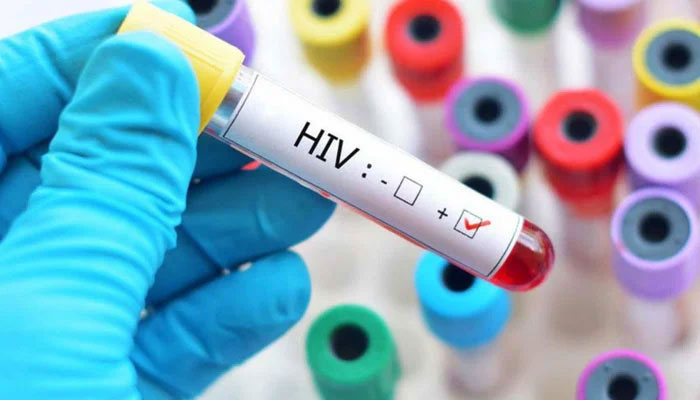
ISLAMABAD: The prevalence of HIV in the country has doubled over the past decade, increasing from 0.1 per cent in 2015 to 0.2 per cent in 2025, according to the Pakistan Economic Survey 2024–25, implying that an estimated 350,000 to 480,000 people are now living with the disease, a troubling surge from under 100,000 cases recorded in 2015.
The growing number highlights a persistent failure to contain the virus, despite multiple donor-funded initiatives and national programmes aimed at prevention and treatment.
The Economic Survey reveals that only 76,167 people living with HIV are currently registered for treatment in Pakistan, while only 53,635 are receiving treatment for the infectious disease. This suggests that over 400,000 individuals remain undiagnosed or are not receiving life-saving antiretroviral therapy (ART).
Experts warn that this wide gap in treatment coverage not only risks the lives of those infected but also increases the chances of continued transmission, especially among high-risk populations.
While the general prevalence remains relatively low, the proportional doubling of cases over a decade is significant. The virus remains concentrated among vulnerable and marginalised groups.
According to recent estimates from the Common Management Unit (CMU) and National AIDS Control Programme (NACP), HIV prevalence among injecting drug users exceeds 21 per cent in several urban centres.
Among men who have sex with men, the prevalence is estimated at around 5.4 per cent, while transgender individuals face rates close to 7.5 per cent. Female sex workers in various regions also exhibit prevalence rates between 2 and 4 per cent.
In fiscal year 2025, HIV prevention services have been expanded to 51 fixed and mobile service delivery sites nationwide. The CMU also launched regional language awareness campaigns through electronic and digital platforms to counter stigma and promote early testing and diagnosis.
However, despite these measures, Pakistan still lags behind international HIV control targets. ART coverage remains below 16 per cent, far short of the UNAIDS 95-95-95 targets, which call for 95 per cent of HIV-positive individuals to know their status, 95 per cent of those diagnosed to be on treatment, and 95 per cent of those treated to have suppressed viral loads.
The Economic Survey calls for more integrated and robust action. Although support from the Global Fund has ensured availability of many diagnostic kits, antiretroviral drugs, salaries for health staff, and service delivery gaps persist, particularly in rural and hard-to-reach areas.
A key challenge remains the lack of consistent viral load testing facilities, which are critical for monitoring treatment success. Additionally, medicine stockouts and procurement delays—at times exacerbated by tense trade relations with India—have disrupted access to essential HIV drugs in the past.
The government has been urged to integrate HIV response efforts within broader healthcare systems, including maternal and child health services, prison health programmes, and harm reduction schemes.
Activists and health experts are also pressing for increased domestic financing, policy reforms, and decriminalisation of vulnerable communities to create an enabling environment for effective HIV response. Without such systemic changes, the country risks falling further behind in its efforts to achieve Sustainable Development Goal 3, which aims to end the AIDS epidemic by 2030.
With an estimated 480,000 people now living with HIV, Pakistan stands at a crossroads. The choice is between stepping up its public health commitment or facing a deepening epidemic that threatens not only individual lives but the broader goal of national health security.







-
 Columbia University Sacks Staff Over Epstein Partner's ‘backdoor’ Admission
 -
 Ozzy Osbourne's Family Struggles Behind Closed Doors
 -
 Dua Lipa Claims Long-distance Relationship 'never Stops Being Hard'
 -
 BTS Moments Of Taylor Swift's 'Opalite' Music Video Unvieled: See Photos
 -
 Robin Windsor's Death: Kate Beckinsale Says It Was Preventable Tragedy
 -
 Rachel Zoe Shares Update On Her Divorce From Rodger Berman
 -
 Kim Kardashian Officially Takes Major Step In Romance With New Boyfriend Lewis Hamilton
 -
 YouTube Tests Limiting ‘All’ Notifications For Inactive Channel Subscribers
 -
 'Isolated And Humiliated' Andrew Sparks New Fears At Palace
 -
 Google Tests Refreshed Live Updates UI Ahead Of Android 17
 -
 Ohio Daycare Worker 'stole $150k In Payroll Scam', Nearly Bankrupting Nursery
 -
 Michelle Yeoh Gets Honest About 'struggle' Of Asian Representation In Hollywood
 -
 Slovak Fugitive Caught At Milano-Cortina Olympics To Watch Hockey
 -
 King Charles Receives Exciting News About Reunion With Archie, Lilibet
 -
 Nvidia Expands AI Infrastructure With Nevada Data Centre Lease
 -
 Royal Family Shares Princess Anne's Photos From Winter Olympics 2026