
Pakistan outpaces region in shift from fossil fuels: report
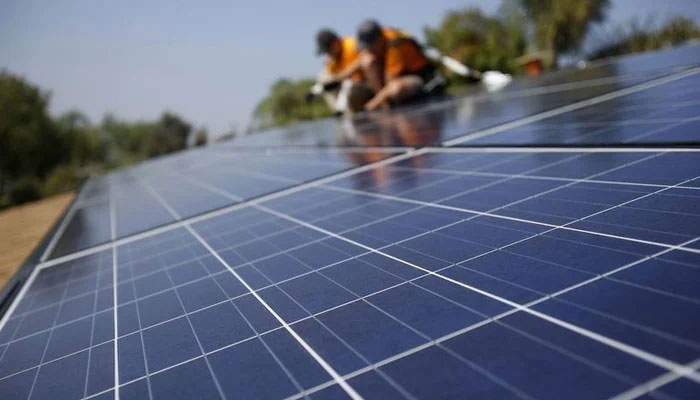
KARACHI: Pakistan is moving away from fossil fuels at a faster rate than many regional economies, with plans to generate 60 per cent of its energy from renewable sources by 2030 in order to meet emissions reduction targets.
According to global data compiled by the Energy Institute, a professional body for people in energy-related fields, the share of fossil fuels in Pakistan’s total energy consumption declined by 4.8 percentage points -- from 86.7 per cent in 2019 to 81.9 per cent in 2023. In contrast, low- and middle-income countries saw an average decline of just 0.8 percentage points over the same period, from 90.8 per cent to 90 per cent.
Recent figures from the National Electric Power Regulatory Authority (Nepra) show that clean energy sources -- including hydropower, nuclear and other renewables -- accounted for approximately 54 per cent of the country’s energy mix last month. The government’s shift away from furnace oil, the most expensive source of power, is also evident: in April, it made up just 1.0 per cent of the energy mix.
Despite ongoing macroeconomic challenges, the data suggests that Pakistan currently maintains a comparatively cleaner energy mix than many other Asian and low- and middle-income countries. For instance, neighbouring China and India generate around 61 per cent and 75 per cent of their electricity from coal, respectively. By contrast, Thar coal contributes only 13 per cent to Pakistan’s mix, playing a role in improving grid reliability and keeping costs down.
“The energy baseload of Pakistan should be anchored in indigenous sources from Thar, alongside renewables, to ensure affordability and reduce exposure to geopolitical shocks,” said Asif Arslan Soomro, an independent economic and investment analyst. “Developing economies such as Pakistan require a balanced transition to renewable energy. Fossil fuels remain essential for short- to medium-term energy stability.”
He added that striking a balance between environmental goals and economic stability is critical, warning that a sudden shift away from fossil fuels could disrupt growth and place additional strain on an already fragile economy. The energy transition, he noted, would require significant investment in the development and upgrade of infrastructure -- including hydropower plants and transmission systems -- and the phased retirement of fossil fuel-based power stations.
According to the Ministry of Climate Change, Pakistan will need more than $100 billion in investment to achieve a carbon-neutral energy sector, including $50 billion to meet its 60 per cent renewable energy target by 2030.
Soomro also pointed out that Pakistan has been ranked as the most vulnerable country to climate change in the Climate Risk Index (CRI) 2025 report, despite contributing less than 1.0 per cent to global greenhouse gas emissions. “Even though our climate footprint is minimal, Pakistan has committed to an unconditional reduction of 15 per cent in projected emissions by 2030,” he said. “We have also pledged a further 35 per cent reduction, conditional on the availability of adequate international financing.”







-
 Expert Exposes More About Prince Harry's Affair: 'He Is His Father's Son He'd Know What Its Like'
 -
 Meghan Markle's Close Friend Reacts As She Distances Herself From Royal Title
 -
 Jen Hamilton Reveals If She Plans To Change Last Name After Exposing Ex's 'double Life'
 -
 China Moves Closer To Build ‘Artificial Sun’ After Testing 582-ton Fusion Magnet
 -
 Prince William Secretly Blows Up: ‘It’s Absolutely Ridiculous To Try And Strong-arm Me’!
 -
 Japan Earthquake: 7.1 Magnitude Quake Hits Kyushu, Tsunami Alert Issued
 -
 Google Hit With New Legal Threat After Record $1 Billion EU Fine
 -
 Meghan Markle Lays Down The Law: ‘Won’t Squander This Opportunity Harry!’
 -
 What Katie Holmes' Daughter Really Thinks Of Her Mom's New Romance
 -
 Elizabeth Hurley Expresses Her True Feelings About Miley Cyrus: 'I Always Knew Who She Was'
 -
 Meghan Markle Pulls Something Diana’s Old Hat Against Cancer-stricken King Charles
 -
 Did Ines Garcia Hint At Pregnancy? Lamine Yamal's Girlfriend Faces Backlash Over TikTok Repost
 -
 Progressive Democrats Endorse Donavan McKinney Against Shri Thanedar
 -
 'Love Island' Crowns Winners After Final Twist
 -
 Andrew And Tristan Tate To Remain In Jail As UK Extradition Case Continues
 -
 Ariana Grande Takes Legal Action After Alleged Theft Of Private Files