
This is diplomacy
This is diplomacy in action – measured, methodical and message-driven
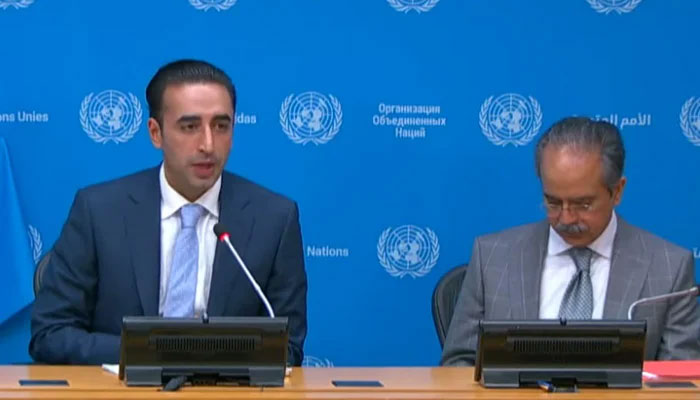
In an increasingly volatile South Asian landscape, Pakistan is presenting its case to the world with remarkable poise, clarity and diplomatic maturity. The recent high-level outreach by a Pakistani parliamentary delegation, led by PPP chairman and former foreign minister Bilawal Bhutto Zardari, is showcasing a cohesive foreign policy approach, grounded in international law, moral conviction and a deep understanding of the global order. During meetings at the United Nations Headquarters in New York, Bilawal articulated Pakistan’s grave concerns about India’s recent military provocations, including deliberate strikes on civilians, violations of the Indus Waters Treaty and premature, evidence-free accusations against Pakistan following the April 22 Pahalgam attack. Rather than responding with fire to fire, Pakistan even then chose to engage responsibly. And now it is choosing to reach out multilaterally – via the UN and key global stakeholders including the OIC and the US – reinforcing its commitment to peace and diplomacy.
This strategic outreach has not gone unnoticed. UN Secretary-General Antonio Guterres has acknowledged Pakistan’s desire for peace and reiterated the UN’s commitment to restraint and dialogue. The Pakistani delegation’s message was consistent and composed: India’s actions, particularly the unilateral suspension of the Indus Waters Treaty, represent dangerous steps towards a destabilising ‘new normal’ which can undo decades of regional stability and international legal commitments. On the other side stands India which is presenting a stark contrast to Pakistan’s transparency and restraint. The Modi government is facing heightened domestic scrutiny over Operation Sindoor. And, instead of addressing regional concerns through dialogue, India appears more invested in distraction politics – rushing to blame Pakistan for every incident without due process, while escalating rhetoric and aggression that only increase the risk of conflict between two nuclear-armed neighbours.
In sharp contrast, Pakistan is choosing multilateralism over militarism. By openly inviting a transparent investigation into the Pahalgam attack and emphasising its own long and painful history with terrorism, Pakistan has flipped the script, turning India’s usual talking points into an indictment of New Delhi’s own extremism and impunity. Bilawal’s strong condemnation of India’s weaponisation of water resources is especially significant. Water just cannot be used as a weapon in 21st-century geopolitics. That Pakistan is raising this issue diplomatically, rather than through retaliatory threats, is a testament to the country’s maturity on the international stage. Bilawal’s comparison of Modi to Netanyahu is not merely rhetorical but really a clear warning of how authoritarianism dressed as democracy can destabilise entire regions. It is also telling that Pakistan’s diplomatic campaign is not limited to the UN corridors. From engagements with the US envoy to outreach within the OIC and dialogues in Moscow and Turkiye, Islamabad is building a broad-based coalition of support. This is diplomacy in action – measured, methodical and message-driven. As seen by Bilawal Bhutto Zardari’s statements as well as Foreign Minister Dar’s outreach efforts, Pakistan’s message to the world is clear: we seek peace, but we will not be silent in the face of aggression. We reject the politicisation of terrorism. We will defend our sovereignty and dignity, but we will do so through legal means and multilateral engagement. In a region where one power is acting like a reckless hegemon, Pakistan is offering the world a different path and the contrast between the two neighbours could not be starker: one is mired in political toxicity and self-inflicted chaos, the other is taking its case to the world with credibility, coherence and composure.







-
 ChatGPT Caricature Prompts Are Going Viral. Here’s List You Must Try
 -
 James Pearce Jr. Arrested In Florida After Alleged Domestic Dispute, Falcons Respond
 -
 Cavaliers Vs Kings: James Harden Shines Late In Cleveland Debut Win
 -
 2026 Winter Olympics Snowboarding: Su Yiming Wins Bronze And Completes Medal Set
 -
 Trump Hosts Honduran President Nasry Asfura At Mar-a-Lago To Discuss Trade, Security
 -
 Cuba-Canada Travel Advisory Raises Concerns As Visitor Numbers Decline
 -
 Anthropic Buys 'Super Bowl' Ads To Slam OpenAI’s ChatGPT Ad Strategy
 -
 Prevent Cancer With These Simple Lifestyle Changes
 -
 Air Canada Flight Diverted St John's With 368 Passengers After Onboard Incident
 -
 Experts Reveal Keto Diet As Key To Treating Depression
 -
 Inter Miami Vs Barcelona SC Recap As Messi Shines With Goal And Assist
 -
 David Beckham Pays Tribute To Estranged Son Brooklyn Amid Ongoing Family Rift
 -
 Jailton Almeida Speaks Out After UFC Controversy And Short Notice Fight Booking
 -
 Extreme Cold Warning Issued As Blizzard Hits Southern Ontario Including Toronto
 -
 Lana Del Rey Announces New Single Co-written With Husband Jeremy Dufrene
 -
 Ukraine-Russia Talks Heat Up As Zelenskyy Warns Of US Pressure Before Elections