
Tobacco use killing 164,000 Pakistanis annually: PIMA
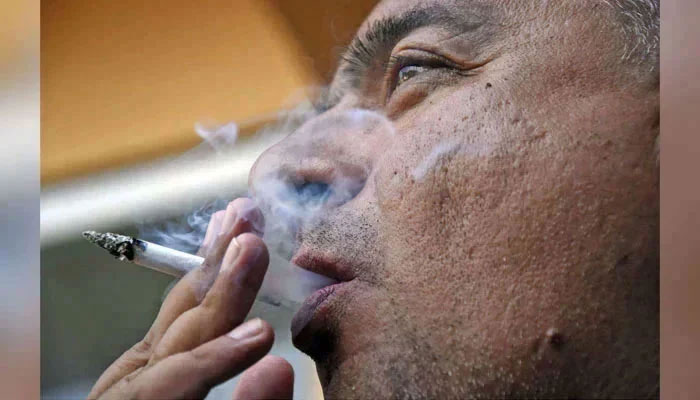
As Pakistan observes World No Tobacco Day 2025, the Pakistan Islamic Medical Association (PIMA) and leading health experts have urged the government to strictly enforce anti-tobacco laws, impose higher taxes on tobacco products, and closely regulate the growing use of emerging nicotine products to protect public health and save lives.
In a joint statement issued on Friday, PIMA President Prof Atif Hafeez Siddiqui, Prof Sohail Akhtar and Dr Ahmar Hamid warned that Pakistan is facing a public health emergency due to rising tobacco consumption and weak regulatory enforcement.
Citing World Health Organisation (WHO) figures, they noted that tobacco use claims nearly 164,000 lives annually in the country and results in an economic loss exceeding Rs700 billion.
"The growing burden of non-communicable diseases, including heart disease, cancer, and chronic lung conditions, is directly linked to tobacco use," Prof Siddiqui said. "Unfortunately, poor awareness and weak implementation of tobacco control laws are allowing the industry to thrive."
The experts emphasized that global evidence supports taxation as the most effective tool to curb tobacco use. They pointed to Pakistan’s own experience, where a hike in cigarette taxes in 2023 led to a 19.2% decline in tobacco use, and 26.3% of smokers reduced consumption. Simultaneously, the government’s revenue from the Federal Excise Duty (FED) on cigarettes rose by 66%, from Rs142 billion to Rs237 billion in just one year.
Beyond conventional tobacco products, PIMA voiced concern over the rising popularity and aggressive marketing of e-cigarettes, nicotine pouches, and heated tobacco products, especially among young people. “It is alarming that 68% of students using nicotine products are now engaged with e-cigarettes,” said Dr Ahmar Hamid, urging immediate regulatory action to halt the trend.
The health professionals called for using tobacco tax revenues to fund sustained public awareness campaigns in local languages. “These campaigns must target youth, parents, and educators, and must be tailored to cultural contexts,” said Prof Sohail Akhtar.
They also demanded that provincial governments establish smoking cessation clinics in all teaching hospitals to help individuals quit tobacco. “We need a structured support system that makes quitting easier and more accessible for the public,” they emphasized.
The experts maintained that without firm and immediate action—including legislative enforcement, taxation, and youth education—the country will continue to suffer the health and economic consequences of unchecked tobacco use.


