
Steel industry warns tariff cut could trigger shutdown, job losses
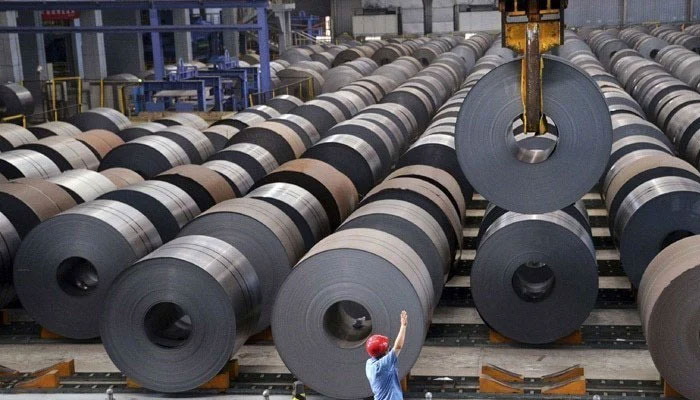
ISLAMABAD: The domestic steel industry warned the government on Tuesday that any reduction in tariffs on finished steel products under the guise of tariff rationalisation would risk the closure of local steel units, leading to massive job losses and a surge in imports.
In a pre-budget meeting with Finance Minister Muhammad Aurangzeb and his team, the Pakistan Association of Large Steel Producers (PALSP) said such a move would be especially damaging at a time when demand has plummeted due to a widespread slowdown in construction activity.
PALSP cautioned that the proposed tariff cut could lead to job losses, loss of government revenue, and a sharp rise in the import bill -- by as much as $1 billion. Any reduction in duties on finished or semi-finished steel products, such as bars or billets, would accelerate deindustrialisation and could lead to the permanent closure of steel units across the country, they warned.
Over 60 per cent of steel units have already shut down, and the remaining are operating at a fraction of their capacity, the association said. PALSP urged the government to defer the tariff rationalisation plan by at least one year or until the sector stabilises.
The association proposed that tariff rationalisation should be linked to improvements in the cost of doing business (CoDB) and to measures that enhance international competitiveness. They argued that, under current economic conditions, the local industry needs a 35 per cent tariff to level the playing field with imports, plus an additional 15 per cent protection due to underutilised capacity and high production costs.
In total, PALSP insisted, the level of protection on imports of steel bars should not fall below 50 per cent. Any reduction in duties would, they warned, open the floodgates to millions of tonnes of surplus steel produced abroad -- particularly from countries affected by ongoing global tariff wars.
Pakistan’s steel sector, which consumes approximately 4 billion kWh of electricity annually and contributes over Rs200 billion in taxes, would see its contributions fall sharply in the event of a downturn. This would, in turn, drive up capacity payments in the energy sector, exacerbating the circular debt crisis.
PALSP also highlighted that the domestic industry has invested in advanced technology from Italy, Germany, China and Turkey over the last 7 to 10 years, making local production highly cost-efficient. However, soaring electricity and gas prices -- along with high interest rates -- have undermined its competitiveness and export potential. With electricity accounting for around 65 per cent of production costs, the industry remains vulnerable to further increases in energy rates.
The finance minister acknowledged the concerns, noting both the burden of energy prices and the global context of tariff wars. PALSP further urged the government to maintain the current sales tax regime, including exemptions on local steel scrap supplies, in order to prevent the re-emergence of tax fraud through fake and flying invoices.
The meeting was attended by senior government officials and PALSP representatives, including Patron-in-Chief Abbas Akberali, Chairman Javaid Iqbal, Senator Nauman Wazir Khattak (Chairman, FF Steel), and Secretary General Wajid Bukhari.


